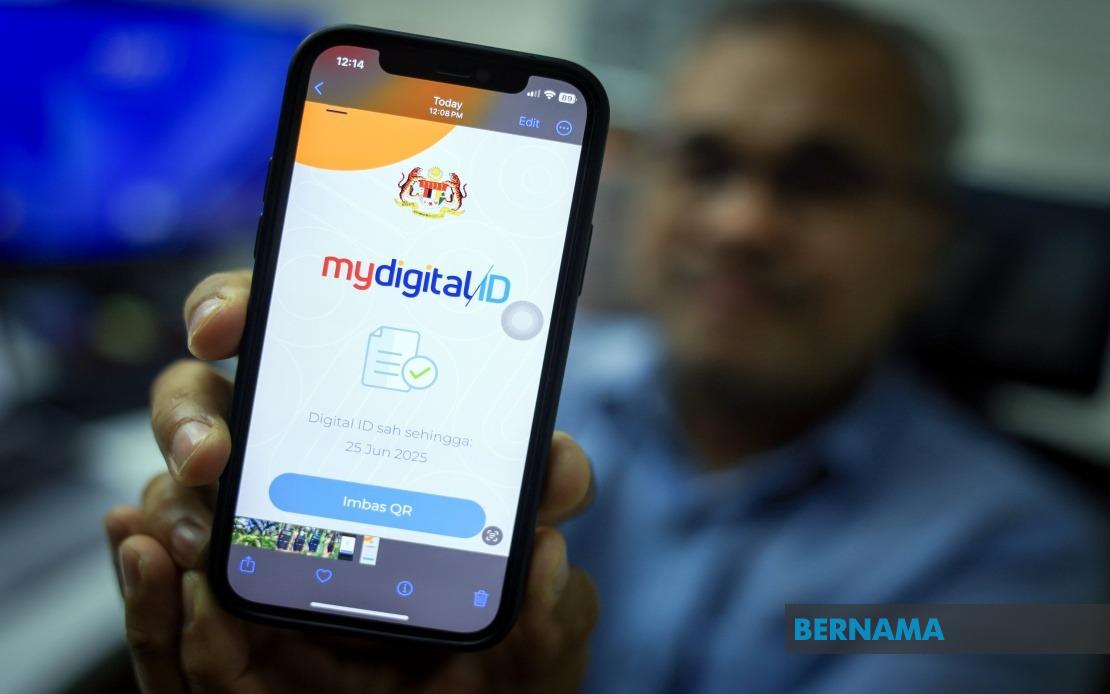
Malaysia has now surpassed 12 million registered users on its MyDigital ID platform as of June 30, marking a significant milestone in the country's digital government transformation journey. Deputy Prime Minister Datuk Seri Dr Ahmad Zahid Hamidi disclosed the figure in Parliament, noting that the ecosystem has processed 16 million transactions encompassing registrations, renewals, and cancellations of digital identities, signalling robust user engagement with the system.
The government's strategic pivot toward creating a unified digital identity infrastructure represents a fundamental shift in how Malaysians interact with public services. Rather than maintaining fragmented login systems across multiple platforms, the MyDigital ID initiative consolidates access through a single sign-on mechanism, theoretically reducing friction and streamlining citizen engagement with bureaucracy. This approach reflects a broader global trend where governments recognise that identity integration can drive efficiency and improve service delivery.
To accelerate adoption and standardise implementation, the Chief Secretary to the Government issued a directive on January 14, 2025, mandating all federal ministries, departments, statutory bodies, state secretaries, and local authorities to adopt MyDigital ID as their primary authentication gateway. This top-down approach removes discretion from individual agencies and establishes a compulsory framework for integration, reflecting the government's commitment to embedding the system throughout the public sector apparatus.
As of June 25, 2026, the integration initiative has expanded to encompass 114 online government services spanning critical areas that millions of Malaysians use regularly. The list includes MyJPJ for driving and vehicle-related transactions, MyPTPTN for student loan matters, SPA9 for civil service applications, and the Royal Malaysia Police MyBayar platform for traffic summons and administrative payments. This breadth of coverage demonstrates that the government is prioritising services with high transaction volumes and citizen touchpoints.
Beyond federal platforms, the integration extends to the MyGOV Malaysia portal developed by the National Digital Department, which now serves as a consolidated gateway allowing users to authenticate once and access multiple government services seamlessly. For Malaysian citizens and residents, this development potentially reduces the cognitive burden of remembering different usernames and passwords while improving security through centralised identity verification protocols.
Progress at the state government level indicates varying pace across Malaysia's federal structure. Nineteen state-level online applications have already integrated with MyDigital ID, while a further 28 applications remain under development. This mixed implementation picture suggests that while some states have moved swiftly, others face technical, administrative, or resource constraints that slow their adoption timeline. The disparity underscores the complexity of rolling out national digital infrastructure across a federal system with distinct technological capabilities and governance structures.
The 12 million registration figure, while substantial, also reveals adoption challenges. With Malaysia's population exceeding 33 million, the registration rate hovers around 36 percent, indicating that nearly two-thirds of the population has not yet activated a MyDigital ID. This gap raises questions about digital literacy barriers, awareness deficits, and whether the government has adequately communicated the platform's benefits to lower-income and less digitally-connected demographics.
For Malaysian businesses and service providers, the expansion of MyDigital ID integration carries significant implications. Private sector organisations offering complementary services could potentially gain interoperability benefits through eventual integration, similar to how Singapore's digital ecosystem operates. However, this possibility hinges on government policy decisions regarding the platform's openness and data-sharing protocols.
The trajectory toward near-universal government service integration on a single digital identity platform positions Malaysia competitively within Southeast Asia's digital governance landscape. Nations like Singapore and Thailand have pioneered comparable systems, and Malaysia's implementation could accelerate economic efficiency by reducing transactional friction and enabling data-driven government service improvements. However, success ultimately depends on sustained user adoption, robust cybersecurity infrastructure, and regular technology updates.
Challenges remain substantial. Digital divide concerns persist, particularly in rural areas where internet connectivity remains inconsistent and digital literacy among older populations lags. The government must balance its mandate push for integration with targeted outreach ensuring vulnerable populations can access services regardless of their digital comfort level. Offline alternatives and dedicated support channels may prove necessary to prevent anyone from being inadvertently excluded by the digital-first transition.
Looking forward, the 28 state-level applications under development suggest momentum will continue building through 2026 and beyond. Government officials have positioned MyDigital ID as foundational infrastructure for Malaysia's broader digital economy vision, potentially enabling future innovations in digital payments, healthcare access, and administrative services. The platform's architecture and governance model will substantially influence whether it becomes an enabler of seamless citizen experience or merely another bureaucratic login layer.

