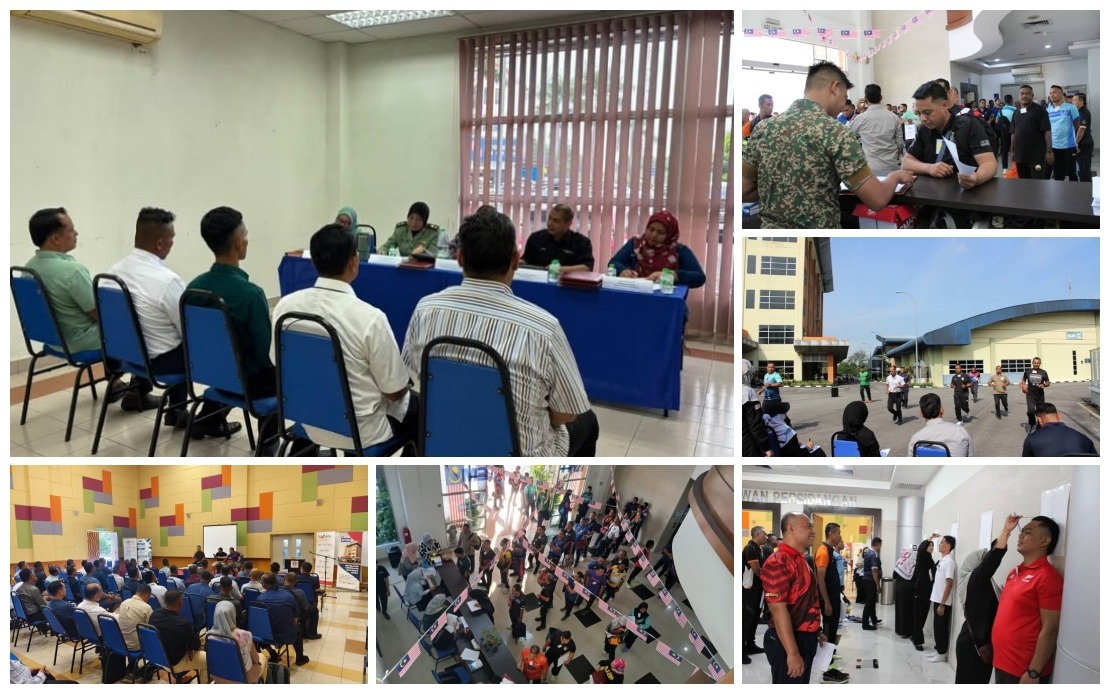
The MARA recruitment drive for Full-Time External Wardens at Malaysia's MARA Junior Science Colleges (MRSM) has moved into its final selection phase, with 147 former military candidates completing rigorous physical interviews at the MARA Food Technology Incubator in Kepong over two days last week. MARA Chairman Datuk Dr Asyraf Wajdi Dusuki announced the milestone through a social media update, highlighting the intensive nature of the vetting process for positions set to commence on July 1. The successful candidates will join the residential colleges as full-time wardens, taking on crucial pastoral responsibilities within Malaysia's premier science education institutions that serve thousands of students nationwide.
The selection mechanism deployed by MARA reflects a multi-layered approach designed to identify individuals with both the physical capability and personal character required for dormitory leadership roles. Candidates progressed through two separate phases of online screening before earning their place in the final interview cohort, meaning the 147 participants represent the cream of a substantially larger applicant pool. This preliminary filtering mechanism ensures that only those meeting baseline criteria advance to the resource-intensive in-person assessment, thereby optimising the efficiency of the overall recruitment timeline while maintaining stringent quality standards.
The physical interview session itself comprised three distinct evaluation components, each targeting different aspects of candidate suitability. Body Mass Index screening established whether applicants maintained physical fitness standards appropriate for the role, whilst the Bleep Test—a progressive aerobic fitness test—measured cardiovascular endurance and stamina. These physical assessments recognise that wardens operate in demanding residential environments requiring sustained energy and robust health to manage the round-the-clock responsibilities inherent in student welfare supervision. Complementing the fitness evaluations, face-to-face interviews allowed selection panels to assess communication skills, emotional intelligence, and alignment with MARA's institutional values and educational philosophy.
Datuk Dr Asyraf Wajdi's statement underscores the philosophical dimensions of the warden role, positioning it as far more than a disciplinary or security function. Wardens serve as secondary parental figures within the residential college ecosystem, providing guidance, mentorship, and emotional support to adolescents living away from home for extended periods. The emphasis on embodying MARA's education philosophy indicates that selected wardens must internalise and actively promote the institution's core values, effectively becoming ambassadors for MARA's approach to developing scientifically literate, morally grounded, and nationally conscious young citizens. This holistic conception of wardenship reflects evolving understanding of student development in residential institutions, where pastoral care significantly influences academic engagement and personal maturation.
The timing of the warden recruitment initiative carries particular significance given mounting concerns about student welfare in Malaysian educational institutions. Bullying, disciplinary infractions, and various social problems affecting adolescents have drawn increasing public attention and parental anxiety in recent years. By deliberately recruiting experienced military personnel—individuals accustomed to leadership hierarchies, crisis management, and duty-bound service—MARA appears to be addressing these challenges through strategic staffing decisions. Former military backgrounds theoretically equip wardens with established expertise in maintaining order, responding swiftly to emergencies, and applying fair but firm discipline within structured frameworks.
The recruitment of 147 male candidates represents only the first wave of a broader staffing expansion. Datuk Dr Asyraf Wajdi indicated that an additional 162 female former military candidates will undergo identical physical interview procedures in the following week, suggesting MARA's commitment to gender balance within its residential support staff. The parallel recruitment of female wardens acknowledges the reality that MRSM residential colleges house both male and female students, and that same-gender mentorship relationships can prove particularly valuable during formative years. The substantial number of female applicants—indeed exceeding the male cohort—demonstrates confidence within this demographic segment regarding career opportunities in educational administration.
From a broader Malaysian context, this initiative reflects government investment in the MRSM system as a cornerstone institution for developing future scientific and technological talent. MRSM colleges operate across multiple states and admit high-performing students based on competitive entrance examinations, positioning them as elite pathways for gifted youth. The quality and stability of residential college environments directly influence student academic outcomes, psychological wellbeing, and social development. By recruiting full-time external wardens rather than relying on part-time or ad-hoc arrangements, MARA signals serious commitment to professionalising residential college management and elevating standards across its institutional network.
The recruitment process itself demonstrates strategic thinking about workforce composition. Preferencing former military personnel suggests MARA values the discipline, hierarchy awareness, and service orientation that military backgrounds typically inculcate. Military service in Malaysia traditionally carries positive associations with patriotism, sacrifice, and national commitment—qualities MARA wishes to instil in students. Additionally, former military personnel often possess relevant certifications in first aid, emergency response, and conflict de-escalation, valuable competencies for residential college settings where duty rosters operate around-the-clock and crises can emerge without warning. This targeted recruitment strategy represents a deliberate attempt to match institutional needs with candidate skill sets and temperamental predispositions.
The July 1 commencement date provides MARA with a natural transition point aligned with Malaysia's academic calendar, allowing wardens to establish themselves and begin building relationships with students at the beginning of a new academic year. This timing optimises the opportunity for new staff to implement institutional protocols and set expectations before established student cohorts potentially develop competing loyalties or resistance to new leadership. The concentrated recruitment and rapid onboarding process suggests urgency within MARA's assessment of residential college leadership requirements, whether driven by retirements within existing warden ranks, expansion of residential capacity, or deliberate strategic decisions to strengthen student welfare infrastructure.
For Malaysian parents contemplating whether to enrol gifted children in MRSM programmes, news of expanded warden recruitment with rigorous selection standards should provide reassurance regarding student safety and support frameworks. The explicit articulation that wardens will combat bullying and social ills addresses widespread parental anxieties about boarding school environments, positioning MRSM as an institution actively working to maintain healthy residential cultures. The involvement of experienced, vetted former military personnel in this capacity signals professional management of pastoral care responsibilities rather than casual or under-resourced approaches sometimes encountered elsewhere in educational sectors.
Looking ahead, the success of this warden recruitment initiative will likely influence future staffing decisions across Malaysia's residential college sector, both within MARA institutions and potentially across other boarding schools nationwide. If the selected wardens effectively reduce disciplinary problems, improve student satisfaction, and enhance academic outcomes, other institutions may replicate the targeting of former military personnel for residential supervisory roles. Conversely, challenges with this cohort might prompt reassessment of whether military backgrounds necessarily correlate with effective modern wardenship in increasingly complex, diverse student populations. The coming academic year will provide evidence regarding whether MARA's strategic staffing investments translate into demonstrable improvements in residential college environments and student outcomes.

