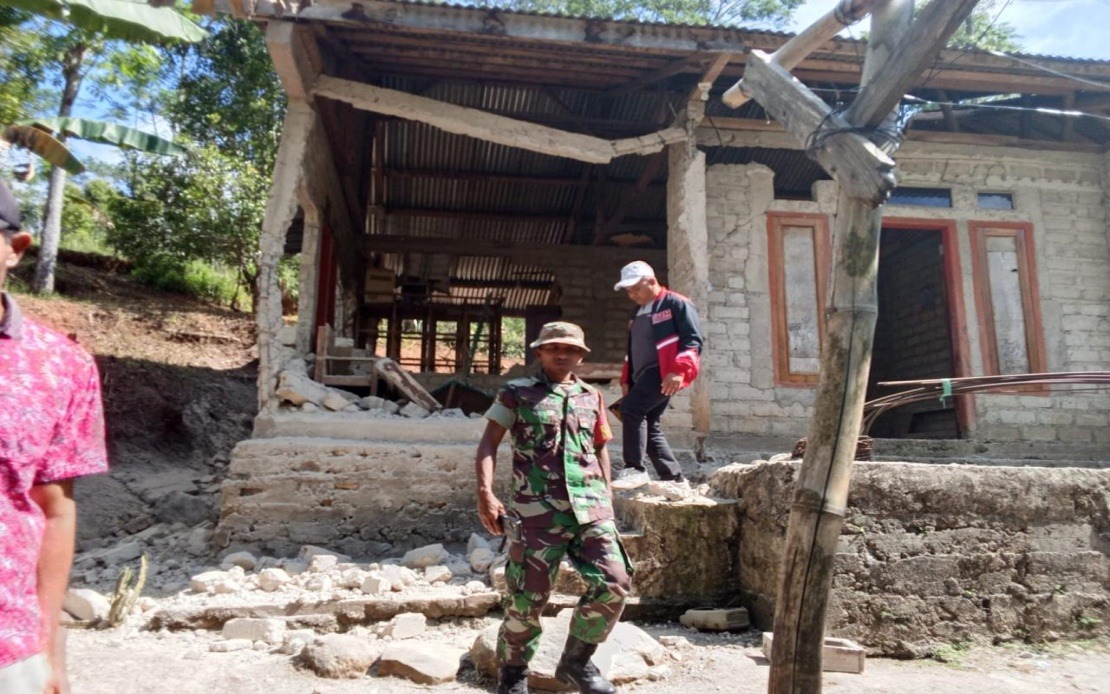
A powerful 7.7-magnitude earthquake that jolted Flores Island in Indonesia's East Nusa Tenggara province on Saturday morning has left 16 Malaysian tourists unharmed, according to Malaysia's Foreign Ministry. The tremor struck northeast of Mbay in Nagekeo Regency at 4:58 am local time, prompting immediate concern for Malaysian nationals in the region. However, swift diplomatic action has brought reassurance to families back home as the Malaysian Embassy in Jakarta confirmed the well-being of all identified tourists within hours of the disaster.
The Foreign Ministry's media advisory, issued on Saturday, underscored that the Malaysian Embassy had successfully made direct contact with the group of tourists following the earthquake. This rapid response reflects the embassy's established protocols for emergencies affecting citizens abroad, ensuring that even in the chaotic aftermath of a natural disaster, lines of communication remain open. The confirmation of safety came as a relief, particularly given that the Flores region is a popular tourist destination for Malaysians seeking cultural experiences and natural landscapes.
At present, the ministry has reported no casualties or injuries among Malaysians in the affected areas. This positive outcome is significant considering the earthquake's considerable magnitude and the unpredictable nature of seismic events. The absence of reported Malaysian victims suggests that either the group was fortunate in their location relative to the epicentre, or that the earthquake's immediate impact on populated areas was limited. Regardless, the confirmation provides reassurance about the safety of Malaysian travellers in this part of Indonesia.
The Malaysian Embassy in Jakarta has shifted its focus to a broader monitoring effort, actively coordinating with local Indonesian authorities to maintain awareness of the situation across all affected areas. This proactive engagement ensures that should additional Malaysians require assistance or if circumstances change, the embassy is positioned to respond swiftly. The coordination with local authorities is particularly important in earthquake situations, where initial assessments may change as rescue operations proceed and damage assessments become clearer.
The Foreign Ministry has issued guidance to all Malaysians in the region, advising them to exercise heightened vigilance and adhere strictly to directives issued by local authorities. This counsel reflects the unpredictable nature of earthquake aftermath, where secondary hazards such as aftershocks, landslides, or damaged infrastructure pose ongoing risks. Residents and tourists are encouraged to prioritise personal safety above routine activities, remaining alert to developments in the hours and days following the initial quake.
A key administrative measure emphasised by the ministry is the importance of Malaysian citizens registering their details through the e-Konsular portal. This digital system allows the Foreign Ministry to maintain accurate contact information for nationals abroad, enabling rapid dissemination of emergency alerts and facilitating swift consular assistance when needed. Given that Malaysia has a significant diaspora and the country attracts hundreds of thousands of tourists annually, such registration systems are essential infrastructure for crisis management. Citizens who keep their information current make it substantially easier for diplomats to locate and assist them during emergencies.
For those facing immediate emergencies or requiring consular assistance, the Malaysian Embassy in Jakarta has made its resources readily accessible. The emergency helpline at +6281380813036 and email address [email protected] provide direct channels for distressed nationals to reach diplomatic staff. The existence of such dedicated emergency contacts demonstrates the embassy's commitment to supporting citizens, ensuring that language barriers or unfamiliarity with local systems do not hinder access to assistance during critical moments.
The earthquake's occurrence highlights the seismic vulnerability of the region. East Nusa Tenggara sits along the Pacific Ring of Fire, a zone of intense seismic and volcanic activity. Magnitude 7.7 earthquakes are among the most powerful on the Richter scale, capable of causing widespread damage and loss of life, depending on factors including depth, proximity to populated areas, and the structural resilience of buildings in the region. The fact that this particular quake appears to have caused limited harm to the Malaysian contingent, at least, suggests either favourable circumstances or that the most severe impacts were concentrated in less densely populated zones.
This incident underscores broader considerations for Malaysian tourism and business activity in Indonesia. As the neighbouring nation remains a primary destination for Malaysian travellers and hosts significant Malaysian business interests, maintaining robust consular services and emergency response capabilities is essential. The Foreign Ministry's swift action in this case demonstrates that such systems are functioning effectively, though they will continue to be tested by the region's natural hazards. Going forward, both Malaysian authorities and travellers would benefit from understanding the earthquake risks inherent in visiting Indonesia's eastern provinces, particularly during peak tourism seasons.
Looking ahead, the Foreign Ministry has committed to ongoing monitoring and timely updates regarding any developments affecting Malaysian citizens. This pledge reflects recognition that earthquake situations can evolve as rescue operations unfold and impact assessments become complete. Should additional Malaysians come to light requiring assistance, or if circumstances deteriorate, the ministry has signalled its intention to adjust its response accordingly. For now, the confirmation that all 16 identified tourists are safe provides reassurance, though authorities remain vigilant for any unfolding developments in this earthquake-affected region of Indonesia.

