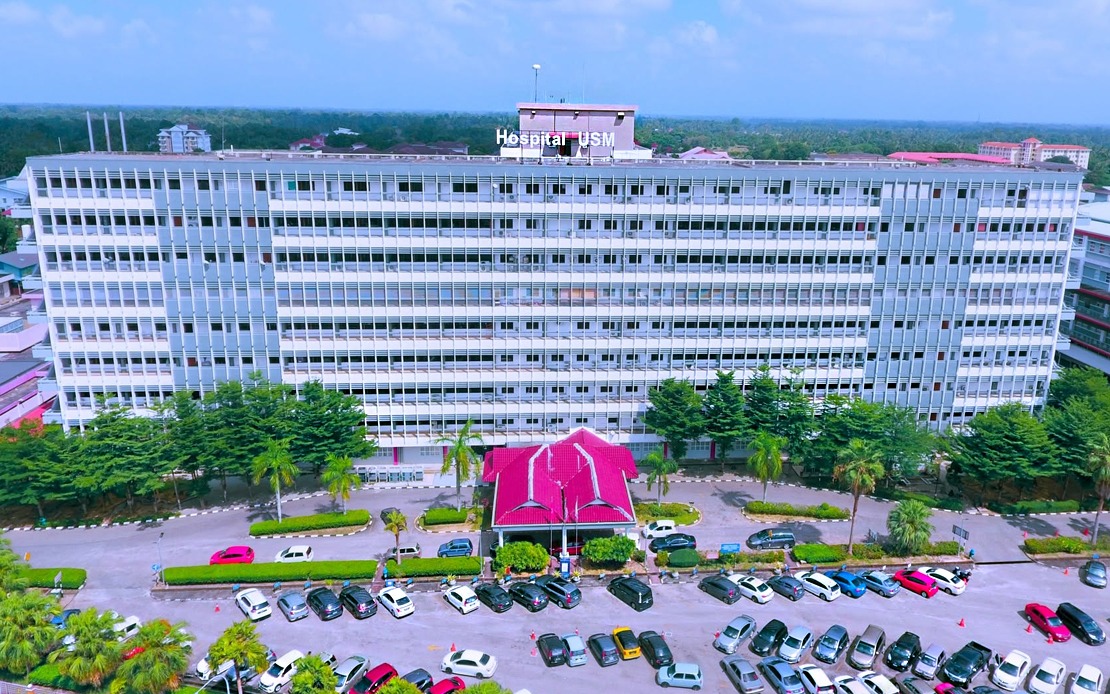
A total of 23 schoolchildren aged between seven and 19 will undergo corrective eye surgery at Universiti Sains Malaysia Specialist Hospital over the next five days as part of an intensive surgical initiative aimed at clearing a substantial patient queue. The second Strabismus Surgery Carnival, running through August 20, represents a coordinated push to address eye misalignment in young patients across Kelantan, a condition that has historically subjected families to frustratingly long waiting times.
According to HPUSM director Datuk Dr Ab Rahman Izani Ghani @ Ab Ghani, the programme marks a significant step forward in tackling healthcare delays that previously stretched from several months to potentially multiple years. The extended delays reflected broader pressures on the nation's public healthcare system, where specialist services often face bottlenecks in managing non-emergency procedures. By concentrating surgical expertise and resources over a defined period, the hospital has created space to process accumulated cases that might otherwise languish in the system.
The students identified for surgery emerged from HPUSM's three-year Short-sightedness and Strabismus Eye Intervention Programme, a systematic screening initiative conducted across schools throughout Kelantan. The comprehensive outreach identified approximately 300 students with various eye conditions, with 23 deemed suitable candidates for surgical intervention during this carnival. This represents the results of sustained ground-level engagement, where medical teams moved beyond hospital walls to detect problems in school-age children before they became more severe or psychologically damaging.
Professor Shatriah Ismail, a paediatric ophthalmology consultant at USM's School of Medical Sciences, emphasised that strabismus—commonly known as crossed eyes or eye misalignment—extends well beyond cosmetic concerns. The condition directly impairs visual function and eye coordination, disrupting the brain's ability to process images correctly from both eyes simultaneously. Children experiencing uncorrected strabismus often develop amblyopia, or lazy eye, where the brain begins suppressing input from the misaligned eye, leading to permanent vision loss if untreated.
The psychological dimension compounds the clinical challenge. Children with visible eye misalignment frequently experience social stigma and bullying, affecting self-esteem during formative developmental years. Professor Shatriah noted that the condition can substantially undermine confidence and interfere with a child's adaptation to school and social environments. Early surgical correction thus serves not only optical restoration but also psychological protection, allowing young patients to progress through childhood without the burden of visible difference or potential vision complications.
The carnival model represents an innovative approach to service delivery, bringing together specialist ophthalmologists with expertise in strabismus surgery alongside postgraduate students pursuing advanced training in the field. This concentration of surgical talent creates efficiency gains while simultaneously providing educational opportunities for trainee doctors. The presence of multiple consultants enables parallel assessments and surgical cases, dramatically accelerating throughput compared to standard outpatient clinic schedules.
Financial support for the surgical programme comes from the Kelantan Islamic Religious and Malay Customs Council (MAIK) alongside contributions from multiple non-governmental organisations. This multi-source funding approach underscores how public health challenges in Malaysia often require collaborative partnerships spanning government agencies, religious councils, and civil society. The willingness of MAIK to support medical procedures for students regardless of background reflects the principle that healthcare access should transcend sectarian considerations, particularly for children.
The initiative carries particular significance for Kelantan, where economic pressures on families and limited private healthcare alternatives mean that public hospital services represent the primary or only recourse for families managing their children's medical needs. Young patients from lower-income households would otherwise face years of waiting whilst managing a condition that progressively damages vision and social development. By reducing wait times from years to days, the programme eliminates a gap period during which irreversible vision loss can occur and psychological damage accumulates.
The broader healthcare context in Malaysia sees strabismus management representative of wider challenges in specialist service capacity. While Malaysia's public healthcare system provides excellent quality care, the concentration of specialised expertise in major urban centres and the limited number of surgeons trained in strabismus procedures create geographic and temporal bottlenecks. Rural states and smaller urban areas often experience more acute waiting time pressures, making periodic surgical carnivals an increasingly important mechanism for addressing service backlogs.
Beyond the immediate impact on 23 individual patients, the programme generates systemic data about prevalence and burden of strabismus across Kelantan's student population. Identifying approximately 300 cases through school-based screening suggests that strabismus affects a meaningful proportion of the paediatric population, yet many cases likely remain undetected in children who lack access to eye screening. This epidemiological insight informs future resource allocation and planning for eye health services.
The timing and structure of surgical carnivals also offer lessons for managing other surgical backlogs across Malaysia's healthcare system. Rather than viewing extended waiting lists as inevitable consequences of resource constraints, targeted intensive programmes demonstrate that strategic mobilisation of existing capacity can achieve rapid throughput. If replicated for other surgical specialties—particularly orthopaedic procedures, cataract surgery, and general surgical conditions—similar carnivals could measurably improve access across the public system.
For the 23 young patients and their families, this week represents the end of a potentially years-long delay and the prospect of restored visual function and confidence. Their successful surgery will contribute not only individual health improvements but also evidence supporting continued investment in preventive school-based screening and intensive surgical interventions. As Malaysia continues refining its healthcare delivery model, programmes like HPUSM's strabismus carnival demonstrate how targeted, collaborative approaches can meaningfully reduce waiting times and improve outcomes for vulnerable populations.

