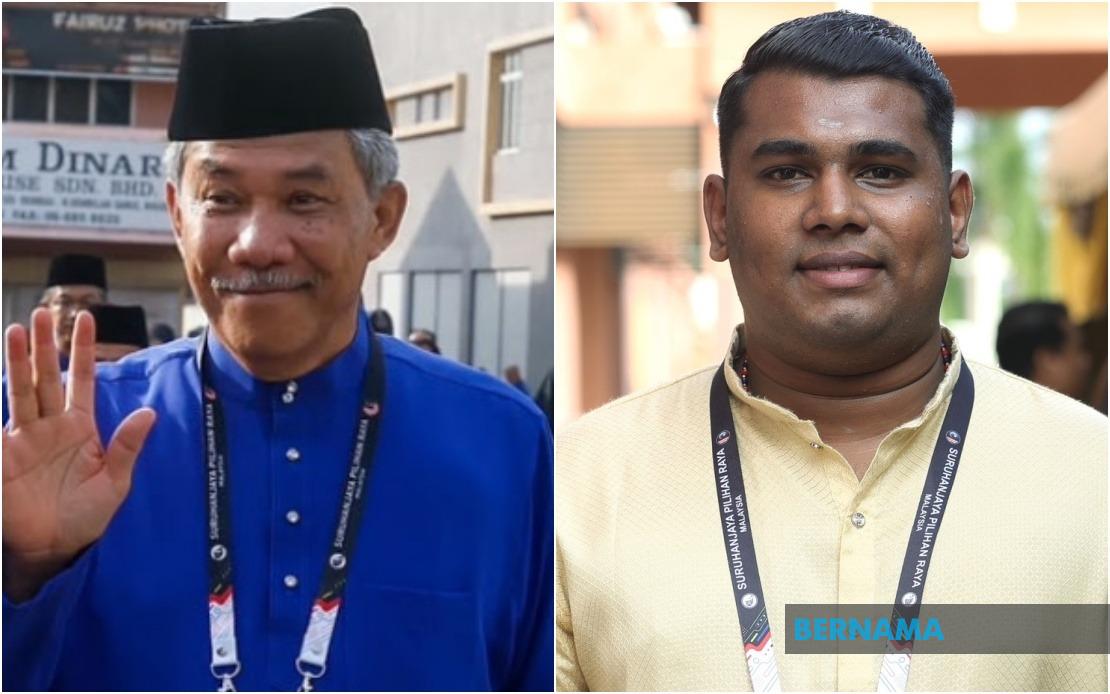
The 16th Negeri Sembilan state election has introduced a notably youthful face to the political arena, with M. Leevineshwaraan's candidacy underscoring the increasing participation of younger voters and candidates in Malaysian electoral contests. At just 23 years old, the Bersatu representative is attempting to secure the Sri Tanjung state seat, a challenging proposition that will require him to navigate a crowded five-way contest and convince constituents that youth and political experience need not be mutually exclusive.
The prominence of such a young candidate reflects broader demographic changes within the electorate, where younger Malaysians are increasingly engaging with the democratic process. Leevineshwaraan's entry into the contest arrives at a time when political parties are consciously seeking to broaden their appeal beyond traditional voter bases, and his candidacy may signal a strategic effort by Bersatu to mobilise younger constituencies and project an image of renewal and fresh thinking.
The Sri Tanjung seat presents a formidable battleground for this novice politician. The incumbent, Datuk Dr G. Rajasekaran of Pakatan Harapan, commands a substantial foothold in the constituency having secured victory in the previous election with a decisive majority of 3,996 votes. This margin provides PH with a significant structural advantage, meaning Leevineshwaraan must overcome not merely voter inertia but also an established incumbent with demonstrated electoral appeal and constituency infrastructure.
Leevineshwaraan's record-setting candidacy surpasses that of Muhammad Syakir Fitri Sadri, who previously held the distinction of being the youngest contestant in the 15th state polls conducted in 2023, when Syakir campaigned for the Paroi seat as an Independent candidate at the age of 25. The two-year difference may appear modest in absolute terms, but it signals an accelerating trend toward younger political participation within Malaysia's state-level contests. The Sri Tanjung seat itself falls within the Port Dickson parliamentary constituency, where 19,590 registered voters will determine the outcome of this particular race.
At the opposing end of the generational spectrum, the 16th Negeri Sembilan election presents a stark contrast through the participation of senior political figures. Both Datuk Seri Mohamad Hasan, the deputy chairman of Barisan Nasional, and Abd Latif A Tambi of Pakatan Harapan are aged 70, making them the eldest candidates in this electoral cycle. Mohamad is defending the Rantau seat, which sits within the Rembau parliamentary constituency and encompasses 34,831 eligible voters, while Abd Latif is mounting a campaign in Gemencheh, located within the Tampin parliamentary constituency where 24,916 voters are registered.
This generational contrast becomes particularly striking when compared to the previous state election, when the oldest candidate was Bujang Abu, then 72 years old and contesting as an Independent representative. Notably, Bujang will not participate in the current election after failing to submit the necessary documentation required by the Election Commission, illustrating how even experienced political figures face administrative hurdles in contemporary electoral contests.
The Rantau seat sees Mohamad engaged in a direct two-way contest, as does Gemencheh with Abd Latif, suggesting that in these particular constituencies, voter choice has been consolidated around established contenders and their primary rivals. These binary contests may produce clearer mandates compared to the more crowded races elsewhere, though they also constrain voter options and may reflect the entrenched support bases these senior politicians have cultivated.
Gender representation among candidates has shown modest improvement, with nine of the 103 total candidates in the state election being women, compared to eight of 83 candidates in the previous election. This marginal increase reflects the slow but discernible progress in female political participation at the state level. Pakatan Harapan has fielded the largest contingent of women candidates with four, suggesting that this coalition is placing greater emphasis on gender diversity within its slate, though the absolute numbers remain small relative to the overall candidate pool.
The underrepresentation of women in the Negeri Sembilan contest mirrors broader patterns observed throughout Malaysian electoral politics, where systemic and structural barriers continue to limit female candidacy and visibility. Progress toward gender parity in electoral representation requires not merely token increases but sustained institutional commitment, party-wide cultural shifts, and mechanisms that actively encourage and support women's political entry.
The Election Commission has scheduled early voting for July 28, with the main polling day designated for August 1, providing constituents with a compressed campaign period in which candidates must mobilise support and articulate their visions to voters. This timeline means that candidates, particularly those without established political networks and resources, face significant constraints in building awareness and demonstrating their platforms to the electorate. For Leevineshwaraan, this accelerated schedule adds another layer of complexity to an already demanding contest.
The Negeri Sembilan election thus encapsulates contemporary Malaysian politics, balancing youthful entry with established experience, showing incremental advances in gender representation, and featuring competitive races across diverse constituencies. The outcomes will provide important indicators of voter sentiment regarding party performance, leadership quality, and the factors—whether seniority, youth, or party affiliation—that currently drive electoral decision-making within the state.

