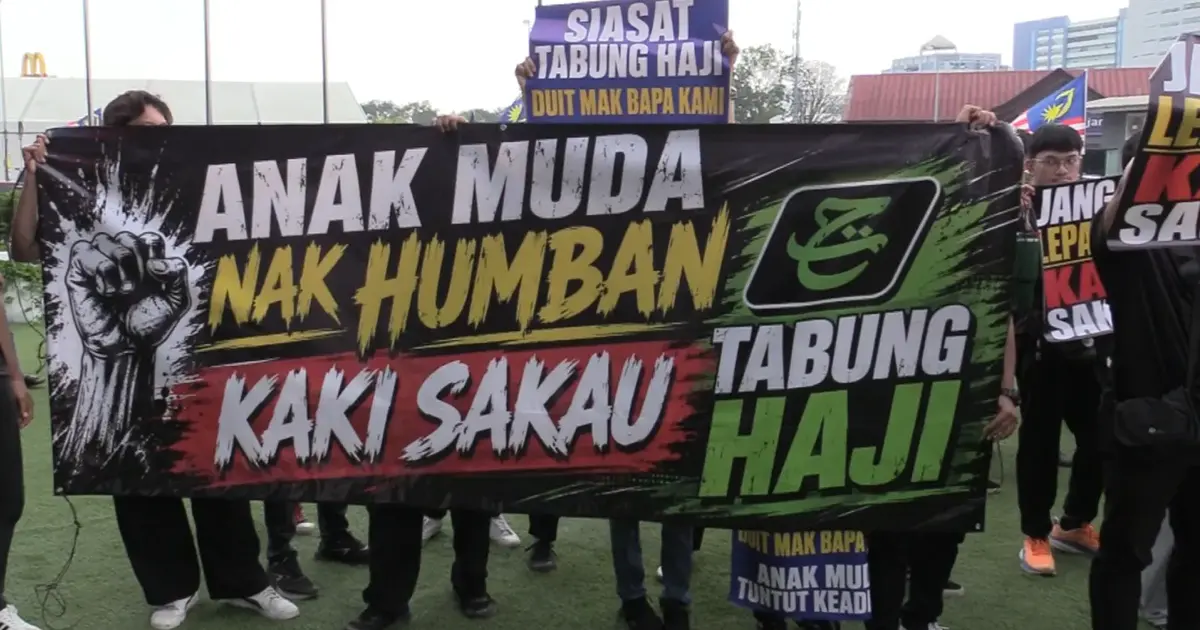
A significant show of grassroots pressure emerged when 250 members of PKR's Melaka chapter gathered outside their party congress venue, their demonstration underscoring deep concern within the organisation over the Tabung Haji situation. The rally reflected growing restlessness among rank-and-file party members who view the matter as demanding immediate and thorough investigation by relevant authorities.
The Tabung Haji controversy has resonated powerfully across Malaysia's Muslim majority population, particularly among those saving for the sacred pilgrimage to Mecca. As the country's premier Islamic financial institution managing billions in pilgrim savings, any irregularities at Tabung Haji strike at the heart of religious trust and financial security for families nationwide. The institution's handling of deposits represents far more than a routine corporate matter—it touches on fundamental religious duty and personal lifetime aspirations for millions of Malaysians.
The protesters' presence outside the party congress signalled that this issue transcends typical political boundaries and has become a touchstone for genuine accountability concerns. Rather than remaining confined to parliamentary debates or media commentary, the Melaka PKR members brought their demands directly to their party leadership, suggesting frustration with the pace and scope of official responses. This grassroots mobilisation indicates that ordinary party members feel empowered to hold their own leaders accountable, a dynamic that reflects the evolving nature of political participation in Malaysia.
For PKR specifically, the rally presented both a challenge and an opportunity. As part of the ruling coalition and positioning itself as a reform-oriented party, the organisation faces pressure to demonstrate that it genuinely prioritises transparency and protection of public interests, particularly regarding assets held in trust for Muslim Malaysians. The party's response to member pressure would signal whether its reformist credentials extend beyond electoral rhetoric into institutional practice.
The emphasis on thorough investigation rather than quick blame-shifting reveals sophisticated understanding among the protesters. They recognised that genuine accountability requires comprehensive examination of facts, decision-making processes, and responsibility chains—not merely symbolic gestures or scapegoating of individual officials. This demand for methodical investigation reflects growing public expectations that political parties and government institutions must produce substantive results, not just perform political theatre.
The Tabung Haji issue carries particular weight in Melaka, a state with significant Malay-Muslim populations where religious and cultural concerns carry substantial electoral influence. Political leaders in the state ignore such grassroots mobilisation at their peril, as these demonstrations often precede shifts in community sentiment that ultimately affect electoral outcomes. PKR's response to the Melaka members' demands could shape perceptions of the party's commitment to serving its core constituency.
Beyond partisan considerations, the rally illuminated broader Malaysian questions about institutional governance and public trust. Tabung Haji's situation raises fundamental queries about how Malaysia's regulatory frameworks oversee major financial institutions entrusted with citizens' savings, particularly those serving religious purposes. The public's heightened attention to this matter reflects maturation in civic consciousness regarding corporate accountability and institutional oversight.
The convergence of religious significance, financial scale, and governance questions makes the Tabung Haji investigation consequential for Malaysian politics generally. Whatever authorities ultimately determine about the institution's operations will influence public confidence in similar organisations managing collective savings and religious endowments. The investigation's transparency and thoroughness will matter enormously for rebuilding trust among affected communities.
For Southeast Asian observers watching Malaysian political dynamics, the Melaka rally demonstrated that despite coalition politics and complex factional arrangements, grassroots pressure can still mobilise around substantive governance issues. The protesters were not simply defending partisan interests but advocating for accountability affecting millions of ordinary Malaysians, suggesting that beneath electoral calculations lies genuine concern for institutional integrity.
The timing of the rally outside the party congress proved strategically significant, placing the issue directly before PKR's decision-making structures at a moment when national attention focused on party leadership. This tactical choice suggested the protesters understood leverage points within political processes and possessed confidence that raising their voices would generate meaningful response.
Moving forward, the intensity of member concern expressed through the Melaka rally suggests that Tabung Haji will remain prominent in Malaysian political discourse. Political parties cannot ignore mobilised grassroots sentiment on matters affecting millions of citizens, particularly when those matters intertwine religious duty, financial security, and institutional trust. For PKR and other coalition partners, demonstrating commitment to swift and comprehensive investigation has become politically necessary and morally imperative.

