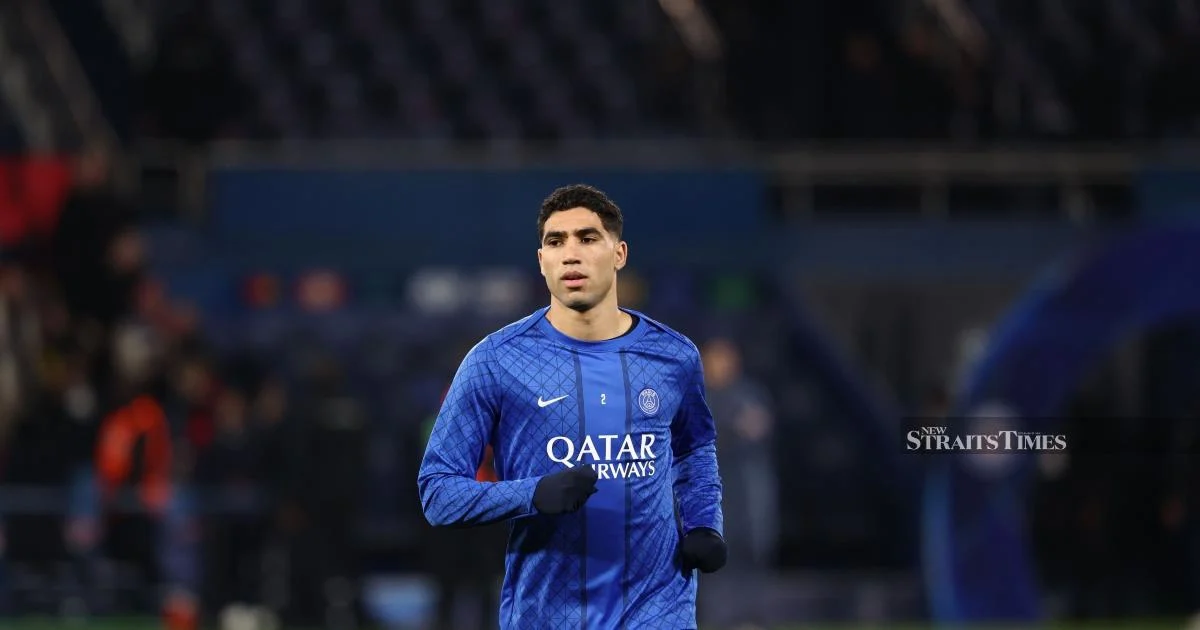
A French appeals court in Versailles has confirmed that Moroccan international defender Achraf Hakimi will proceed to trial on charges of rape involving a young woman. The decision by the court on Friday represents a substantial development in what has become one of professional football's more prominent legal cases in recent years, with potential ramifications for the player's career at Paris Saint-Germain and beyond.
The formal confirmation that Hakimi must face trial comes after judicial review of preliminary evidence gathered during the investigation phase. This procedural step indicates that French authorities have determined sufficient grounds exist to bring the matter before a court, though the decision to advance to trial does not constitute a finding of guilt. The accusation against the Paris Saint-Germain right-back emerged earlier this year and has attracted significant international attention given his prominence in European football.
Hakimi, who has represented Morocco at international level and played for some of Europe's leading clubs including Real Madrid and Inter Milan before joining PSG, has denied the allegations against him. His legal representatives are expected to mount a vigorous defence during the trial proceedings. The 26-year-old has maintained his innocence throughout the investigation, and his legal team will have the opportunity to challenge the evidence and allegations presented by prosecutors.
The Paris Saint-Germain club has faced mounting pressure regarding its handling of the situation, including questions about the player's continued presence in the squad and training activities. Professional football clubs often face public scrutiny when players face serious criminal charges, with sponsors, fans, and governing bodies all scrutinising how organisations respond to such allegations. PSG has not made significant public statements regarding any potential disciplinary actions specific to the criminal proceedings.
For Malaysian and Southeast Asian football followers, the case underscores how allegations against high-profile international players can intersect with broader questions about duty of care, due process, and the responsibilities of major sporting institutions. The case also reflects evolving standards in professional football regarding accountability and transparent handling of serious criminal matters.
The trial will proceed through the French judicial system, which operates differently from several other European nations. The investigation phase concluded with the appeals court decision, and the case now moves toward substantive court proceedings where both prosecution and defence will present their arguments and evidence before a judge or judges, depending on the trial structure determined by the court.
Hakimi's situation represents a broader conversation within professional football about player conduct off the pitch and institutional responses to criminal allegations. Many major European clubs have faced pressure to implement clearer protocols for handling such cases, balancing presumption of innocence with safeguarding responsibilities toward potential victims and maintaining standards within their organisations.
The implications for Hakimi's future in professional football remain uncertain pending trial outcomes. Career disruptions resulting from protracted legal proceedings have affected other high-profile athletes across various sports, with some players managing to continue competing while facing charges, while others have faced suspension or termination of contracts by their clubs regardless of ultimate legal outcomes.
Southeast Asian football enthusiasts who follow Europe's top leagues through widespread media coverage will observe how this case develops, particularly given PSG's significant global fan base spanning Asia-Pacific regions. The club's handling of the matter and any regulatory responses from French football authorities could influence how other major institutions approach similar situations in the future.
The appeals court's decision moves the focus from investigative procedures toward substantive trial proceedings, where the accusations against Hakimi will be examined in detail. This phase will determine the veracity of the allegations and the strength of evidence presented by prosecutors. The trial's outcome will have profound implications not only for Hakimi's personal circumstances but potentially for broader conversations within European football regarding accountability and institutional governance.

