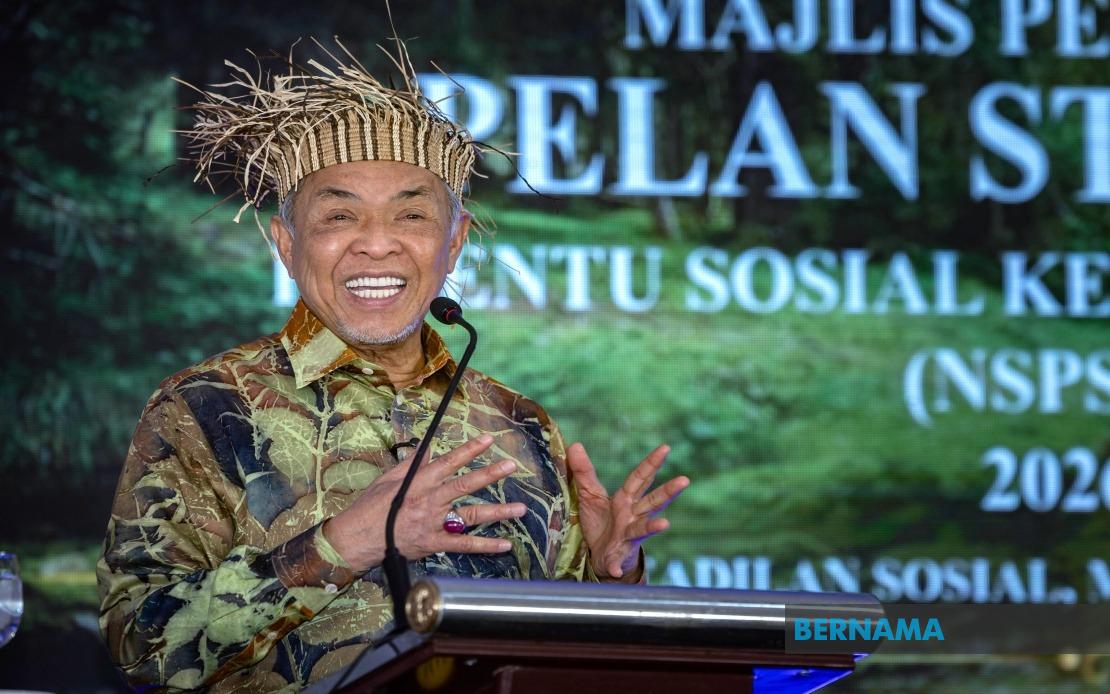
Deputy Prime Minister Datuk Seri Dr Ahmad Zahid Hamidi has appealed to all Malaysians to offer prayers for the speedy recovery of Prime Minister Datuk Seri Anwar Ibrahim, who is currently resting following a minor surgical procedure. Speaking after officiating the launch of the 2026-2035 National Social Determinants of Health Strategic Plan for Orang Asli at Kampung Air Banun in Gerik, Zahid expressed confidence that the Prime Minister would require only a brief period of recovery before resuming his full duties leading the nation.
According to Zahid, Anwar informed him of the planned medical intervention on Tuesday, August 4, providing the Deputy Prime Minister with advance notice of the procedure. Zahid emphasised that even routine surgical operations necessitate adequate rest, noting that Anwar would need a minimum of two days away from his official responsibilities to allow his body to recuperate properly. The Deputy Prime Minister framed the recovery period not as a setback but as a necessary measure to ensure the Prime Minister returns to work in optimal condition.
The head of the Prime Minister's Medical Team, Datuk Dr Asri Ranga Abdullah Ramaiah, confirmed that Anwar had successfully undergone an elective laparoscopic surgical procedure to address a para-umbilical hernia, a condition affecting the abdominal wall. Ramaiah reported that the minimally invasive procedure proceeded without complications and was carried out by a specialised team of medical experts. The laparoscopic approach, which involves small incisions and camera guidance rather than open surgery, typically results in faster recovery times and reduced post-operative discomfort compared to traditional surgical methods.
Following the successful completion of the procedure, Anwar entered the physiotherapy phase of his recovery process. Ramaiah indicated that the Prime Minister remains under continuous observation by the medical specialist team to ensure his rehabilitation progresses as expected. Physiotherapy sessions are standard after abdominal surgery to restore strength, improve mobility, and prevent complications such as muscle weakness or stiffness that can develop during recovery periods.
In Anwar's absence from Cabinet duties, Zahid has assumed responsibility for chairing Cabinet meetings. This arrangement ensures continuity in government operations and decision-making processes during the Prime Minister's recovery. The delegation of these responsibilities to the Deputy Prime Minister represents standard governmental protocol for such situations and allows the Cabinet to maintain its regular meeting schedule without disruption.
Zahid's public request for nationwide prayer reflects Malaysian cultural and religious traditions, where religious observance and communal well-wishing are common expressions of support during health crises affecting national leaders. The appeal transcends religious boundaries and seeks to unite Malaysians across different faiths in solidarity with their Prime Minister during a period of medical vulnerability. Such gestures underscore the importance placed on leadership continuity and the collective concern for the health of senior government officials.
The timing of Anwar's surgery during the monsoon season and amid ongoing parliamentary and administrative schedules underscores the delicate balance required in managing the health needs of Malaysia's top leader against the demands of governance. The Prime Minister's decision to proceed with elective rather than emergency surgery suggests proactive health management rather than an acute medical crisis. Elective procedures allow for careful scheduling and preparation, reducing the risk of complications and enabling smoother recovery planning.
The use of laparoscopic techniques reflects contemporary medical practice in Malaysia, demonstrating that the nation's healthcare system, particularly for government leaders, utilises advanced and minimally invasive surgical approaches. This technology reduces hospitalisation time and allows patients to resume normal activities more quickly than traditional open surgery would permit. The choice of this surgical method suggests confidence in achieving both medical objectives and rapid functional recovery.
For Malaysia's broader governance context, the temporary transfer of Cabinet chairmanship duties to the Deputy Prime Minister establishes clear lines of succession and operational continuity. This arrangement reinforces institutional stability and ensures that governmental functions continue uninterrupted during the Prime Minister's medical leave. The transparency with which government officials have communicated about Anwar's condition also contributes to public confidence in institutional processes.
Looking forward, the success of Anwar's recovery will largely determine the timeline for his full return to executive duties. While Zahid indicated that only a brief rest period would be required, the actual recovery trajectory will depend on how well physiotherapy progresses and whether any unexpected complications arise. Public updates from the Medical Team regarding Anwar's condition will likely continue, maintaining transparency with the Malaysian public about their Prime Minister's health status.
The situation also reflects broader healthcare considerations relevant to Malaysia's leadership infrastructure. The availability of advanced surgical facilities and specialist medical teams within government healthcare systems demonstrates investment in presidential-level medical care. This capability ensures that the nation's top executives can access world-class healthcare without requiring international medical travel, a factor that carries both practical and symbolic significance for national leadership.

