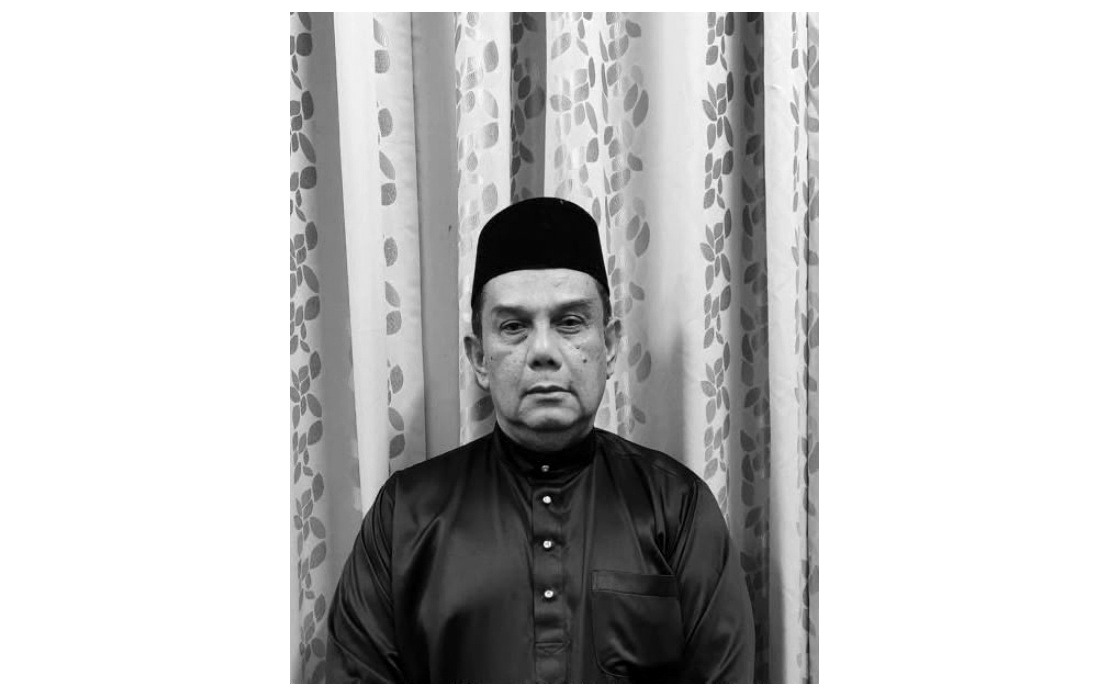
Datuk Jailani Harun, a respected figure in Malaysian media circles who served as diplomatic officer to UMNO president Datuk Seri Dr Ahmad Zahid Hamidi, passed away at Hospital Serdang this morning. The 68-year-old drew his final breath at 11.34 am, with news of his death swiftly communicated through official channels including the Office of the Deputy Prime Minister. His eldest daughter, Nabilla, confirmed the passing when reached by media representatives, marking the end of a career that spanned journalism and political advisory roles at the highest levels of the ruling coalition.
Jailani's trajectory through Malaysian public life reflects the interwoven nature of media and politics in the country's institutional landscape. Beginning as a journalist, he transitioned into diplomatic and advisory capacities, ultimately positioning himself as a trusted confidant within UMNO's upper echelons. This career path, though not uncommon among senior figures in Malaysian politics, underscores how individuals with strong media backgrounds often find themselves gravitating toward positions of influence and communication strategy within political parties. His long association with Ahmad Zahid Hamidi, one of UMNO's most prominent contemporary leaders, suggests sustained trust and working relationship across multiple decades.
The passing of such a figure carries implications beyond personal loss. Individuals serving in diplomatic and advisory capacities to party presidents occupy critical roles in shaping political narratives and managing institutional communications. Jailani's experience as a former journalist would have equipped him with particular insight into media dynamics and public perception management—assets of considerable value to any political leader navigating Malaysia's complex and often contentious media environment. His departure from these corridors of influence may necessitate organizational adjustments within Ahmad Zahid's office and broader political machinery.
Funeral arrangements have been expeditiously organized, reflecting the respect accorded to the deceased within official circles. The body will be transported to Al-Mubarakah Mosque located in Taman Bukit Cheras, where funeral prayers will be conducted in accordance with Islamic rites. Following these proceedings, interment will take place at Alam Damai Cheras Cemetery, with the committal scheduled for after Asar prayers. These arrangements, swiftly communicated through official channels, suggest coordination between family members and government protocol offices—a standard procedure for individuals of Jailani's standing in the Malaysian establishment.
Communications Minister Datuk Fahmi Fadzil has extended formal condolences to the bereaved family, with his remarks published through social media platforms. His expression of sympathy reflects the customary observance of high-level officials acknowledging significant losses within their circles. Fahmi's invocation of religious sentiment, specifically calling for divine mercy upon the deceased's soul and requesting strength for the grieving family, aligns with formal condolence conventions in Malaysia where political figures routinely emphasize spiritual dimensions during moments of loss. Such public expressions serve dual functions: acknowledging personal loss while simultaneously maintaining institutional protocols and demonstrating collective solidarity across political networks.
The death of Jailani occurs during a period of considerable political activity in Malaysia. Ahmad Zahid Hamidi continues to navigate complex party dynamics within UMNO while holding significant parliamentary responsibilities. The loss of an experienced diplomatic officer may create a gap in the institutional knowledge and relationship networks that such positions typically maintain. In Malaysian politics, individuals serving in advisory and diplomatic capacities often serve as institutional memory, managing relationships with various stakeholders and maintaining continuity across political transitions and leadership changes.
Jailani's background in journalism would have provided him with distinctive perspectives on media relations and public communication—domains of increasing importance in contemporary Malaysian politics. Former journalists who transition into political advisory roles often bring critical acumen regarding how narratives are constructed and disseminated, knowledge that proves invaluable in managing political messaging during sensitive periods. His counsel to Ahmad Zahid likely extended beyond ceremonial or administrative functions, encompassing substantive strategic input on communications matters.
The announcement through the Deputy Prime Minister's Office rather than exclusively through party channels suggests that Jailani's influence and significance extended across governmental structures, not merely within UMNO organizational hierarchies. This cross-institutional recognition indicates he occupied a position of some prominence within Malaysia's broader political establishment. Such positioning typically reflects accumulated credibility and sustained performance across extended timeframes, qualities that characterize individuals genuinely influential in closed political circles.
For Malaysian readers following political developments, Jailani's passing represents the loss of an institutional figure who embodied the historical continuum linking Malaysia's media evolution with its political development. The transition of media professionals into advisory and diplomatic roles has been a consistent feature of the country's governance landscape, and individuals like Jailani exemplify this pattern. His death marks the conclusion of one chapter in this ongoing narrative of circulation between Malaysia's media and political spheres.
The broader implications of such losses in political circles extend to considerations of succession planning and institutional renewal. Key positions held by senior figures with extensive experience and established networks present challenges when vacated unexpectedly. Ahmad Zahid Hamidi's office will likely need to identify and develop replacements with comparable competence and trustworthiness—a process that cannot be rushed despite operational imperatives. The death of such individuals, while personally tragic for their families and colleagues, also prompts reflection on institutional resilience and the importance of deliberate succession strategies within political organizations.

