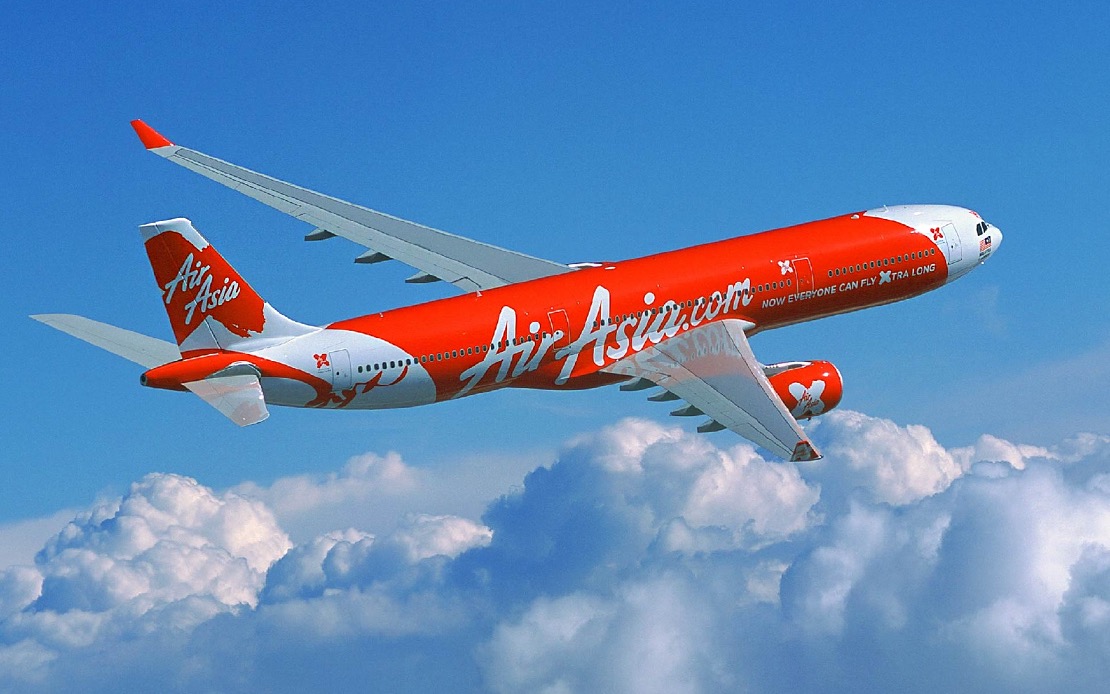
AirAsia has commenced direct air service between Jakarta and Kota Bharu, marking a significant expansion of connectivity in Malaysia's northeastern region. Flight AK2354 touched down at Sultan Ismail Petra Airport at 3.50 pm on Tuesday, operating with a 180-seat Airbus A320 aircraft. The inaugural service transported 117 passengers, achieving a load factor of approximately 63 per cent, indicating reasonable demand despite being the first commercial flight on this newly established route. The passenger composition reflected the route's regional appeal, with visitors from Indonesia, Thailand, the Philippines and several other countries joining Malaysian returnees on board.
The launch represents a deliberate strategic move to integrate Kelantan into Malaysia's broader tourism infrastructure, particularly within the framework of the Visit Malaysia 2026 campaign. Tourism Malaysia has positioned this route as instrumental for drawing Indonesian travellers, who constitute one of the country's most significant visitor demographics. By establishing a direct connection between Indonesia's capital and Kelantan's principal airport, the airline removes a significant logistical barrier that previously required visitors to either transit through Kuala Lumpur or undertake lengthy surface journeys. This streamlined access is anticipated to reduce travel friction and encourage spontaneous tourism from neighbouring Indonesia, where substantial middle-class populations have demonstrated growing interest in cultural and heritage tourism experiences.
Kelantan's tourism appeal centres on its distinctive cultural identity and historical significance within Malaysia. The state government has identified key attractions including Pasar Siti Khadijah, a traditional market reflecting local commerce and craftsmanship, alongside heritage sites such as the Kampung Laut Mosque, one of the oldest Islamic structures in the peninsula. Kampung Kraftangan preserves traditional artisanal practices, while Stong Geopark offers geological and ecological attractions for more adventure-oriented visitors. According to Kelantan Tourism officials, the direct Jakarta connection provides the foundation for positioning these attractions before a much larger Indonesian audience who previously faced inconvenience in accessing them. The gateway effect extends beyond Kota Bharu itself; the route potentially functions as a launching point for broader East Coast exploration, with onward journeys to southern Thai destinations and the region's resort islands becoming considerably more feasible.
Indonesia's standing as a primary tourism source market for Malaysia reflects both geographic proximity and cultural affinity. As of April 2026, Tourism Malaysia data indicates 634 weekly flights operate between the two nations, offering cumulative capacity exceeding 114,806 seats weekly. The Jakarta-Kota Bharu service augments this network, though it targets a different market dynamic than the saturated Kuala Lumpur routes. By introducing direct service to a secondary hub, AirAsia effectively disperses visitor distribution across Malaysia's geography, reducing concentration pressures on the capital while stimulating economic activity in peripheral regions. This dispersal strategy aligns with broader Malaysian tourism policy aimed at ensuring revenue generation and infrastructure development benefit communities beyond the Klang Valley.
Tourism Malaysia's director-general emphasized that the route serves multiple economic functions beyond conventional leisure travel. Health tourism represents an increasingly important segment for Malaysian hospitality, with Indonesian patients seeking medical procedures and wellness treatments. Direct air access to Kelantan facilitates this sector's development while strengthening broader people-to-people connections between populations increasingly bound by cultural, religious, and commercial ties. The health tourism dimension reflects how modern air connectivity serves specialised economic purposes alongside traditional tourism functions. For Malaysian healthcare providers and wellness establishments, the route opens access to an underserved but potentially lucrative market segment within Indonesia's expanding middle class.
AirAsia's commitment to developing underserved routes reflects the airline's operational philosophy of extending connectivity to secondary and tertiary destinations rather than concentrating exclusively on premium markets. The carrier's general manager noted this approach unlocks tourism and trade opportunities while supporting broader economic development across regional destinations. For Kelantan specifically, this represents validation of the state's tourism potential and recognition that viable demand exists to justify commercial service. The low initial load factor of 63 per cent suggests room for passenger growth as the route becomes established and marketing efforts gain traction, which is typical for inaugural services. Historical precedent indicates load factors typically improve substantially once routes achieve market recognition and operational efficiency.
The route's potential extends into trade and business connectivity domains that receive less attention than leisure tourism. Indonesian business travellers, traders, and entrepreneurs may now access Kelantan's commercial opportunities more efficiently, potentially catalysing cross-border business development and trade partnerships. The state's manufacturing, agricultural, and handicraft sectors could benefit from direct business access to Indonesian counterparts and distribution networks. This dimension of the route reflects how air connectivity serves economic functions beyond passenger tourism, creating platforms for commercial relationships that can sustain employment and investment within peripheral regions.
The timing of this service launch coincides strategically with Malaysia's Visit Malaysia 2026 campaign, a comprehensive tourism promotion initiative designed to significantly increase visitor arrivals. By establishing new routes and enhancing connectivity before the campaign reaches peak promotional intensity, Malaysia positions itself to convert marketing efforts into actual passenger movements and tourism revenue. The Jakarta-Kota Bharu service represents one of multiple connectivity enhancements being undertaken across the region, collectively designed to accommodate and facilitate the anticipated visitor surge. For Kelantan officials and tourism operators, the route provides a dedicated marketing narrative and tangible infrastructure investment that can be promoted within target markets.
Regional competitive dynamics also inform the significance of this development. Thailand and neighbouring Southeast Asian destinations continuously compete for Indonesian visitor expenditure. By improving direct access to Malaysian attractions, particularly culturally distinctive destinations like Kelantan, Malaysia strengthens its competitive positioning within the regional tourism marketplace. The East Coast region increasingly positions itself as an alternative to Thailand's established tourism corridors, emphasising Islamic heritage, traditional Malaysian culture, and coastal experiences that differentiate the proposition from Thai competitors. Direct Jakarta connectivity enhances this positioning substantially.
The launch also reflects broader patterns of aviation network restructuring across Southeast Asia following pandemic recovery. Airlines increasingly recognise that secondary city pairs can generate viable demand without requiring intermediate connections through congested primary hubs. This network evolution benefits peripheral destinations that previously remained isolated from direct international service. For Kelantan, historical geographic peripherality relative to Kuala Lumpur becomes less consequential when direct regional connections are established. The airport infrastructure development this necessitates also generates local employment and economic activity within Kota Bharu itself.
Looking forward, the route's success will likely depend on several variables beyond airline operations. Marketing effectiveness in Indonesia proves crucial for passenger conversion, requiring coordinated promotion by Tourism Malaysia, AirAsia, and Kelantan tourism authorities. Hotel and attraction operators must ensure service quality justifies the premium of direct travel. Weather patterns affecting the route's reliability during northeast monsoon periods require monitoring. If performance metrics support continued operation, potential expansion to increased frequency or larger aircraft could follow. Conversely, underperformance could result in service discontinuation, underscoring the importance of concentrated stakeholder effort during the critical establishment phase.
The broader development implications for Kelantan's trajectory merit consideration. Improved air connectivity historically precedes sustained economic development, particularly in regions dependent on tourism and cultural industries. By establishing this route before the Visit Malaysia 2026 campaign peaks, Kelantan positions itself to capture visitor spending and generate accommodation, food service, entertainment, and retail economic activity. Local communities benefit through employment creation in hospitality and service sectors, while longer-term impacts may include infrastructure improvements and business expansion within tourism-dependent regions. For Malaysian policymakers evaluating regional development investments, such connectivity improvements represent relatively efficient mechanisms for stimulating economic activity in peripheral areas.

