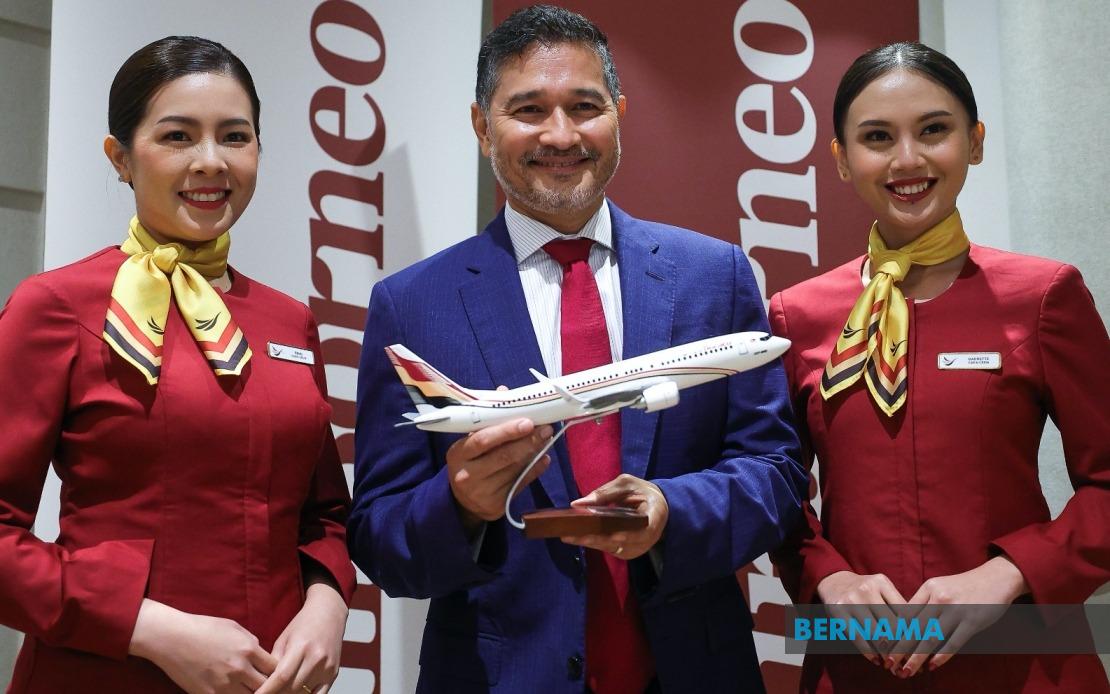
Sarawak's state-owned carrier AirBorneo has pledged to sustain an all-inclusive RM375 one-way Economy Class fare on the Kuala Lumpur-Kuching route regardless of season, marking a significant move to address longstanding concerns over elevated regional airfares. The airline, which recently commenced ticket sales for this key domestic corridor, operates the route twice daily between Kuching International Airport and Kuala Lumpur International Airport Terminal 1, positioning itself as a competitive alternative on one of Malaysia's busier air links.
The pricing decision reflects a methodical approach by AirBorneo's chief executive officer Megat Ardian Wira Mohd Aminuddin, who conducted an extensive six-month fare analysis before settling on the RM375 figure. This research incorporated volatility in fuel costs, comparisons with competing carriers on the same route, and benchmarking against both historical average fares and promotional lower-tier pricing offered by rivals. The resulting tariff sits squarely within the range of competitor offerings, balancing affordability with operational sustainability at a time when aviation fuel remains subject to international commodity price swings.
Transparency around pricing components underpins AirBorneo's differentiation strategy. While some carriers advertise eye-catching base fares, these often omit ancillary charges that materially inflate the final ticket price for passengers. By emphasising its all-in positioning, which incorporates airport taxes and fuel surcharges, AirBorneo appeals to budget-conscious travellers and business passengers alike who prefer predictable costs. The Business Class option is pitched at RM736 all-in, offering a premium alternative without hidden fees.
The airline's commitment to year-round pricing stability signals a strategic response to recurring complaints from Sarawakians and Peninsular Malaysia travellers regarding the expense of inter-regional flights. High airfares have historically constrained mobility between the two regions, hindering both leisure and business travel. By decoupling fares from seasonal demand fluctuations—a common practice in dynamic pricing—AirBorneo aims to foster predictable planning horizons for families and corporate travellers while simultaneously building market share through customer confidence.
This initiative arrives as AirBorneo gears up for a significant regional expansion tied to Sarawak's co-hosting of the 2027 SEA Games. The airline has articulated ambitions to become the official carrier for the biennial sporting event, positioning itself as a crucial logistical partner in transporting athletes, officials, and supporters. The company expects to launch scheduled services to two or three ASEAN destinations by early next year, reflecting broader infrastructure readiness ahead of the games.
For Malaysia's tourism and business sectors, the KL-Kuching route carries outsized importance. Sarawak, home to over 2.8 million residents and endowed with significant natural attractions ranging from the Rajang Delta to Gunung Mulu, remains relatively underconnected compared to more accessible domestic destinations. Improved air connectivity at competitive prices could unlock latent demand, benefiting hotels, tour operators, and regional commerce. The RM375 fare, indexed at a level competitive with land-bridge alternatives via Peninsular routes, makes flying an increasingly rational choice.
The broader Southeast Asian context underscores relevance. Regional aviation has experienced capacity additions and competitive pressure following post-pandemic recovery, yet pricing remains opaque and variable across routes. AirBorneo's transparent, stabilised model offers a template potentially applicable elsewhere in the region, where traveller frustration with unpredictable airfares mirrors Malaysian sentiment. For Malaysia's positioning within ASEAN connectivity frameworks, a carrier demonstrating pricing discipline and route expansion strengthens the nation's aviation ecosystem.
Operational implications merit attention. Maintaining a fixed all-in fare year-round requires disciplined cost management, particularly as fuel costs fluctuate and demand cycles shift. AirBorneo's capacity to absorb margin compression during peak-fuel periods or seasonal downturns will test the durability of this commitment. Industry observers will scrutinise whether the airline generates sufficient yield to sustain profitability, expand fleet capacity, and fund the regional network build-out necessary for SEA Games operations.
The competitive dynamics on the KL-Kuching corridor will likely intensify. Established carriers, potentially including Malaysia Airlines and Air Asia affiliates, now face a credible alternative offering transparent, stable pricing. This environment may constrain their pricing flexibility and spur similar stabilisation commitments, ultimately benefiting consumers through modest fare reductions or improved service differentiation. The cumulative effect would enhance intra-Malaysian connectivity while raising competitive standards across the industry.
Longer-term, AirBorneo's strategy reflects confidence in Sarawak's economic trajectory and state-level support for the airline's expansion. As a state-owned enterprise, AirBorneo operates within a supportive policy environment, yet market-competitive pricing and operational metrics remain essential to justify continued investment. Success on the KL-Kuching route will establish credibility for regional expansion and justify the capital expenditure required to execute the 2027 SEA Games vision.
The immediate takeaway for Malaysian travellers and businesses is material: a dependable, transparent pricing option on a critical domestic route addresses a persistent grievance. For Sarawak's connectivity and economic development prospects, AirBorneo's commitment signals genuine intent to narrow the inter-regional access gap that has historically constrained tourism growth and business expansion. Whether this translates into sustained market leadership or merely establishes a temporary pricing floor will depend on execution and the competitive responses of incumbent carriers.

