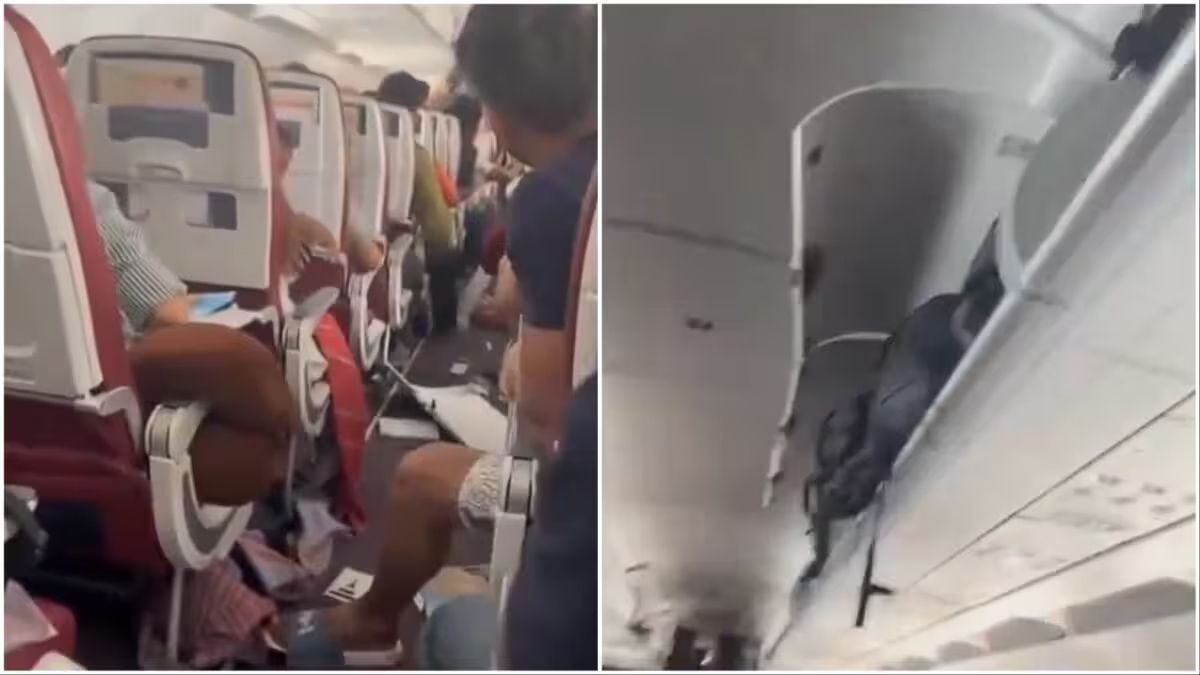
Aircraft manufacturer Airbus announced Monday that it would deploy a team of specialist investigators to New Delhi on Tuesday to provide technical assistance in examining the circumstances surrounding an Air India flight that experienced a dramatic mid-air descent on August 4. The Airbus A320, operating service between Phuket, Thailand and New Delhi with 137 passengers and eight crew members aboard, unexpectedly shed approximately 300 feet of altitude during the flight before the pilots regained control and successfully landed the aircraft. The incident left 17 people injured, including eight passengers and four cabin crew members who required hospitalisation after the plane touched down in the Indian capital.
The investigation has taken on added urgency following the emergence of preliminary information suggesting that the chief pilot returned a positive screening result for psychoactive substances. India's civil aviation ministry confirmed that both flight crew members underwent standard psychoactive substance screening tests following the flight's landing, with the pilot-in-command's results indicating a need for confirmatory testing. The samples have been forwarded to laboratories for detailed analysis, though the final report remains confidential pending completion of the investigation. In the interim, both pilots have been suspended from all flying duties pending the outcome of the probe.
India's Aircraft Accident Investigation Bureau has formally classified the incident as a Serious Incident and assumed direct responsibility for the inquiry. Air India stated in an initial statement that the aircraft had "experienced a sudden loss of altitude" and pledged its "full cooperation" with all investigating authorities, including notification of the aircraft manufacturer. The carrier has since declined to comment on specific findings or observations emerging from the investigation, maintaining a cautious public posture while authorities pursue their examination.
Airbus, in its statement, emphasised its commitment to supporting both the Indian investigating authorities and Air India itself throughout the probe. The manufacturer indicated that technical data from the aircraft would be crucial to determining whether the incident resulted from mechanical failure, human error, or other factors. The presence of Airbus specialists in the investigation reflects standard international protocols governing aviation accidents and serious incidents, ensuring that the aircraft manufacturer's engineers can provide detailed insights into the A320's systems, maintenance history, and operational parameters at the time of the descent.
Indian news outlets have reported that the flight experienced multiple technical irregularities immediately preceding the sudden altitude loss, though neither Air India nor government authorities have publicly confirmed these accounts. This discrepancy between media reports and official statements has generated considerable speculation within aviation circles about the underlying cause of the incident. The simultaneous investigation into both potential mechanical factors and the pilot's medical and substance screening status reflects the complexity of modern aviation accident investigation, which routinely examines multiple concurrent hypotheses.
For Malaysia and the broader Southeast Asian aviation sector, the incident underscores continuing concerns about airline safety protocols and crew management systems. The Phuket-New Delhi route serves significant traffic between Thailand and India, and any incident affecting that corridor reverberates throughout regional aviation networks. Malaysian carriers operating similar aircraft in comparable operating environments will likely monitor the investigation's conclusions, particularly regarding any systemic issues with the A320 platform that might affect their own fleets.
The timing of this investigation coincides with Air India's broader struggle to recover from a series of operational and safety challenges that have damaged the carrier's reputation across South Asia and beyond. The airline has endured substantial disruptions stemming from regional geopolitical tensions affecting Middle East operations, constraining its ability to execute profitable routing strategies. More significantly, the airline's image suffered catastrophic damage in June 2025 when Air India Flight 171, a Boeing 787 Dreamliner en route to London from Ahmedabad, crashed shortly after departure, killing 241 of 242 passengers and crew aboard the aircraft, along with 19 individuals on the ground in an unprecedented disaster for the Indian carrier.
In response to mounting operational and safety pressures, Air India's ownership appointed Tewolde Gebremariam, former chief executive of Ethiopian Airlines, to lead the carrier through a comprehensive turnaround effort. Gebremariam's appointment signals the ownership's determination to implement international best practices in aviation management, crew training, and safety culture. His experience revitalising Ethiopian Airlines, one of Africa's most successful carriers, suggests a strategic focus on operational excellence and restoring passenger confidence, both critical for Air India's recovery trajectory.
The August 4 incident and ongoing investigation will likely form part of Gebremariam's immediate priorities as he assumes leadership. Demonstrating transparent cooperation with investigators and implementing any corrective measures that emerge from the probe will be essential to rebuilding stakeholder confidence in the airline. The incident also highlights the importance of robust crew wellness programmes and substance screening protocols across the aviation industry, particularly as airlines seek to balance legitimate privacy concerns with public safety imperatives.
Southeast Asian aviation regulators and carriers should monitor the investigation's findings closely, as conclusions regarding either aircraft systems or crew protocols may prompt regulatory adjustments affecting regional operations. The incident serves as a reminder that despite modern aviation's exemplary safety record, vigilance, transparent investigation, and continuous improvement remain essential to maintaining public confidence in air travel. The next weeks will be crucial as Airbus specialists work alongside Indian investigators to determine whether this incident represents an isolated event or reveals broader systemic concerns requiring corrective action.

