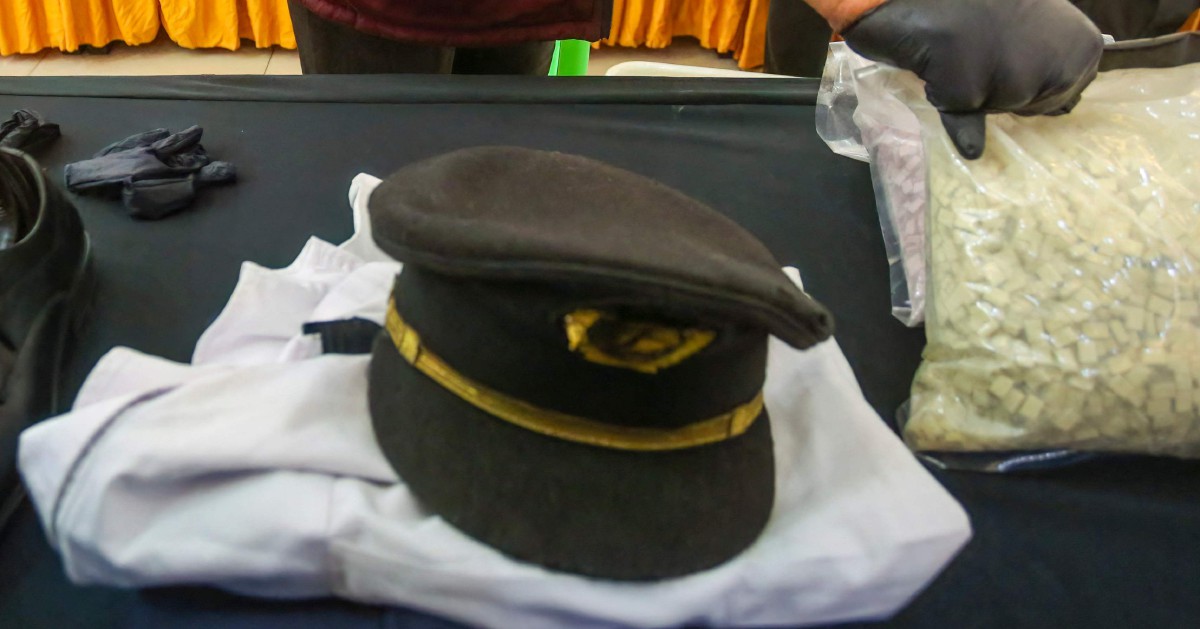
An airport employee in his 30s has become a focus of police inquiry into allegations that a Malaysia Airlines pilot managed to bring drugs through security screening at Kuala Lumpur International Airport, authorities announced. The identification marks a significant development in what appears to be a systematic breach of airport security protocols at one of Southeast Asia's busiest aviation hubs.
The circumstances surrounding the pilot's passage through KLIA with prohibited substances in his baggage have raised serious questions about the integrity of screening procedures at the airport. Investigators are attempting to determine whether the employee's role in airport operations facilitated the movement of contraband through checkpoints that are designed to intercept such materials. The individual's employment status and specific duties remain under examination as officers work to establish the precise nature of any involvement.
This incident carries significant implications for Malaysia's reputation as a regional aviation centre and raises concerns about security standards at the country's primary international gateway. KLIA processes thousands of passengers and crew members daily, making any breach of its security apparatus a matter of national importance. The airport has historically maintained stringent protocols, and this allegation suggests potential vulnerabilities in enforcement or supervision that warrant urgent review.
For Malaysia Airlines, the development presents a serious reputational challenge amid ongoing scrutiny of operational procedures. The national carrier faces questions not only about how an aircrew member could have attempted to transport drugs but also about internal vetting and compliance systems designed to identify and deter such conduct among staff. The airline has consistently maintained high operational standards, and any involvement of its personnel in drug-related activity contradicts its public safety positioning.
The investigation underscores broader regional concerns about the trafficking of narcotics through Asian aviation networks. Malaysia sits along major trafficking routes, and airports remain persistent vulnerability points despite technological advances in detection equipment. The involvement of aviation staff—whether pilots, ground crews, or other personnel—represents a particularly troubling dimension, as such individuals possess legitimate access to secured areas and cargo handling systems.
Police methodology in identifying the airport employee suggests a methodical investigative approach, likely involving baggage handling records, security footage analysis, and personnel records cross-referenced with the timing of the pilot's passage through the airport. Such investigations typically expand outward from the specific incident to examine whether additional individuals or flights may have been compromised by similar arrangements.
The case also reflects the complexity of modern aviation security, where multiple stakeholders—airport operators, airlines, ground handlers, and enforcement agencies—must coordinate seamlessly. A single point of failure or compromise by any participant can undermine the entire system. Malaysia's commitment to maintaining international aviation safety standards depends partly on rigorous internal accountability and regular audits of personnel conducting security-critical functions.
For regional travellers and the broader business community dependent on KLIA's reliability and security, the investigation carries practical implications. Confidence in airport operations is fundamental to aviation commerce, and publicised breaches, even when actively investigated, can influence corporate decisions about routing and operations. Southeast Asian aviation already contends with competitive pressure from established global hubs, and security concerns can factor into such competitive calculations.
The pilot case exemplifies how individual misconduct, even when detected and addressed, can expose systemic vulnerabilities requiring institutional response. Whether the identified airport employee was approached directly, acted on his own initiative, or operated within a larger scheme remains to be determined through the investigative process. Malaysian authorities appear committed to comprehensive inquiry rather than narrow focus on single individuals.
Moving forward, the investigation may prompt KLIA management and Malaysian aviation authorities to reassess hiring procedures, background vetting protocols, and internal monitoring systems for staff with access to restricted zones. Regional airports facing similar pressures would likely observe this case closely, as the findings could establish precedents for security procedure enhancement across Southeast Asia.
The broader narrative here reflects the cat-and-mouse dynamic between law enforcement and trafficking networks, where profits and incentives continue to fuel attempts to exploit aviation systems. Individual corruption remains a preferred vector for smugglers precisely because technology-based security measures can be circumvented when insider cooperation exists. This investigation, as it unfolds, will provide insights into how effectively Malaysian authorities can disrupt such networks and reinforce the security infrastructure protecting one of the region's most strategically important transportation nodes.

