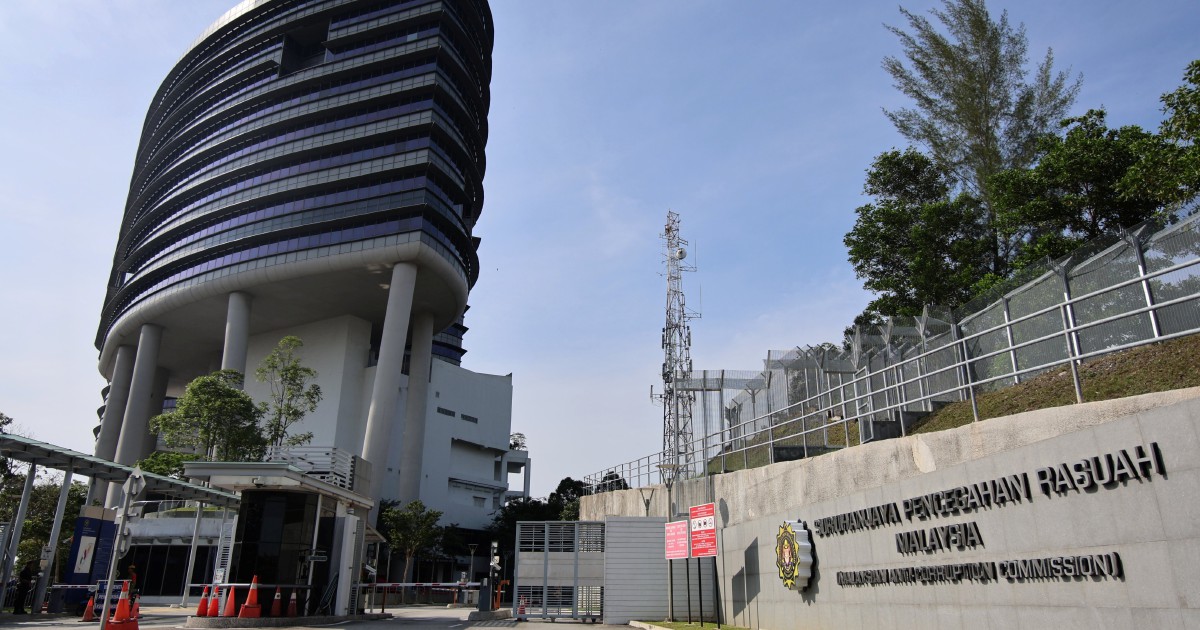
The chief executive leadership of Alam Maritim Resources Bhd experienced a significant development today when Datuk Azmi Ahmad, who holds the dual roles of group managing director and group chief executive officer, was discharged from Malaysian Anti-Corruption Commission remand in Kuala Lumpur. The release marks a turning point in what appears to be an active corruption investigation by the country's primary graft-fighting agency, though the specific circumstances surrounding the executive's detention and the nature of allegations remain unclear at this stage.
Alam Maritim Resources Bhd operates within Malaysia's maritime and offshore services sector, an industry that has historically attracted regulatory scrutiny given the substantial government contracts, licensing requirements, and international compliance frameworks involved. The firm's position in this heavily regulated space means that investigations involving its senior management can carry implications extending beyond individual accountability to questions about business practices across the broader maritime industry.
The Malaysian Anti-Corruption Commission's involvement signals that the matter falls within its jurisdictional scope, typically encompassing allegations of bribery, abuse of power, or corruption-related offences involving public officials, government-linked entities, or companies receiving state funding or contracts. The decision to remand and subsequently release Datuk Azmi Ahmad suggests that investigators gathered sufficient preliminary evidence to warrant detention but may not have secured grounds for extended custody or immediate charges at this juncture.
Remand periods in Malaysia ordinarily serve investigative purposes, allowing authorities to question suspects, examine evidence, and potentially seek further documentation. The completion of this remand phase implies that the MACC has completed an initial phase of its enquiries regarding Datuk Azmi Ahmad's involvement in whatever matter prompted the investigation. However, release from remand does not necessarily indicate exoneration or closure of the inquiry; investigations can continue through alternative means including voluntary interviews, document requests, and witness statements.
For Alam Maritim Resources Bhd, the involvement of its top executive in a MACC investigation creates operational and reputational challenges. Shareholder concerns typically surface when senior management faces graft-related scrutiny, particularly given uncertainties about investigation timelines and potential outcomes. The company's business relationships with government agencies, contractors, and lenders may also be affected, as counterparties assess reputational and regulatory risks associated with the firm during this period.
The maritime services sector contributes meaningfully to Malaysia's economy through vessel operations, offshore support, marine engineering, and port-related activities. Investigations into industry practices help maintain standards of governance and integrity that ultimately strengthen confidence in the sector. However, such probes also create temporary uncertainty for legitimate businesses operating within the space, particularly smaller firms competing against larger, better-resourced competitors that may navigate regulatory scrutiny more easily.
International dimensions may also feature in such investigations, given that Malaysian maritime companies frequently engage with foreign partners, operate in international waters, and navigate regulatory frameworks across multiple jurisdictions. Any findings regarding misconduct could influence how Malaysian firms are perceived by international business partners and regulatory authorities abroad.
The absence of immediate charges following the remand does not indicate the investigation's direction or momentum. The MACC customarily conducts thorough inquiries before considering prosecution, particularly in cases involving corporate executives where evidence standards are rigorous and defences may be substantial. Investigators may still be collecting testimony, forensic data, or documentary evidence that could lead to further action.
Stakeholders in Malaysia's maritime industry will likely monitor developments closely, particularly regarding whether the investigation expands to encompass other individuals, entities, or specific transactions. Patterns of governance lapses or systemic issues identified during such inquiries can sometimes trigger broader regulatory responses affecting industry practices more widely.
The corporate governance implications for Alam Maritim Resources Bhd warrant consideration, as investigations involving senior executives often prompt companies to reassess internal controls, compliance frameworks, and oversight mechanisms. Boards may implement enhanced monitoring or procedural changes to demonstrate commitment to integrity, particularly if any investigation findings suggest gaps in internal governance structures.
Government anti-corruption initiatives have intensified in recent years, with the MACC expanding investigative capacity and prosecutorial focus. This case reflects the commission's ongoing mandate to address corruption across Malaysia's business landscape, from large multinational enterprises to mid-sized companies in specialised sectors like maritime services.
As the investigation proceeds, clarity may emerge regarding the specific allegations, affected transactions, or individuals involved. The maritime industry and investors in Alam Maritim Resources Bhd will await further developments, including potential announcements regarding charges, prosecution decisions, or completion of inquiries. Such transparency will help restore confidence in the company and the broader sector it operates within.

