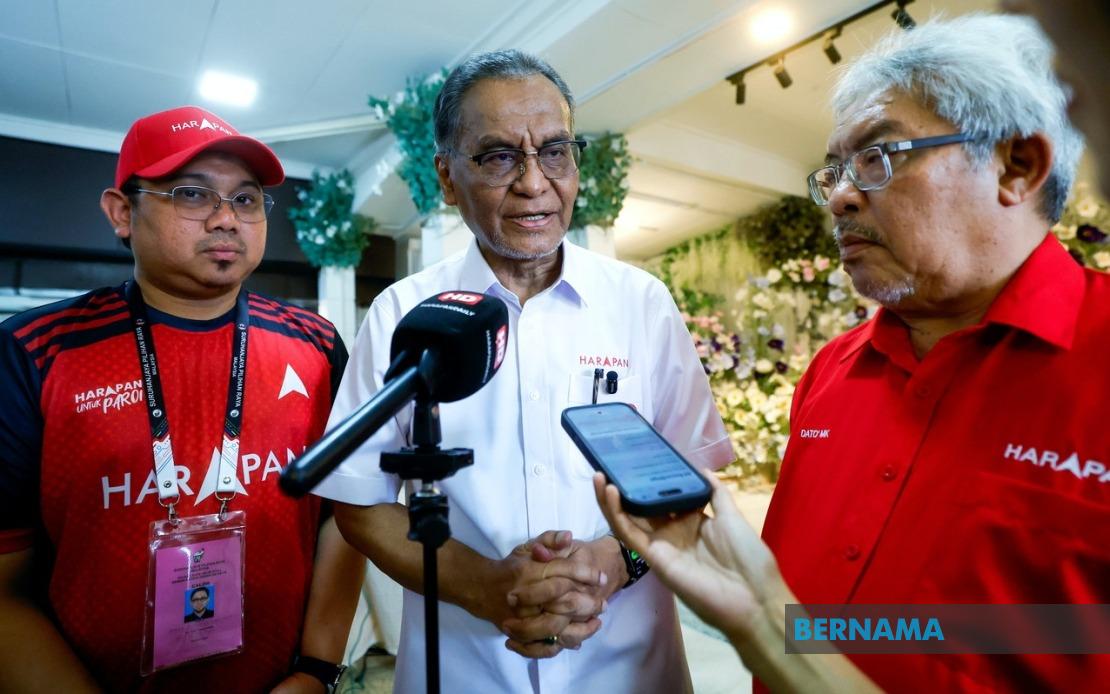
The Pakatan Harapan coalition is entering the 16th Negeri Sembilan state election with a strategy centred on showcasing its governance record and the credibility of its candidates in solving real community problems. Parti Amanah Negara will field nine candidates as part of PH's broader 36-seat campaign, with the remaining constituencies distributed between Parti Keadilan Rakyat and the Democratic Action Party according to the coalition's pre-agreed electoral arrangement. This represents a calculated approach to maintaining PH's grip on the state, which the coalition captured in the 2023 elections with 17 seats compared to Barisan Nasional's 14 and Perikatan Nasional's five.
Amanah vice-president Datuk Seri Dr Dzulkefly Ahmad has articulated a campaign philosophy that deliberately distances the party from populist or sensationalist messaging. Instead, Amanah's messaging prioritizes demonstrating that the component party and its candidates possess the proven capacity to deliver tangible improvements in residents' daily lives. This positioning reflects a broader recognition within PH that merely defending a government's record requires substantive evidence rather than rhetorical flourishes, particularly in a state where voters witnessed the transition from Barisan Nasional to a reformist coalition in relatively recent electoral history.
The choice to emphasize administrative competence and problem-solving ability marks a departure from typical election campaign theatre. Rather than relying on large rallies or high-decibel messaging, Amanah's strategy incorporates smaller community gatherings, direct door-to-door engagement, and digital communication channels designed to establish genuine dialogue with voters. This methodological approach serves a dual purpose: it allows candidates to identify specific grievances affecting particular neighbourhoods while simultaneously building personal connections that may translate into electoral support based on demonstrated responsiveness rather than partisan appeals.
Within this framework, each of Amanah's nine candidates brings particular credentials and track records. The incumbent Datuk Bakri Sawir defends the Klawang seat, while the party has fielded candidates across constituencies including Serting, Lenggeng, Senaling, Johol, Kota, Bagan Pinang, and Gemencheh. The deliberate selection of candidates with established community service histories reflects Amanah's conviction that voter confidence flows from observable performance in constituency work and responsiveness to local concerns rather than party affiliation alone.
In the Paroi state constituency, which encompasses more than 65,000 registered voters and approximately 140,000 residents, PH's candidate Ahmad Shahir Mohd Shah has identified small-trader empowerment as a priority should voters grant him the mandate. His proposed initiatives centre on simplifying business licensing procedures and coordinating with local authorities to provide essential infrastructure and upgrade commercial areas. This focus on micro-enterprise development reflects understanding of economic anxieties affecting the trader community, a constituency that often feels squeezed between large corporate interests and regulatory burdens.
The Paroi constituency itself presents a microcosm of the broader electoral dynamics in Negeri Sembilan. With its substantial voter base spanning diverse socioeconomic backgrounds and geographic areas, the seat demands representation capable of navigating relationships with multiple municipal authorities and coordinating solutions to infrastructure, business, and service-delivery issues. Candidates highlighting this coordinative capacity and community-focused problem-solving approach are positioning themselves as pragmatic representatives rather than ideological advocates, a framing that appears calculated for moderate, swing-prone voters.
Amanah's campaign infrastructure emphasizes systematic identification of constituent concerns before routing them through relevant government agencies for resolution. This mechanism transforms campaign activity into a form of ongoing governance accountability, where the party essentially uses electoral engagement to audit government performance in real time and demonstrate responsiveness to identified gaps. For voters, this approach potentially creates tangible follow-up expectations, converting campaign promises into mechanisms for tracking governmental delivery on specific issues.
The timing of the Negeri Sembilan election carries particular significance within Malaysia's electoral calendar. With Selangor elections looming and federal elections scheduled for 2026, this state contest functions as a testing ground for campaign messaging and coalition dynamics. PH's performance in Negeri Sembilan will offer indicators regarding whether defensive campaigns centred on administrative records resonate with voters or whether broader political currents favour alternative messages from Barisan Nasional or Perikatan Nasional.
Barisan Nasional enters this election seeking to recapture lost ground after suffering defeats in 2023, while Perikatan Nasional continues consolidating its presence in state politics. Against this competitive backdrop, Amanah's emphasis on substantive governance record and candidate credentials represents a calculated gambit that voter behaviour rewards competence and responsiveness over partisan rhetoric. The August 1 polling date will reveal whether this assessment accurately reflects Negeri Sembilan electorate preferences or whether alternative political messages possess greater resonance among state voters seeking change or alternative governance approaches.

