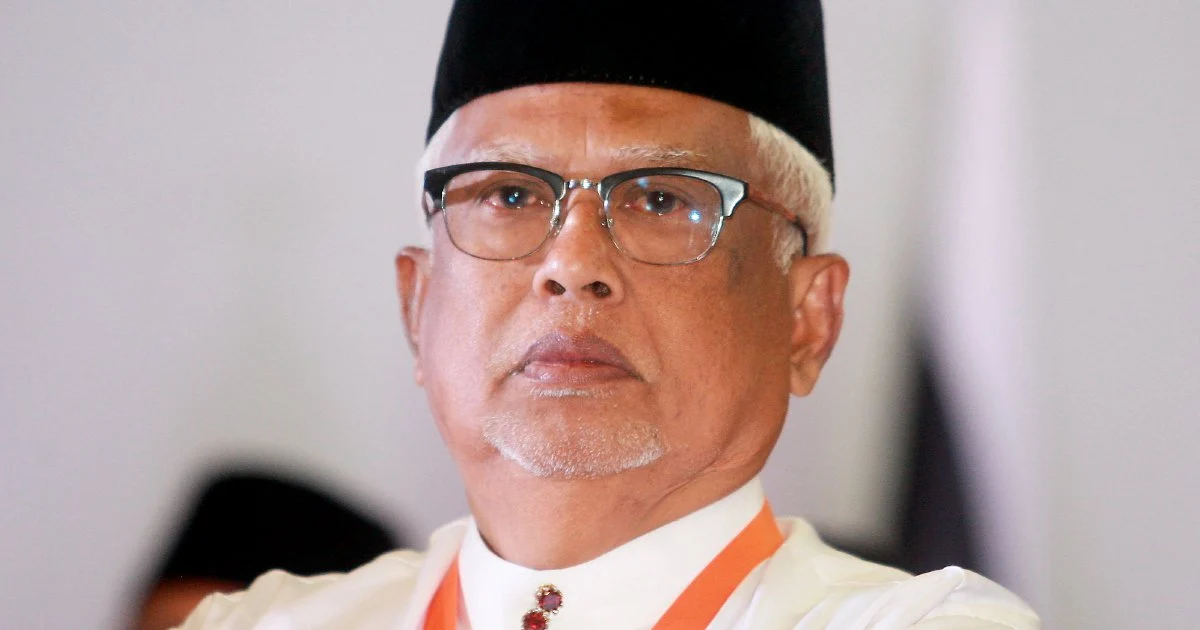
An opposition figure from Amanah has placed PAS in an awkward position by demanding clarification on why the Islamic party maintains electoral support for Bersatu in the Johor election, even as allegations of misconduct have been levelled against their shared Perikatan Nasional coalition ally. The challenge highlights growing tensions within the opposition bloc and raises questions about the consistency of political partnerships in Malaysia's volatile landscape.
The timing of this public questioning reflects deeper fissures in the broader opposition alliance. PAS has maintained its electoral partnership with Bersatu and other PN components despite what Amanah characterises as substantial grievances. These allegations, which PAS itself has previously articulated, appear to contradict the party's current willingness to share campaign platforms and voter support with the targeted party. Such apparent contradictions risk eroding the credibility of opposition unity messaging ahead of the Johor polls.
For Malaysian voters, particularly those in Johor, this internal opposition squabbling presents a confusing picture. Constituencies across the state will soon head to the ballot box expecting clarity on what opposition parties stand for and whether they can govern with coherence. Instead, the public airing of discord suggests that some opposition leaders prioritise tactical electoral arrangements over principled stances. This dynamic potentially undermines efforts to present a unified alternative to the governing coalitions.
Amanah's intervention also reflects the broader struggle within Malaysia's opposition to maintain cohesion. The multiparty opposition comprises groups with divergent ideologies, grassroots support bases, and historical grievances. PAS operates within this context while simultaneously maintaining its PN partnership, a balancing act that increasingly proves untenable when allegations surface against coalition partners. The party faces pressure from multiple directions to justify decisions that appear pragmatic but lack transparent reasoning.
The substance of the allegations against Bersatu remains significant. If PAS genuinely harbours serious concerns about its partner's conduct or governance, continuing to campaign for those candidates without public acknowledgement of past criticisms suggests either that the allegations were overstated or that electoral calculations have overridden principle. Neither scenario inspires voter confidence. Malaysian voters, already accustomed to political realignments and shifting allegiances, are increasingly sceptical of opposition parties that appear to operate according to hidden agreements rather than publicly stated values.
Johor's electoral significance amplifies these dynamics. The state remains strategically important in Malaysian politics, serving as a bellwether for broader political sentiment and offering substantial parliamentary seats. How the opposition performs in Johor will likely influence perceptions of whether opposition unity has strengthened or fractured. Internal disputes over campaign strategy and candidate selection, particularly when aired publicly, invariably weaken collective impact. Voters may perceive disunity as weakness rather than the pragmatic accommodation of diverse interests within a coalition.
The PAS position also warrants examination from a strategic perspective. The party has built considerable grassroots support in recent years and competes aggressively for both urban and rural votes. Supporting Bersatu candidates even amid controversy suggests that PAS leadership calculated electoral benefits from PN partnership outweigh reputational risks. However, this calculus may prove incorrect if opposition voters interpret such actions as inconsistency or opportunism. Amanah's public questioning may resonate with voters already harbouring doubts about PAS sincerity.
Bersatu itself occupies a peculiar position within Malaysian politics. As a relative newcomer to coalitions, the party has faced persistent questions about its legitimacy and governance record. Allegations that have surfaced presumably contain specifics that merit public clarification. Whether PAS chooses to address these allegations directly or maintain the current ambiguous position will signal whether PN partnership entails mutual protection from criticism or whether parties retain independence to challenge one another constructively.
The path forward requires greater transparency from PAS regarding its decision-making. If the party has determined that Bersatu allegations lack sufficient substance to warrant withdrawing campaign support, that reasoning should be articulated publicly. Conversely, if PAS maintains serious reservations about Bersatu conduct, those concerns should inform electoral behaviour accordingly. Johor voters deserve clarity on what opposition parties genuinely believe and whether stated principles guide their political behaviour.
Regionally, Malaysia's opposition dynamics command attention. Neighbouring democracies navigate coalition politics through public dialogue and transparent criteria for partnership. Malaysian opposition groups could enhance legitimacy and voter confidence through similar approaches. The current pattern of internal disputes aired selectively in media cycles reinforces perceptions that opposition politics remains opaque and transaction-driven rather than principle-based. Addressing Amanah's challenge directly offers PAS an opportunity to demonstrate maturity and commitment to principled governance, qualities voters will assess carefully before casting ballots in Johor.

