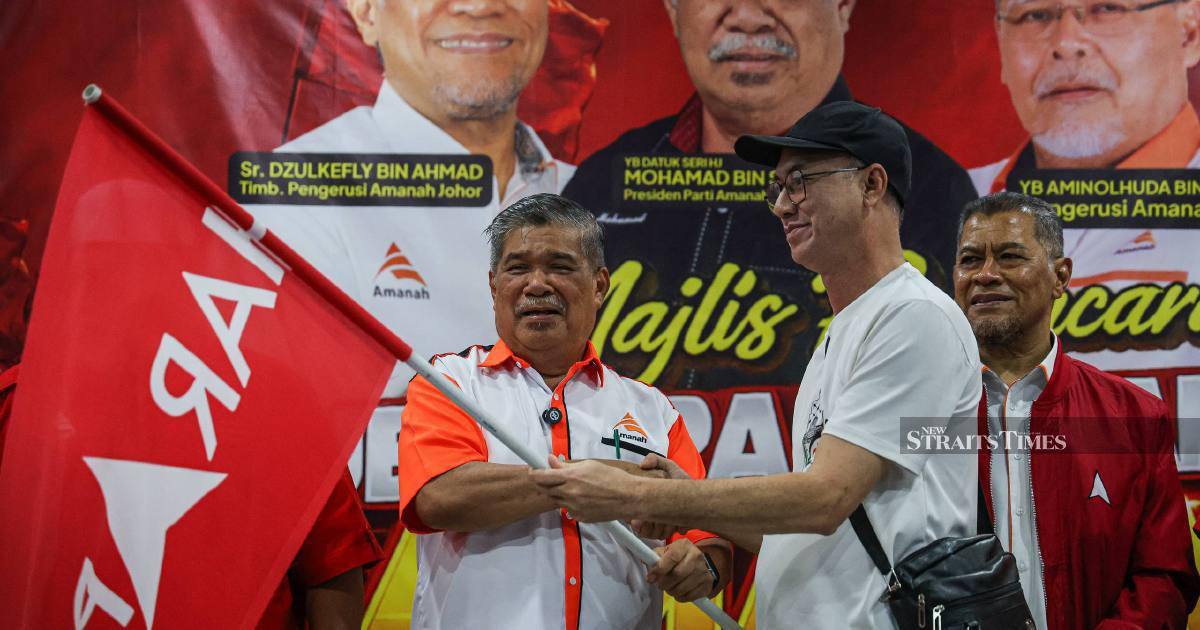
Amanah has committed to fielding 13 fresh political candidates as part of a wider electoral strategy for the Johor state election scheduled for July 11, according to statements from party leadership. The party will present a total of 19 candidates across the state, marking a significant generational shift in its engagement with voters in one of Malaysia's largest and most politically competitive states.
This move reflects broader strategic thinking within Amanah regarding political renewal and voter appeal. By introducing thirteen new faces—approximately two-thirds of its overall candidate roster—the party appears to be betting on the electoral potency of fresh political talent and personalities without the baggage of previous electoral disappointments or lengthy parliamentary histories. The emphasis on new candidates aligns with a pattern of political renewal sweeping across Malaysian opposition coalitions, where experienced figures are sometimes paired with emerging voices to balance institutional knowledge with youthful momentum.
Johor represents crucial electoral terrain for Amanah and its potential coalition partners. As Malaysia's second-largest state by population and a traditional stronghold of competitive Malaysian politics, Johor often sets the tone for national political sentiment. The state election therefore carries significance well beyond its local boundaries, functioning as a barometer for broader dissatisfaction or satisfaction with federal governance and the performance of opposition alliances.
The timing of Amanah's candidate announcement reflects the intensifying political calendar in Malaysia's electoral cycle. With the election set for July 11, political parties have been rapidly finalizing their nominations and campaign strategies. Amanah's decision to favour new candidates suggests confidence in their ability to connect with voters who may feel disconnected from traditional political establishments, whether within ruling coalitions or conventional opposition structures.
Context around Amanah's electoral positioning is important for understanding this move. The party, which emerged as a moderate Islamic opposition presence, has historically struggled to achieve the electoral breakthrough its leadership envisions. Johor has been a particular challenge, with the state remaining dominated by coalition politics despite pockets of opposition support. By refreshing its candidate lineup, Amanah may be attempting to signal to voters that the party is not merely recycling familiar figures but genuinely investing in community representatives who offer different perspectives or demographic profiles.
The selection of new candidates also raises questions about party internal dynamics and candidate nomination processes. In Malaysian politics, the process of selecting candidates often reflects underlying power structures and factional interests within parties. Amanah's emphasis on new faces could indicate either a deliberate strategic choice by party leadership or the result of internal negotiations where newer voices gained prominence in party councils responsible for vetting and approving candidates.
For voters in Johor, the presence of new candidates creates both opportunities and uncertainties. New political candidates often lack established track records, making it difficult for voters to assess their actual policy commitments or competence in governance roles. However, they may also represent freedom from previous disappointments or controversial positions taken by more experienced political figures. This paradox—the appeal of freshness weighed against the risks of political inexperience—will likely shape voter calculations throughout the campaign period.
Amanah's approach also reflects broader demographic shifts within Malaysia's electorate. Younger voters, who constitute an increasing proportion of the voting population, may respond positively to candidates closer to their own ages or representing generational perspectives on governance priorities. If Amanah's new candidates tend to skew younger or represent previously marginalized communities, this could potentially unlock voter segments that have either abstained from previous elections or voted inconsistently.
The July 11 election will test whether Amanah's candidate strategy pays electoral dividends. The party's performance in Johor could provide valuable lessons about the electoral viability of rapid candidate renewal as a political strategy. If Amanah's slate performs strongly, other opposition parties facing their own electoral challenges may follow suit. Conversely, if new candidates struggle against more entrenched political competitors, parties may reconsider the balance between experienced and fresh political talent.
Coalition dynamics will also influence how Amanah's candidates perform. Whether Amanah contests in formal or informal alliances with other opposition parties—particularly Pakatan Harapan components—will significantly affect vote distribution and realistic winning prospects in individual constituencies. Johor's electoral geography creates winner-take-all dynamics where coalition coordination becomes crucial to preventing vote splitting that benefits ruling coalition candidates.
Looking forward, Amanah's investment in new candidates represents a longer-term strategic gamble on party renewal and sustainability. Political parties in Malaysia increasingly recognize that maintaining electoral competitiveness requires periodically refreshing their candidate profiles and broadening their coalition of supporters. Amanah's Johor approach, if successful, could establish a template for future state and federal elections where the party seeks to expand its footprint beyond its traditional support bases.
The specific geographic distribution of these thirteen new candidates across Johor's constituencies has not been detailed, though this information will become significant once official nomination results are announced. The party's targeting decisions—whether new candidates concentrate in competitive battleground areas, safe opposition zones, or challenging ruling coalition strongholds—will reveal much about Amanah leadership's realistic electoral expectations for the state election.

