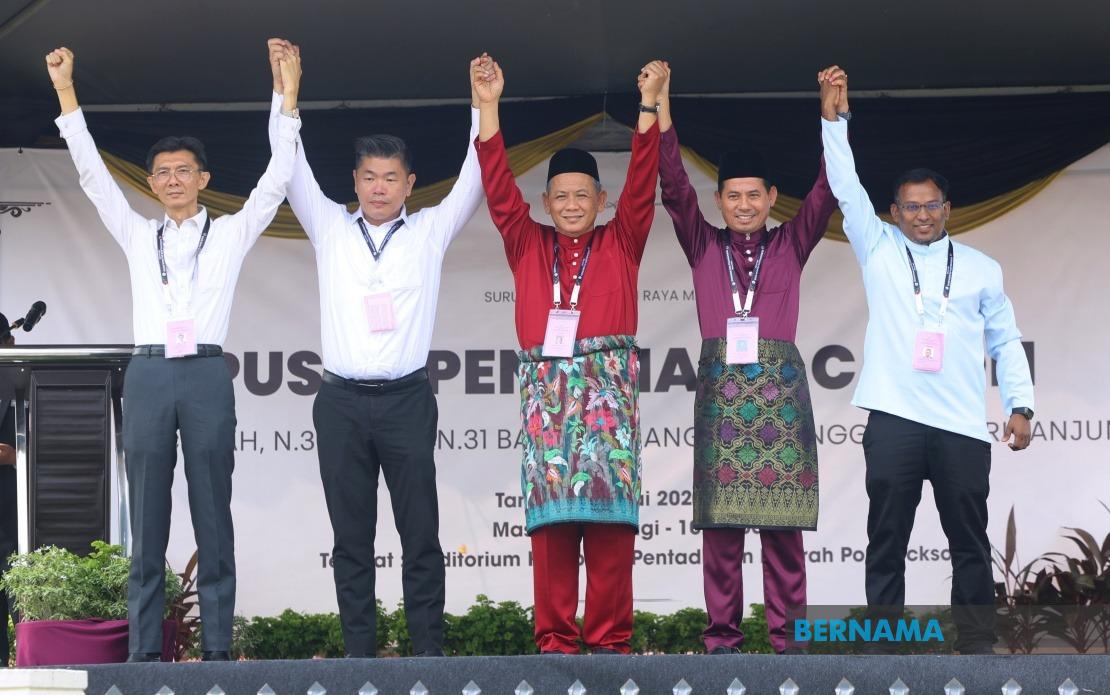
Negeri Sembilan Menteri Besar Datuk Seri Aminuddin Harun has pledged substantial infrastructure development for the Linggi state constituency, proposing the construction of a new port and industrial zone as centrepieces of his election platform. Speaking at the nomination ceremony in Port Dickson on July 18, Aminuddin positioned these projects as anchors within a comprehensive economic revitalisation strategy designed to bolster investor confidence and livelihood prospects across the constituency. The announcement represents a deliberate attempt by Pakatan Harapan to challenge conventional political alignments in what has historically been a Barisan Nasional stronghold.
The proposed port and industrial development scheme reflects growing recognition among political players that Negeri Sembilan requires tangible infrastructure improvements to remain competitive within Malaysia's regional economic landscape. Port Dickson, while possessing historical significance as a maritime hub, has faced competition from better-capitalised facilities in neighbouring states. An expanded port facility could potentially redirect commercial activity and manufacturing operations back to the area, offering locals employment in logistics, shipping, and related services. The complementary industrial zone would likely attract manufacturing and processing enterprises seeking to capitalise on enhanced port connectivity, creating a clustering effect that Aminuddin appears to be banking on as a vote-winning economic narrative.
Aminuddin's strategic framing of these projects reveals sophisticated campaign positioning. By emphasising infrastructure development rather than merely distributing patronage or making populist pledges, the Pakatan Harapan leadership is attempting to elevate electoral discourse around substantive economic transformation. This approach targets not only working-class voters seeking employment but also small business owners and traders who might benefit from improved port facilities and industrial clustering. The Menteri Besar personally advanced the proposal to party leadership, according to his remarks, suggesting genuine commitment rather than superficial electioneering, though the timing so close to the election naturally raises questions about implementation feasibility and funding mechanisms.
The three-cornered contest presents Aminuddin with formidable obstacles. The incumbent Datuk Mohd Faizal Ramli commands the institutional advantages of representing the Barisan Nasional coalition, which has historically dominated Negeri Sembilan politics through established networks and resource allocation mechanisms. Bersatu's Datuk Zamri Md Said enters as a potential spoiler, potentially fragmenting the Bumiputera-focused vote in what remains a demographically conservative constituency. Nevertheless, Aminuddin expressed confidence that Pakatan Harapan's organisational capabilities could overcome these structural disadvantages, suggesting that his personal standing and the concrete nature of his development proposals might resonate with voters fatigued by conventional politics.
Mohd Faizal's measured response, while acknowledging Linggi's traditional association with Barisan Nasional, indicated that the incumbent recognises competitive pressure in what might have previously seemed a safe seat. His appeal for a campaign conducted without excessive personal attacks or unsubstantiated allegations suggests concern about the toxicity factor in contemporary Malaysian electoral contests. The tone of restraint contrasts with more combative political rhetoric elsewhere, possibly reflecting Port Dickson's character as a more established, middle-class constituency where voters may penalise inflammatory campaigning. His acknowledgement that even strongholds require active defence signals shifting political dynamics that even the ruling coalition appears to acknowledge.
The August 1 polling date provides a relatively compressed two-week campaign window for Aminuddin to build momentum and persuade swing voters that Pakatan Harapan represents superior economic stewardship. Infrastructure development pledges carry particular weight in constituencies where manufacturing and port-related activities form significant components of the local economy. Workers in Port Dickson's maritime and logistics sectors may respond positively to proposals framed as expanding their industry rather than managing decline or relying on resource redistribution. This economic materiality distinguishes Aminuddin's campaign from purely political or identity-based appeals.
For the broader Malaysian political context, the Linggi contest reflects broader erosion of traditional electoral coalitions. Barisan Nasional's near-monopoly on Negeri Sembilan politics has weakened considerably since 2018, and serious challenges in what were previously safe seats suggest the coalition cannot take peninsular heartland support for granted. Pakatan Harapan's willingness to contest vigorously across multiple constituencies indicates strategic confidence that anti-establishment sentiment remains potent even in seemingly conservative areas. The presence of Bersatu, formerly part of the Mahathir administration before joining the government coalition, adds ideological muddiness to the contest, potentially confusing voters regarding which force represents genuine change versus established power.
The proposed port and industrial development, should Aminuddin prevail, would require substantial capital allocation from the Negeri Sembilan state government budget or federal funding agreements. Implementation timelines and financing mechanisms remain unspecified, raising legitimate questions about whether these projects represent concrete commitments or campaign rhetoric designed for immediate electoral consumption. Nevertheless, the specificity of the proposal—naming concrete infrastructure rather than vague economic improvement—suggests at minimum serious consideration within Pakatan Harapan's planning apparatus. Port development projects typically require years of planning, environmental assessment, and regulatory approvals, meaning any successful candidate would immediately face pressure to demonstrate tangible progress.
Regional implications extend beyond Negeri Sembilan's borders. Port competition along the western coast of Peninsular Malaysia remains intense, with facilities in Selangor, Perak, and Johor all vying for container traffic and industrial investment. A rejuvenated Port Dickson operation could rebalance regional freight distribution, particularly if coupled with improved road and rail connections. For Malaysian manufacturers seeking port alternatives to congested Klang or Johor facilities, enhanced options in Negeri Sembilan might improve supply chain efficiency and reduce logistics costs. These broader economic dimensions give Aminuddin's proposal credibility beyond mere electoral posturing.
The Linggi contest ultimately encapsulates broader patterns reshaping Malaysian electoral competition. Traditional strongholds face genuine challenge when opposition coalitions articulate coherent economic development agendas anchored in infrastructure rather than patronage. The August 1 election will reveal whether constituency voters prioritise continuity with Barisan Nasional's established governance model or embrace Pakatan Harapan's growth-oriented infrastructure narrative. For Aminuddin, success requires converting development proposals into perceived momentum, demonstrating that Pakatan Harapan can deliver tangible benefits rather than merely offering political alternatives to incumbent ruling coalitions.

