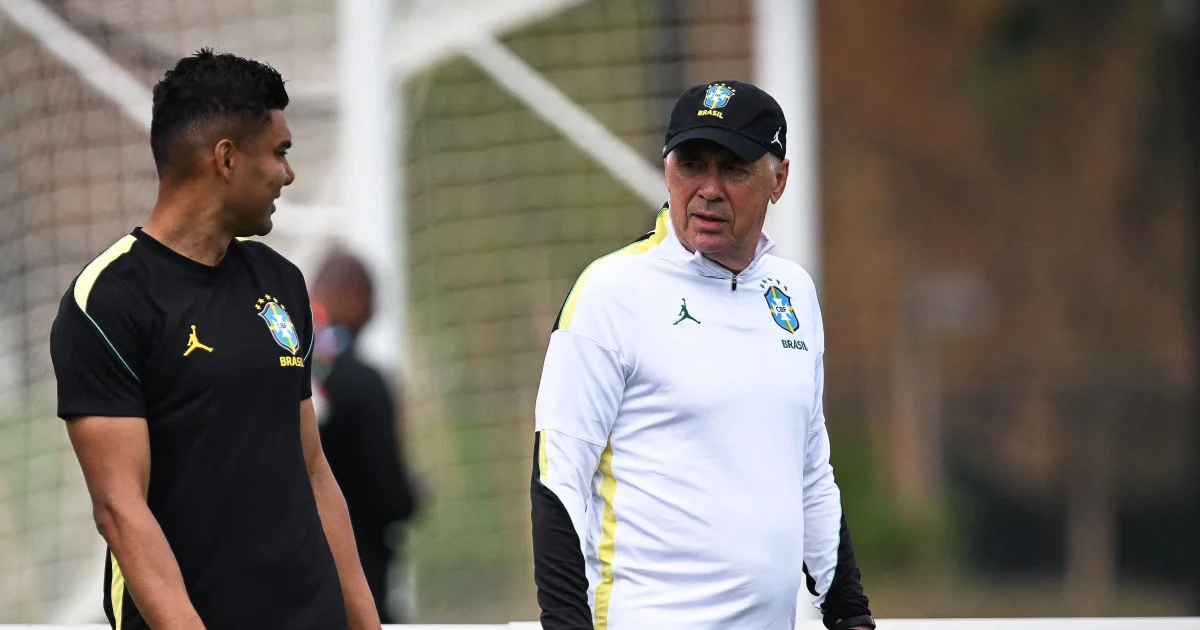
Brazil's World Cup campaign has begun on an unexpectedly uncertain note, but coach Carlo Ancelotti is maintaining his composure and reframing the upcoming encounter with Haiti as a crucial reset moment rather than a cause for alarm. After opening their Group C campaign with a 1-1 draw against Morocco in Philadelphia, the Seleção face a makeshift fixture on Friday that offers them a genuine chance to recalibrate their approach and erase the defensive vulnerabilities that emerged during their first match.
Ancelotti's measured response to Brazil's stalemate reflects both his experience and his assessment of what went wrong against Morocco. Rather than overreacting to the disappointing result, he has identified specific areas requiring attention before the squad confronts stiffer challenges ahead in the group stage. The draw exposed defensive frailties and a lack of cutting edge in attack that need corrective attention, particularly given the heightened expectations surrounding a squad brimming with technical talent and attacking prowess.
The significance of Friday's test cannot be overstated, as Haiti presents both an opportunity and a test of Brazil's ability to learn from setbacks. While the disparity in quality between the two nations should theoretically produce a Brazilian victory, Ancelotti recognises that complacency could compound the difficulties already evident. The Haiti match serves as a practical laboratory where Brazil can experiment with formations, player combinations, and tactical adjustments without the pressure of facing another strong European or South American opponent.
Morocco's resilience in the opening match demonstrated that even teams considered underdogs can pose significant problems through disciplined defensive organisation and tactical sophistication. The North African side's willingness to press high and their solid defensive shape created persistent problems for Brazil's midfield, preventing the customary rhythm and ball circulation that characterises their best football. Understanding how to break down such organised resistance has become essential learning as the tournament progresses.
Ancelotti's calm demeanour during this critical juncture speaks to his track record managing elite teams through periods of adjustment. Throughout his career at clubs including Real Madrid, Bayern Munich, and Everton, the Italian tactician has demonstrated an ability to solve tactical puzzles while maintaining squad confidence and psychological equilibrium. His refusal to panic after one match reflects confidence in his diagnostic abilities and his players' capacity to execute necessary corrections.
For Malaysian and Southeast Asian observers, Brazil's early struggles offer valuable context about how even the highest-ranked teams must navigate tournament football's unpredictability. The draw with Morocco underscores that possession and pedigree alone guarantee nothing; structured defence and counter-attacking acuity have become equally decisive factors in modern football. These lessons resonate particularly for emerging football nations in the region seeking to understand how elite teams operate under pressure.
The Haiti fixture also presents Brazil with an opportunity to build momentum and goal difference, metrics that often prove decisive in tightly contested group stages. A convincing performance against the Caribbean nation would substantially ease the pressure surrounding their group progression and allow Ancelotti greater flexibility in team selection for subsequent matches. Should they stumble again, however, the psychological pressure would mount considerably heading into later group fixtures.
Ancelotti's personnel decisions in training this week will prove revealing about which adjustments he believes most pressing. Whether he opts to modify his defensive structure, adjust midfield balance, or reshape his attacking approach entirely will signal his diagnosis of Morocco's disruption. The coaching staff's capacity to identify which flaws represented genuine structural problems versus isolated lapses could determine whether Friday sees a quick fix or the beginning of a more fundamental recalibration.
Brazil's attacking talent remains formidable, and Haiti's defensive capabilities bear no comparison to Morocco's organised shape. This mismatch should theoretically translate into comfortable possession and multiple scoring opportunities. However, the psychological element of responding positively to disappointment often matters more than pure quality gaps. Ancelotti's steadiness in projecting confidence without complacency provides his squad the necessary psychological framework to convert dominance into results.
The coach's experience handling pressure situations across multiple elite European clubs positions him well to steer Brazil through this delicate juncture. His reputation for calm authority means players will respond to his tactical adjustments with professional execution rather than panic or doubt. This stability becomes invaluable when navigating the tournament's psychological volatility, where perception of momentum can influence confidence and performance as substantially as actual quality differences.
Beyond Friday's immediate challenge, Brazil's Group C trajectory depends upon consolidating advantages gained against weaker opposition while performing capably against stronger rivals. The Haiti match represents the former category, offering essential opportunity to rebuild confidence and test corrective measures in a lower-stakes environment. Ancelotti's refusal to catastrophise the Morocco result, combined with his pragmatic identification of fixable problems, suggests Brazil will emerge from Philadelphia with renewed clarity about their path forward through the tournament.

