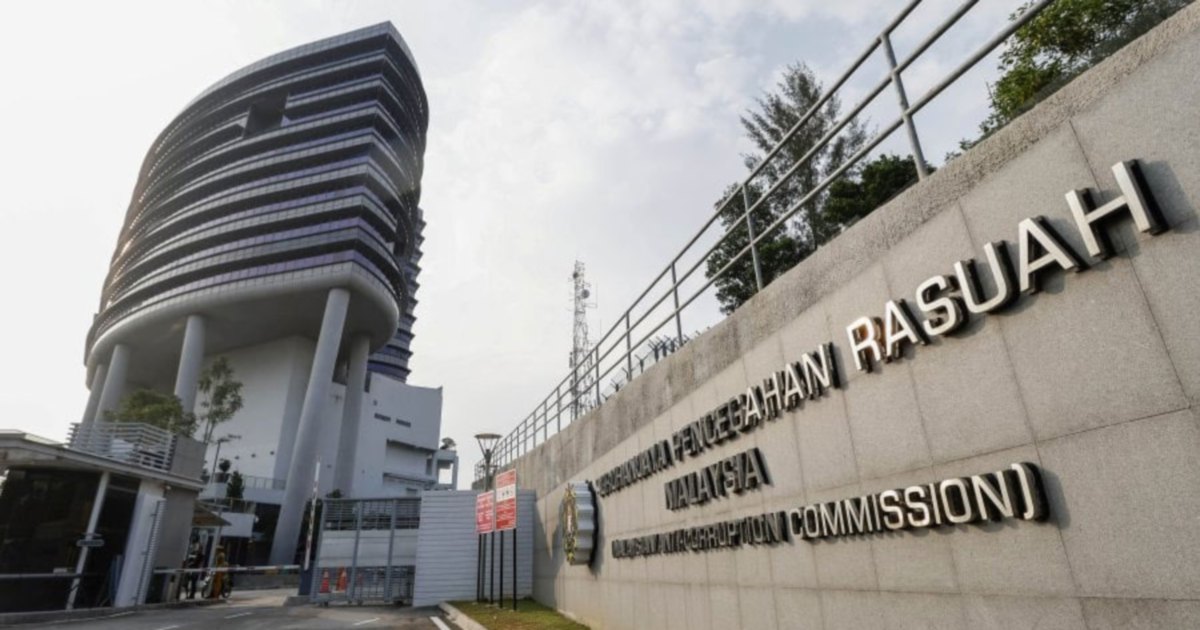
The Malaysian Anti-Corruption Commission (MACC) has stepped up its scrutiny of a major investment gone wrong, conducting an onsite investigation at the Retirement Fund Inc (KWAP) headquarters in Kuala Lumpur this week as authorities examine the circumstances surrounding an alleged RM200 million loss incurred by the sovereign wealth fund. The probe marks an intensification of official interest in how KWAP, which manages retirement savings for government employees, deployed substantial capital into eFishery, an Indonesian-based aquaculture technology venture.
The loss represents a significant financial setback for KWAP, whose primary responsibility is safeguarding the long-term retirement security of Malaysia's civil service workforce. With funds entrusted to KWAP serving as the bedrock of retirement planning for hundreds of thousands of government workers and their families, questions surrounding investment decisions that resulted in such substantial capital depletion carry profound implications for public sector confidence and financial stewardship. The scale of the alleged loss—equivalent to several hundred million ringgit in purchasing power—underscores the gravity with which authorities are treating the matter.
eFishery had positioned itself as a transformative force in Southeast Asian aquaculture, leveraging technology to modernise fish farming operations across Indonesia and the wider region. The company's expansion narrative and technological promises evidently appealed to institutional investors seeking exposure to agricultural technology and emerging market growth opportunities. However, the investment's deterioration suggests that due diligence frameworks, risk assessment protocols, or ongoing portfolio monitoring may not have functioned as intended, prompting MACC's involvement to determine whether procedural failures or misconduct contributed to the outcome.
The decision to involve the anti-corruption body rather than limiting the investigation to financial or regulatory authorities indicates that preliminary findings or allegations may have flagged potential governance violations or irregular conduct in how the investment was approved, managed, or subsequently handled. MACC's mandate extends beyond conventional fraud to encompass abuse of authority and breaches of fiduciary duty, suggesting that investigators are examining whether decision-makers exercised appropriate diligence or whether conflicts of interest, patronage networks, or undue pressure influenced investment choices.
For Malaysian institutional investors and fund managers, the KWAP-eFishery episode carries cautionary lessons about international investment exposure and the particular risks associated with technology ventures in emerging markets. Southeast Asian startup ecosystems, while dynamic and innovation-rich, operate with varying regulatory maturity and corporate governance standards compared to developed markets. Even well-intentioned investment committees can face considerable difficulty in validating business models, competitive positioning, and financial projections offered by ambitious companies operating across borders with limited transparent reporting.
The timing and structure of KWAP's eFishery investment warrants closer examination within the broader context of Malaysia's institutional investment landscape. Government-linked funds, sovereign wealth vehicles, and public pension managers face mounting pressure to generate competitive returns while balancing risk considerations and societal expectations. This tension can sometimes lead institutions toward higher-risk, higher-potential-reward opportunities that, in hindsight, proved poorly conceived or inadequately vetted. The investigation may illuminate whether systemic pressures or governance gaps within KWAP's investment decision-making infrastructure contributed to the capital loss.
Indonesia's aquaculture sector represents genuine economic opportunity, with rising global seafood demand and technological advancement creating legitimate avenues for competitive advantage. However, the investment's failure raises questions about how Malaysian institutions evaluate foreign opportunities and whether sufficient mechanisms exist for ongoing performance monitoring and early warning signals that might prompt corrective action before losses cascade. The episode reflects broader challenges facing institutional investors attempting to balance innovation exposure with prudential risk management.
The MACC investigation will likely examine documentation surrounding investment approval, due diligence reports, board deliberations, and communications between KWAP officials and eFishery representatives. Investigators will also scrutinise whether appropriate independent valuation was conducted, whether conflicts of interest existed, and whether any individuals may have benefited improperly from the transaction or subsequently failed to disclose deteriorating conditions. The scope extends beyond KWAP to potentially encompass advisors, intermediaries, or related parties involved in the transaction structure.
For Malaysian civil servants whose retirement savings ultimately derive from KWAP's investment performance, this investigation carries direct personal significance. The fund's fiduciary obligations demand not merely legal compliance but genuine stewardship characterised by prudent decision-making, transparent governance, and accountability for outcomes. Public sector employees rightfully expect that institutions managing their retirement security operate according to rigorous standards reflecting the trust reposed in them.
The investigation's eventual findings and any consequent recommendations will likely influence how Malaysian institutional investors approach international emerging market allocations, particularly in technology-enabled ventures where business models remain unproven and financial transparency varies. Strengthened governance frameworks, enhanced due diligence protocols, and more robust ongoing monitoring mechanisms may emerge as institutional imperatives. Additionally, the episode underscores the necessity for fund management bodies to maintain clear separation between investment decisions and potential conflicts of interest, ensuring that capital deployment reflects genuine strategic assessment rather than external influence or inadequately scrutinised relationships.
As MACC pursues its investigation, stakeholders throughout Malaysia's investment community will be watching closely for revelations about institutional failures, individual misconduct, or systemic vulnerabilities that permitted such substantial capital loss. The outcome may catalyse important reforms in how public funds approach international investing, particularly in jurisdictions and sectors where oversight mechanisms remain less developed than domestic alternatives.

