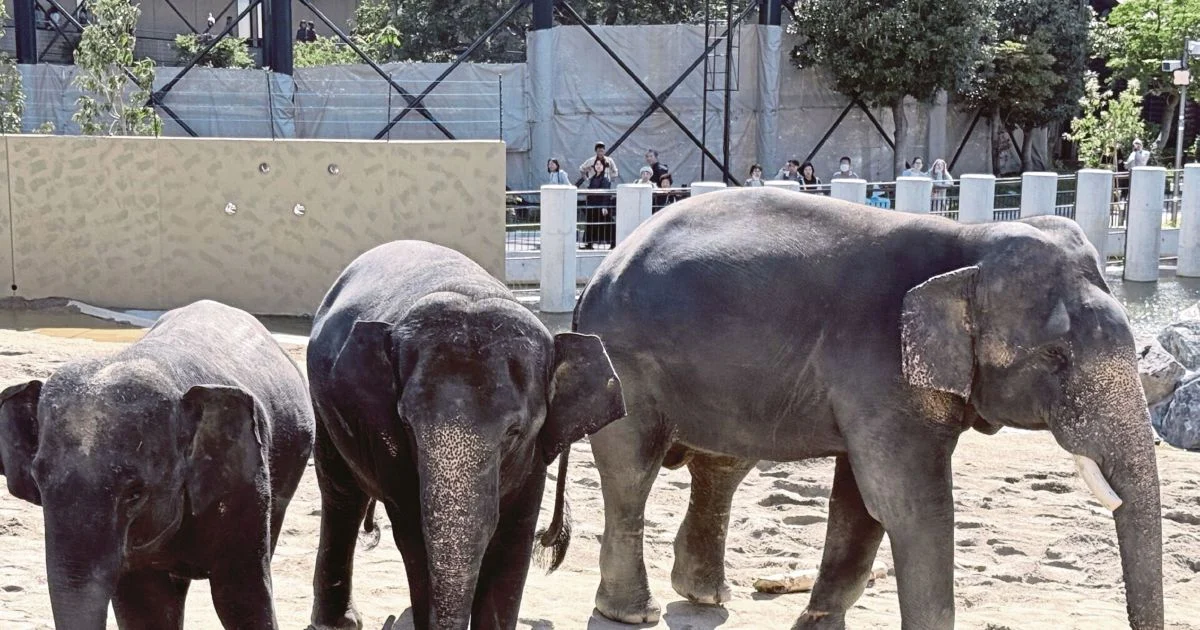
The Malaysian Anti-Corruption Commission (MACC) has opened a formal investigation into the relocation of three Asian elephants from Zoo Taiping to Tennoji Zoo in Osaka, Japan, marking a significant development in what has become a contentious wildlife management decision. The probe represents the latest official scrutiny into arrangements that have drawn public concern and triggered broader discussions about governance standards in managing Malaysia's protected animal collections and international wildlife cooperation agreements.
The transfer of these three elephants has become emblematic of deeper questions surrounding decision-making processes at Malaysia's zoos and the oversight mechanisms governing international animal exchanges. Zoo Taiping, located in Perak and historically one of Southeast Asia's oldest zoological institutions, houses one of the region's most significant elephant populations. Any decision involving the relocation of these animals carries substantial implications for conservation efforts and animal welfare considerations throughout the country.
The MACC's intervention suggests that officials or stakeholders have raised concerns regarding the procedures followed in arranging the elephant transfer. Such investigations typically examine whether proper approvals were obtained, whether competitive bidding or selection processes occurred, and whether any potential conflicts of interest or improper influence may have affected the decision-making. The commission's involvement underscores the seriousness with which authorities are treating questions about how this international animal exchange was negotiated and approved.
Tennoji Zoo, situated in Osaka's bustling urban environment, operates as one of Japan's major zoological facilities. The arrangement between Malaysian and Japanese zoo authorities would have required coordination between multiple government agencies, wildlife management bodies, and international animal welfare organisations. Understanding the full scope of negotiations and approvals becomes crucial when examining whether established protocols were properly observed throughout the process.
Zoo management across Malaysia operates under various regulatory frameworks at federal and state levels, creating a complex governance structure. Perak's Taiping Zoo falls under specific administrative oversight, and any international animal transfer would theoretically require clearances from wildlife authorities, possibly the Ministry of Natural Resources and Environmental Sustainability, and other relevant governmental bodies. The investigation will likely examine whether these procedural steps were completed with appropriate documentation and transparency.
Public interest in animal welfare has intensified significantly across Malaysia and the broader Southeast Asian region in recent years. Conservation-minded citizens and animal protection advocates have become increasingly vocal about ensuring that decisions affecting endangered or vulnerable species are made through rigorous, transparent processes that prioritise both animal welfare and scientific merit. The elephant transfer has resonated with these constituencies, particularly given concerns about whether such moves serve legitimate conservation or research objectives.
Asian elephants, classified as endangered under international conservation listings, represent a critical focus for both regional and global wildlife preservation efforts. Malaysia maintains significant populations of these animals, both in protected reserves and in managed facilities like zoos. Decisions regarding their relocation carry symbolic weight within conservation circles and influence how Malaysia is perceived as a steward of its natural heritage and wildlife resources.
The MACC's investigation into this matter reflects broader governmental attention to transparency and proper procedures in public institutions. Zoo Taiping, as a state-managed facility, falls under public sector scrutiny, and the commission's involvement signals that accountability standards are being applied to administrative decisions in this sector. The outcome of this investigation could establish important precedents for how future wildlife management decisions are evaluated and approved.
International animal exchanges, when conducted properly, can serve legitimate purposes including genetic diversity management, research collaboration, and breeding programmes for endangered species. However, such arrangements must be conducted through established scientific protocols and transparent selection processes to maintain public confidence. The investigation will clarify whether the elephant transfer followed accepted international best practices or whether procedural shortcuts may have occurred.
For Malaysian readers and Southeast Asian observers, this investigation carries implications extending beyond the specific case. It demonstrates that governmental institutions are willing to scrutinise decisions affecting the country's wildlife assets and publicly-owned facilities. The MACC's involvement also illustrates how anti-corruption frameworks increasingly engage with questions of institutional governance and administrative propriety across diverse sectors, not merely financial irregularities in the traditional sense.
The zoo's operations and the broader Malaysian zoo sector face ongoing questions about modernisation, international standards compliance, and the balance between public access and conservation ethics. This investigation occurs within that context, potentially influencing how future decisions are made regarding animal welfare, international cooperation, and resource allocation within Malaysian zoos. The findings could prompt reviews of existing protocols and approval mechanisms.
Stakeholders including animal welfare organisations, conservation groups, and the general public await clarity on what the MACC's investigation reveals about the elephant transfer's approval process. The conclusions may influence public confidence in institutional decision-making and potentially lead to strengthened oversight mechanisms for future international wildlife arrangements involving Malaysian facilities.
As the investigation progresses, it will provide insight into how Malaysia manages the intersection of public institutional governance, wildlife stewardship, and international relationships. The outcome will likely resonate beyond Zoo Taiping itself, affecting how zoos, wildlife authorities, and government agencies approach similar decisions in coming years.

