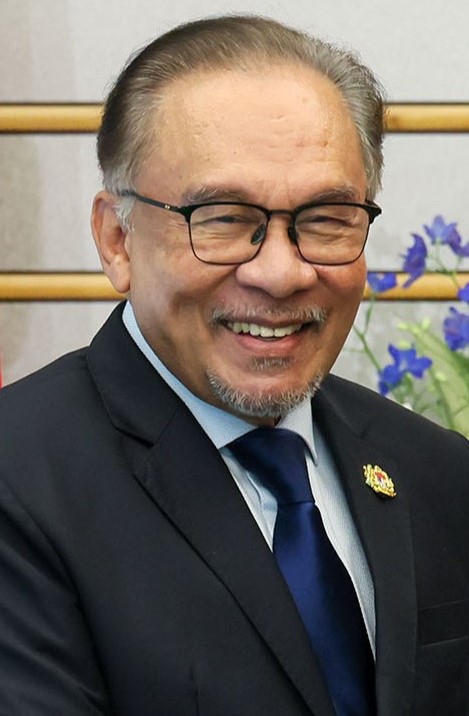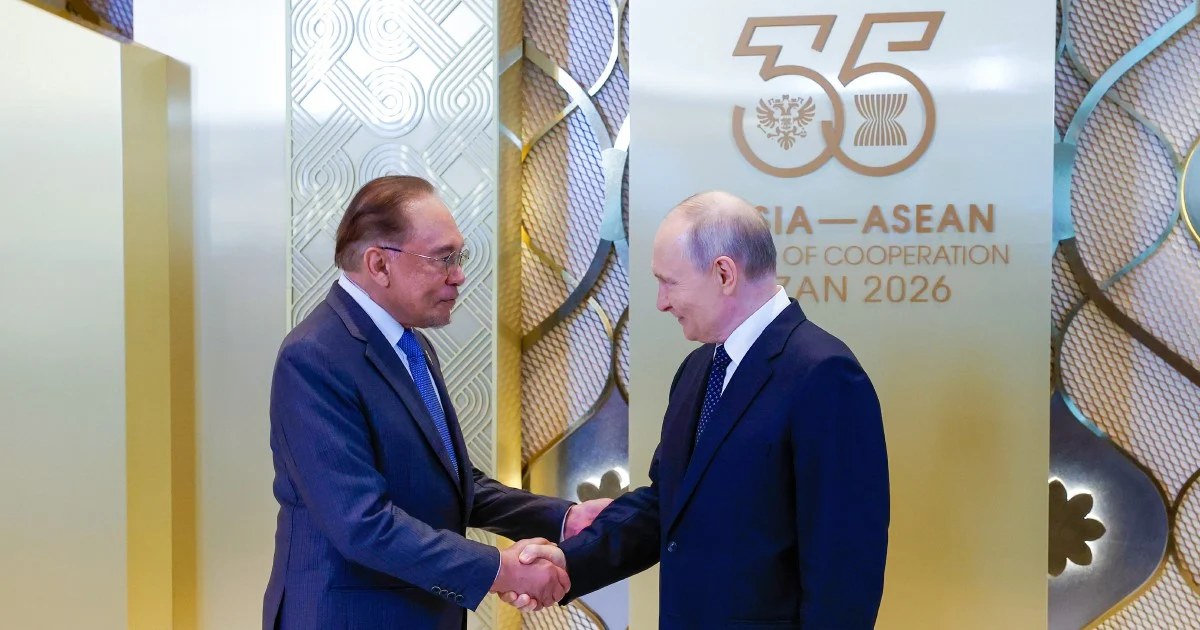
Prime Minister Datuk Seri Anwar Ibrahim has outlined Malaysia's commitment to deepening strategic ties with Russia through a wide-ranging discussion with President Vladimir Putin that centred on energy security and economic partnership. The bilateral engagement, which took place in Kazan, reflects growing momentum in Malaysia-Russia relations as both nations seek to diversify their international partnerships and strengthen cooperation across multiple sectors relevant to regional stability and economic growth.
Energy security emerged as a focal point of the discussions between the two leaders, underscoring Malaysia's strategic imperative to secure reliable sources of energy for its expanding economy. As a nation grappling with rising energy demands stemming from industrialisation and population growth, Malaysia recognises Russia's substantial position as a global energy producer. The conversation around energy cooperation signals Malaysia's pragmatic approach to diversifying its energy portfolio beyond traditional suppliers, a move that carries particular significance for Southeast Asia's broader energy security landscape. This diversification strategy becomes increasingly important as geopolitical tensions and supply chain vulnerabilities threaten conventional energy pathways.
Beyond the energy sector, both leaders explored avenues for expanding bilateral trade and investment. The discussions encompassed various dimensions of economic cooperation, reflecting Malaysia's broader foreign policy objective of building multifaceted relationships with major powers rather than remaining dependent on a single set of trading partners. For a middle-income economy like Malaysia, such partnerships open pathways to technology transfer, investment flows, and market access that can complement existing trade relationships and support economic diversification.
A particularly noteworthy aspect of the bilateral talks was the exploration of conducting trade transactions in local currencies rather than relying exclusively on the United States dollar. This development aligns with a global trend wherein nations seek to reduce their dependence on the American currency for international commerce. For Malaysia, denominating trade in ringgit or rubles could lower transaction costs, reduce foreign exchange risks, and potentially strengthen the ringgit's regional standing. Such currency arrangements also carry geopolitical implications, as they symbolise a shift toward more autonomous economic relationships that are less susceptible to American financial sanctions or policy shifts.
The timing of this engagement holds particular significance within the context of Malaysia's broader foreign policy orientation. Under Prime Minister Anwar's leadership, Malaysia has attempted to maintain balanced relations with various global powers while prioritising the nation's economic and security interests. The Putin meeting demonstrates this balancing act, as Malaysia seeks to expand its strategic space without tilting too visibly toward any particular great power camp during a period of intensifying global competition.
Russia's perspective on deepening engagement with Malaysia appears equally strategic. For Moscow, strengthening ties with Southeast Asian nations serves multiple purposes: it diversifies Russia's international relationships beyond Europe and Asia, counters Western isolation efforts, and projects Russian influence in a region of significant global economic and strategic importance. Malaysia, as the largest economy in the Association of Southeast Asian Nations outside of Indonesia, represents a valuable partner through which Russia can access broader regional networks and influence.
The emphasis on bilateral cooperation reflects a recognition by both capitals that strong state-to-state relationships require multifaceted engagement spanning defence, economic, and cultural dimensions. Energy collaboration in particular offers tangible benefits beyond symbolism, as it addresses concrete infrastructure and supply challenges that both nations confront. For Malaysia, securing energy partnerships with reliable suppliers insulates the economy from potential disruptions while providing negotiating leverage with existing suppliers.
From a Southeast Asian perspective, Malaysia's deepening engagement with Russia carries implications for regional geopolitical alignments. As ASEAN members navigate great power competition, Malaysia's willingness to cultivate comprehensive partnerships with major powers outside its immediate neighbourhood underscores the bloc's commitment to strategic autonomy. This approach contrasts with pressures from various quarters seeking to align Southeast Asian nations more explicitly with particular geopolitical camps. Malaysia's diplomacy suggests that middle powers can maintain meaningful engagement with multiple global players while preserving their policy independence.
The local currency dimension of the trade discussion merits closer examination, as it reflects broader economic trends reshaping international commerce. Many nations, particularly those facing Western sanctions or seeking alternatives to dollar-denominated finance, have pursued bilateral arrangements involving their own currencies. For Malaysia, such arrangements could gradually reduce ringgit volatility and enhance its utility in regional trade. This development may also facilitate closer monetary cooperation between Malaysia and other nations similarly exploring de-dollarisation initiatives.
Looking ahead, the success of Malaysia-Russia cooperation will depend on translating these discussions into concrete projects and agreements. Energy sector investments require substantial capital commitments and long-term planning, while expanded bilateral trade demands removal of regulatory barriers and development of complementary trade mechanisms. The private sector will play a crucial role in realising the potential identified during this high-level engagement.
The Anwar-Putin meeting ultimately demonstrates that Malaysia continues pursuing a pragmatic foreign policy approach that prioritises economic and energy security over ideological considerations. By engaging substantively with major powers while maintaining ASEAN commitments, Malaysia seeks to create strategic space for manoeuvre in an increasingly complex international environment. Whether these discussions yield significant economic results will depend on follow-up actions and the commitment both nations demonstrate toward implementation of agreed frameworks.