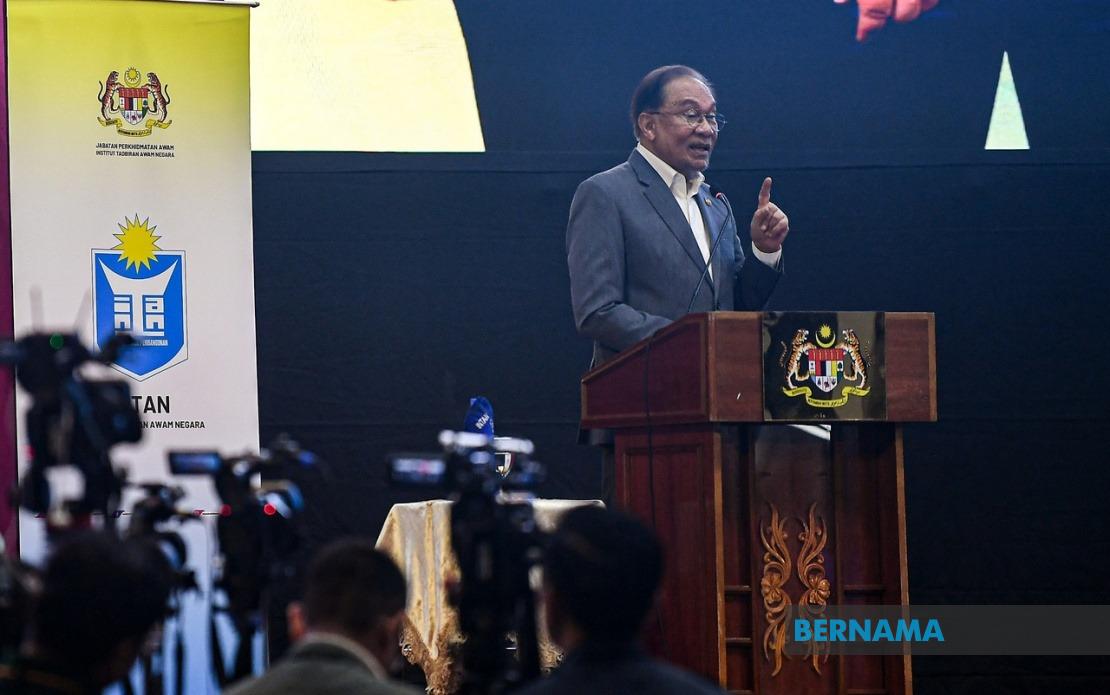
Prime Minister Datuk Seri Anwar Ibrahim extended an apology on July 20 if his assertive manner when communicating with the civil service came across as excessively abrasive. Speaking via a Facebook video recorded during an engagement with Central Zone civil servants at Universiti Islam Selangor, he acknowledged receiving feedback about his speaking style while maintaining that his approach stems from authentic commitment to governance and national progress.
Anwar recounted candid advice from various quarters, noting that observers have counselled him about the expectations attached to his position as head of government. These individuals, he explained, have suggested that speaking with restraint, employing measured tones, and fostering genuine dialogue represent more appropriate conduct for a Prime Minister. The acknowledgment reflects a degree of self-awareness about public perception and the symbolic weight of leadership communication, even as he defended his underlying motivations.
His apology came with qualification, however. Anwar framed his sometimes forceful delivery as an inevitable consequence of deep personal investment in matters affecting Malaysia's trajectory. When topics touch what he described as his heart and emotions, he indicated a propensity to speak with vigour rather than calculate diplomatic restraint. This framing positions his communication style not as a character flaw or political miscalculation, but rather as an expression of authentic engagement with the nation's challenges and opportunities.
The context for these remarks was significant. Chief Secretary to the Government Tan Sri Shamsul Azri Abu Bakar attended the same civil service gathering, underlining the importance the government places on this audience. Civil servants constitute the machinery through which policy intentions become reality, making their understanding of and commitment to governmental objectives crucial to implementation success. Anwar's engagement with this sector reflects recognition that bureaucratic cooperation remains fundamental to translating electoral mandates into tangible outcomes.
Anwar's explanation of his tone emphasised the instrumental relationship between firmness and governance effectiveness. He questioned rhetorically who, if not the civil service itself, should receive direct and passionate communication about the importance of their role in national development. This rhetorical strategy repositions his firm manner not as disrespect but as respect for the gravity of bureaucratic responsibility and the centrality of the public service to state performance. He suggested that tempering his message to this audience would constitute a kind of abdication of leadership responsibility.
The broader context involves Malaysian public discourse around leadership style and the changing expectations of political figures. Some observers in the country have critiqued Anwar for what they characterise as overly stern or even confrontational approaches to governance, particularly in interactions with officials. This video response indicates awareness of these criticisms and an attempt to reframe them through the lens of passionate commitment rather than temperamental unsuitability for high office. The apologetic framing, while maintaining substantive defence of his approach, suggests sensitivity to optics and public relations dimensions of leadership.
Civil service reform and effectiveness have constituted ongoing priorities for the current administration. Anwar has repeatedly emphasised the necessity of energising the bureaucracy to improve service delivery and reduce inefficiencies that frustrate citizens and hinder development. A stern tone, from this perspective, reflects determination to drive performance standards upward and signal that mediocrity or complacency will not be tolerated. The message to civil servants incorporates both implicit criticism of past practices and explicit demands for higher standards going forward.
The distinction Anwar drew between apologising for perception and defending substance is noteworthy. He acknowledged that some citizens may have experienced his communication style as inappropriate or uncomfortable, offering contrition for that experienced impact. Simultaneously, he refused to concede that the underlying message or its passionate delivery represented error in judgment. This formulation permits him to appear responsive to criticism while maintaining consistency with his governance philosophy and leadership identity.
For the Malaysian public and civil service, this statement clarifies the Prime Minister's positioning regarding the balance between collegial engagement and directive leadership. It signals that while Anwar recognises the importance of respectful dialogue, he will not subordinate directiveness about policy implementation to concerns about tone alone. Civil servants receiving this message gain insight into performance expectations and the likelihood that underperformance will encounter robust criticism rather than diplomatic indulgence.
The incident also reflects broader questions about leadership communication in Southeast Asia, where colonial legacies and cultural expectations around authority and respect continue shaping political discourse. Different societies within the region hold varying norms regarding how senior officials should address subordinates and the public. Anwar's willingness to reflect on his style while defending his substance navigates these tensions thoughtfully, acknowledging cultural sensitivities without capitulating to them entirely.
Looking forward, this statement appears unlikely to substantially alter either Anwar's communication approach or the criticism directed toward it. Those predisposed to view his directiveness negatively will interpret the apology as insufficient or insincere, while supporters will welcome his refusal to suppress genuine passion about governance. The statement serves primarily to document the Prime Minister's awareness of the criticism and his deliberate choice to maintain his current approach despite it, grounded in conviction about what effective leadership demands.

