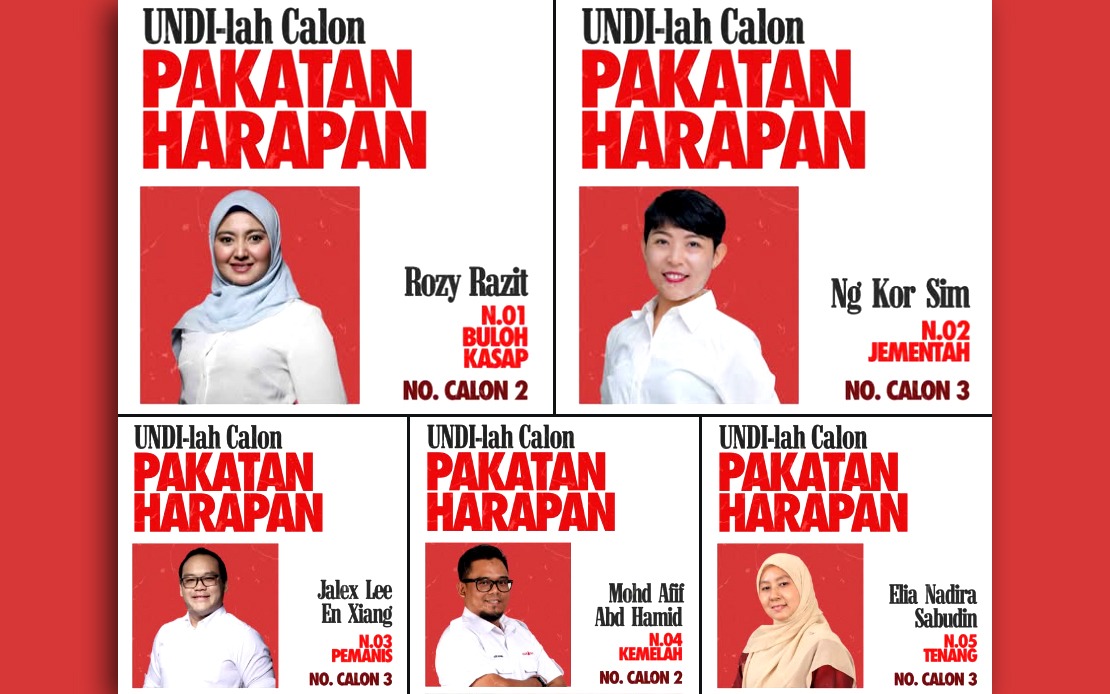
Prime Minister Datuk Seri Anwar Ibrahim, leading the Pakatan Harapan coalition, has directly appealed to the people of Johor to grant the alliance a fresh mandate to manage the state's affairs over the coming five years. Speaking through a Facebook post, the PKR president emphasised that his political coalition would discharge this responsibility with unwavering dedication and would safeguard the confidence that voters place in it.
Anwar's public call to Johor residents reflects the critical importance of the state election to PH's political standing. Johor represents one of Malaysia's largest state assemblies and has historically been a stronghold of other political coalitions, making the upcoming polls a test of PH's electoral appeal outside its traditional heartlands. The coalition's leadership recognises that a strong showing in the state could significantly strengthen its position heading into future national political contests.
In framing his appeal, Anwar drew upon Islamic principles to emphasise the moral dimension of his request. He quoted Verse 58 of Surah An-Nisa from the Quran, a passage that underscores the sanctity of honouring trusts and the imperative of administering justice. This scriptural reference suggests that PH is positioning the election not merely as a political competition but as a moral responsibility, appealing to voters' values and religious conscience alongside material and governance considerations.
The Pakatan Harapan coalition has committed to contesting all 56 available state assembly seats in Johor, signalling its intention to pursue comprehensive representation across the state's constituencies. This full slate approach demonstrates the coalition's confidence in its candidates and its strategic ambition to build a broad mandate that encompasses diverse communities and regions within Johor.
The election calendar has been set for July 11 as the main polling day, with early voting scheduled for July 7. This timeline provides voters with advance opportunities to cast ballots, particularly benefiting those who may face mobility constraints or other obstacles on the principal election day. The phased voting approach also allows election authorities to manage logistical demands more effectively across the state's numerous constituencies.
For Malaysian political observers, this election carries significance beyond Johor's borders. The state's electoral outcome will provide early signals about voter sentiment regarding PH's governance record at both state and national levels. Since PH returned to federal power in late 2022 following the 15th General Election, the coalition has faced ongoing scrutiny regarding its ability to deliver on campaign promises and manage Malaysia's complex economic and social challenges.
The appeal from Anwar also reflects PH's broader political strategy of emphasising continuity and trust. By pledging not to betray voter confidence, the prime minister is attempting to counter narratives about political instability or coalition fragmentation that have periodically affected PH's public image. Trust in political institutions and leadership credibility remain crucial factors influencing voter behaviour in Malaysian elections, particularly among middle-class and urban voters whom PH has sought to cultivate.
Johor's demographic composition and electoral dynamics add layers of complexity to PH's campaign. The state encompasses urban centres with relatively high literacy and digital engagement, alongside rural areas where traditional communication channels remain influential. PH's coalition partners and candidates must navigate these diverse constituencies while maintaining message coherence about the coalition's vision and competence.
The timing of this formal appeal, released through digital platforms, reflects modern campaign practices that emphasise direct communication with voters. By using social media, Anwar bypasses traditional gatekeeping and speaks directly to constituents, particularly younger voters and those who engage primarily through digital channels. This approach has become standard in Malaysian political communication, though its effectiveness in converting digital engagement into actual votes remains contested among political analysts.
The stakes for PH extend beyond symbolic victory. Control of state government provides access to resources, patronage networks, and administrative machinery that can be leveraged for development projects and public services. These tangible benefits often influence voter decisions more than abstract political narratives, particularly in less urbanised areas where infrastructure and economic opportunity remain pressing concerns.
For observers across Southeast Asia, the Johor election offers insights into how established political coalitions adapt to governance challenges and electoral competition. Malaysia's democratic system, though facing periodic strain, continues to feature competitive elections where incumbents face genuine challenges. The outcome in Johor will help clarify whether PH can consolidate and expand its electoral base or whether it faces headwinds that could reshape Malaysia's political landscape.
Anwar's invocation of Islamic values and emphasis on trust also highlights how Malaysian politicians integrate religious and secular frameworks in political messaging. This dual appeal reflects Malaysia's position as a Muslim-majority democracy where religious authority and democratic governance intersect in complex ways. Understanding how voters respond to such integrated messaging will provide clues about evolving Malaysian political preferences.

