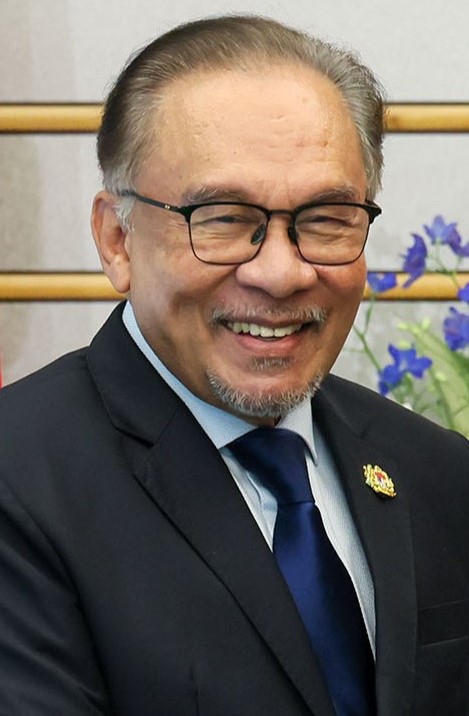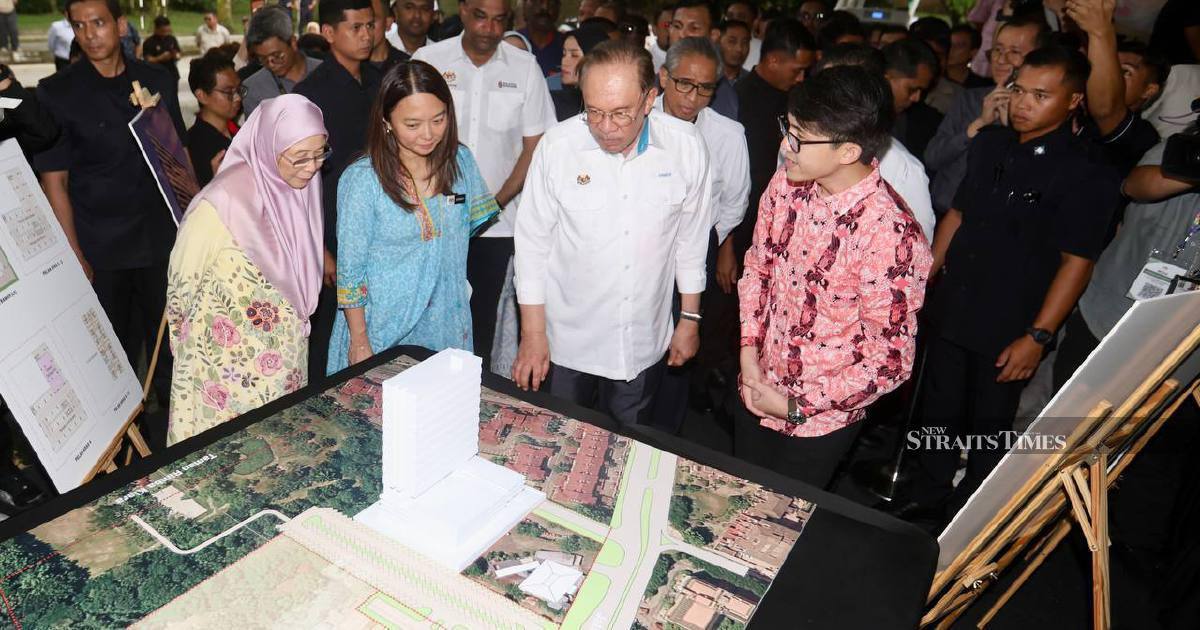
Prime Minister Datuk Seri Anwar Ibrahim has pushed back against criticism that the government neglects the urban poor, insisting that his administration maintains a strong commitment to safeguarding their rights and improving their living standards. Speaking on the matter, Anwar highlighted the Bukit Kiara project as concrete evidence of the government's dedication to ensuring that marginalised communities are not left behind in the nation's development agenda.
The comments come at a time when Malaysia continues to grapple with pressing urban poverty issues, particularly in Kuala Lumpur and other major cities where informal settlements remain common. The government has faced persistent scrutiny over how its development initiatives balance economic growth with the welfare of lower-income residents who often occupy land earmarked for commercial or mixed-use projects. Urban poverty remains a complex challenge in Southeast Asia's developed nations, with Malaysia seeking to modernise while simultaneously addressing the needs of its most vulnerable citizens.
Anwar's reference to the Bukit Kiara initiative suggests the government believes this project demonstrates a model for development that incorporates social considerations. The project appears to reflect an attempt to reconcile infrastructure modernisation with protections for existing residents, though details about specific mechanisms to safeguard the urban poor would clarify the extent of the government's commitment. Such projects often serve as test cases for how Malaysia can achieve growth without deepening inequality.
The Prime Minister's statement addresses broader anxieties within Malaysia's urban communities, where rapid development has sometimes led to displacement without adequate compensation or relocation support. Residents of long-established informal settlements frequently express concerns that their voices go unheard when land becomes valuable to developers and commercial interests. Anwar's remarks suggest the government wants to position itself as attentive to these concerns, positioning the Bukit Kiara project as evidence of inclusive policymaking.
Such assurances carry particular weight given Malaysia's federal structure, where urban development typically involves coordination between federal authorities, state governments, and city councils. Kuala Lumpur's Federal Territory status means development decisions involve multiple stakeholders, sometimes creating complications in implementing policies that consistently prioritise poor residents. The Prime Minister's emphasis on rights protection may signal renewed focus on ensuring local communities have genuine input into projects affecting their neighbourhoods.
The government's positioning reflects a growing regional recognition that sustainable development requires addressing inequality. Neighbouring countries have faced significant backlash when development projects proceeded without adequate safeguards for displaced populations, making Anwar's public commitment to rights protection strategically important. Malaysia's approach to this challenge will likely influence how other Southeast Asian nations balance progress with social responsibility.
Understanding what constitutes genuine rights protection in this context remains crucial. This could encompass fair market compensation for land, alternative housing options at affordable prices, community consultation processes, or preservation of existing social networks. The specifics of how Bukit Kiara implements these principles will determine whether Anwar's remarks reflect substantive policy or aspirational rhetoric.
For Malaysian readers, particularly those in urban areas, the Prime Minister's statement represents an attempt to address longstanding grievances about development-induced displacement. Urban poor communities in Kuala Lumpur, George Town, and other cities have historically felt powerless against government and private sector interests. Whether the Bukit Kiara project delivers meaningful protections or merely provides symbolic reassurance will shape public confidence in the government's urban development approach.
The statement also reflects international pressure on Malaysia to maintain social stability while pursuing economic modernisation. International investors increasingly scrutinise how countries treat vulnerable populations, and governance issues can affect Malaysia's economic reputation. By publicly defending his government's record on this issue, Anwar signals awareness that balancing development with social protection matters both domestically and internationally.
Moving forward, the government will face scrutiny on whether policies translate into practice. Urban residents will assess whether the Bukit Kiara model becomes standard for future developments or remains an isolated example of social consideration. The success or failure of this project in genuinely protecting residents' rights will significantly influence public perception of government promises regarding urban poverty and development equity. Ensuring that economic progress benefits all Malaysians, not merely those already positioned to capitalise on growth, remains central to the nation's social cohesion and long-term stability.