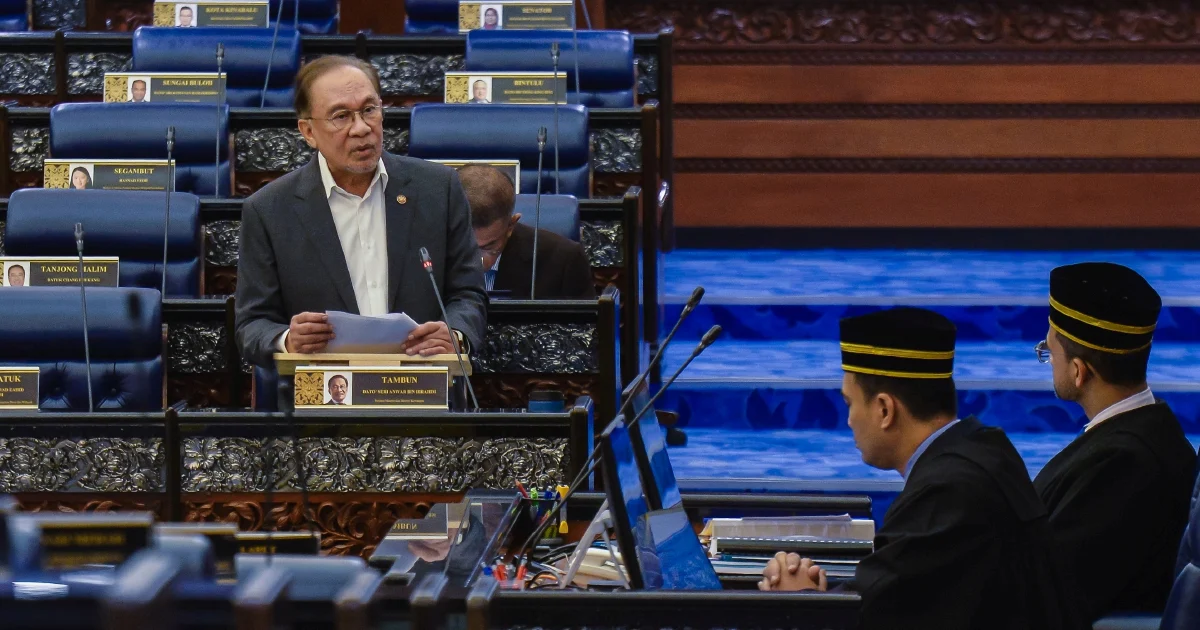
Prime Minister Datuk Seri Anwar Ibrahim moved to dispel mounting speculation this week when he explicitly denied having issued any instruction to cancel the 2026 Johor Felda Settlers' Day celebration planned for Kluang. The clarification came in response to reports that the high-profile gathering had been shelved, a claim that had generated considerable discussion among Felda beneficiaries and political observers tracking the administration's engagement with the federal land settlement scheme.
The Felda Settlers' Day celebration represents a significant annual fixture in Malaysia's agricultural and rural development calendar, drawing together smallholders, their families, government officials, and agricultural representatives to commemorate the contributions of settlers within the Federal Land Development Authority framework. Kluang, located in Johor's interior, has historically served as an important focal point for such gatherings, hosting events that connect the settler community with policymakers and reinforce the government's commitment to smallholder welfare.
The incident underscores the delicate political landscape surrounding Felda, which remains one of Malaysia's largest and most visible rural development institutions. With a settler base exceeding 115,000 families across multiple states, any decision perceived as diminishing support or recognition for the scheme carries implications for rural constituencies and the coalition's standing among a traditionally significant voting bloc. The swift denial suggests the government was acutely aware of the potential backlash had the cancellation narrative gained further traction without official clarification.
Felda settlements have long served as vital economic and social anchors across Malaysia's interior regions, particularly in states like Johor, Pahang, and Perak. The organization itself navigates complex challenges related to land productivity, commodity price volatility, and the need to modernize farming practices while maintaining settler livelihoods. Celebrations such as the Settlers' Day event function partly as morale-boosting exercises, acknowledging settler contributions while signalling government commitment to the broader rural development agenda.
The timing of this episode, occurring earlier this month before the Prime Minister's clarification, raises questions about the communication channels between government offices and Felda administration. Whether the cancellation order originated from a misunderstanding, miscommunication, or a preliminary planning decision subsequently reversed remains unclear from available accounts. Such ambiguity can create uncertainty among settlers and potentially undermine confidence in institutional decision-making processes.
For Johor specifically, which hosts numerous Felda schemes and maintains a substantial settler population, the event carries localized significance beyond its national dimensions. The state has long maintained a structured relationship with Felda operations, and any perceived withdrawal of support—even temporarily—could resonate across constituencies where settlers represent meaningful electoral forces. Kluang's selection as a venue previously reflected the town's historical connection to Felda development initiatives and its geographic accessibility to multiple surrounding schemes.
The broader context of federal-state coordination in rural development initiatives adds another layer to this incident. As the national government continues recalibrating its agricultural and rural policies, ensuring alignment between federal directives and state-level implementation becomes increasingly important. This episode illustrates how quickly miscommunication in such hierarchies can generate public concern and political commentary, particularly when rural constituencies perceive potential threats to longstanding support mechanisms.
Anwar Ibrahim's categorical denial carries administrative weight, effectively restoring the event's status and signalling that no high-level directive to cancel exists. This clarification should permit Felda and relevant state authorities to proceed with planning for the 2026 celebration without the cloud of uncertainty that had surrounded it. The speed of the denial also demonstrates responsive governance, though questions about the original source of cancellation reports may continue circulating within government and Felda circles.
Looking forward, the incident serves as a reminder of the importance of transparent communication regarding events that affect rural communities and established stakeholder groups. The settler community, which depends on government support and maintains historical connections to institutions like Felda, requires clear and timely information about changes to longstanding programs or commemorations. Any future modifications to such events would benefit from advance coordination and explanation to affected parties.
The 2026 Johor Felda Settlers' Day can now proceed as initially planned in Kluang, allowing organizers to coordinate with relevant agencies and ensure the event meets the expectations of the settler community and broader public audience. This resolution, while clarifying the immediate situation, also highlights ongoing questions about how government institutions communicate significant decisions affecting rural constituencies and how information flows between federal, state, and quasi-government entities managing Malaysia's rural development landscape.

