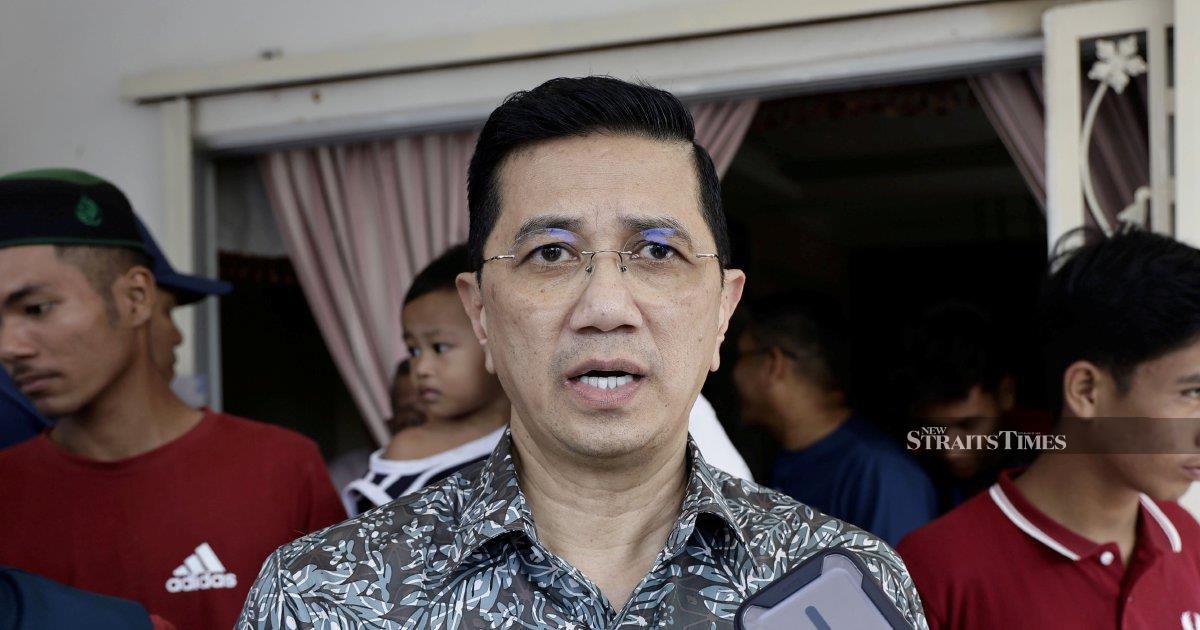
Prime Minister Datuk Seri Anwar Ibrahim has responded sharply to former PKR deputy president Datuk Seri Mohamed Azmin Ali's decision to remain outside the party, casting doubt on the nature and authenticity of any overture toward the longtime politician.
Anwar's remarks came after Azmin publicly ruled out a return to PKR, the reformist party that has been central to Malaysian politics for over two decades. The exchange marks another chapter in the fractious relationship between the two former allies, whose political paths diverged dramatically following internal party disputes and shifting coalitional arrangements in recent years.
The Prime Minister's skepticism about whether Azmin was genuinely invited back to PKR underscores the complexity of internal party dynamics within Malaysia's political ecosystem. For observers tracking PKR's evolution, the interaction reveals lingering tensions despite the party's current prominence within the ruling Pakatan Harapan coalition. The question of Azmin's status—both his political relevance and his relationship with PKR's current leadership—remains strategically significant as the party navigates questions of internal unity and membership.
Azmin's departure from PKR in 2020 occurred during a turbulent period when the party fragmented amid leadership disputes and defections. His subsequent alignment with other political vehicles reflected broader realignments within Malaysia's coalition politics. His decision to remain outside PKR now, even as the party holds significant influence in the current government, suggests calculations about political positioning and personal standing within his former organization.
Anwar's public dismissal of Azmin's refusal carries implications beyond mere rhetorical sparring. The Prime Minister's tone indicates frustration with Azmin's political trajectory and perhaps a desire to minimize any narrative that portrays Azmin as someone strategically choosing alternatives to PKR. By questioning whether Azmin was invited in the first place, Anwar may be signaling that Azmin's continued separation from the party reflects broader questions about loyalty and political viability rather than principled disagreement.
For Malaysian political watchers, this exchange illustrates how senior figures navigate public statements about party membership and coalition arrangements. The subtext involves questions about rehabilitation, political capital, and the terms under which estranged figures might reintegrate into their former organizations. Azmin's consistent refusal suggests he has calculated that remaining outside PKR serves his political interests better than rejoining under current circumstances.
The broader context includes PKR's evolution from opposition party to major government participant. This transformation has reshaped internal power dynamics and resource allocation within the party. Senior members like Anwar now occupy ministerial positions and influence state-level politics, creating hierarchies and expectations among party members that differ significantly from earlier configurations.
Azmin's political narrative has shifted considerably since his PKR days. His current positioning appears designed to maintain political relevance without the constraints of party membership or the obligations such membership might entail. This reflects a calculated strategy increasingly seen among Malaysian politicians who seek flexibility in coalition politics.
The public nature of Anwar's criticism suggests deliberate messaging. By raising doubts about whether an invitation was extended, the Prime Minister appears to be preemptively controlling narratives about Azmin's standing and influence within political circles. This tactic prevents Azmin from positioning himself as someone who rejected PKR out of principle or political conviction.
Regionally, Malaysian political shifts continue to influence how Southeast Asian observers assess governance transitions and coalition management. The Anwar-Azmin dynamic provides insights into how senior leaders manage factional disputes while maintaining broader government stability. Their relationship exemplifies the delicate balancing acts required in multiethnic democracies where parties must manage competing interests and historical grievances.
Looking forward, the trajectory of Azmin's political career remains uncertain. Whether his continued separation from PKR ultimately strengthens or weakens his influence depends on factors including coalition stability, electoral considerations, and his ability to maintain relevance in alternative political arrangements. Anwar's public questioning suggests the Prime Minister is confident Azmin's external position carries minimal strategic advantage.
The exchange also reflects broader questions about party loyalty and political redemption in Malaysian politics. Whether estranged senior figures can effectively rejoin former organizations, and on what terms such reunification might occur, remains contextually dependent and strategically fraught. For now, Anwar's dismissal of Azmin's position suggests little appetite for reconciliation from the Prime Minister's side, potentially locking in a longer-term separation between these former allies.

