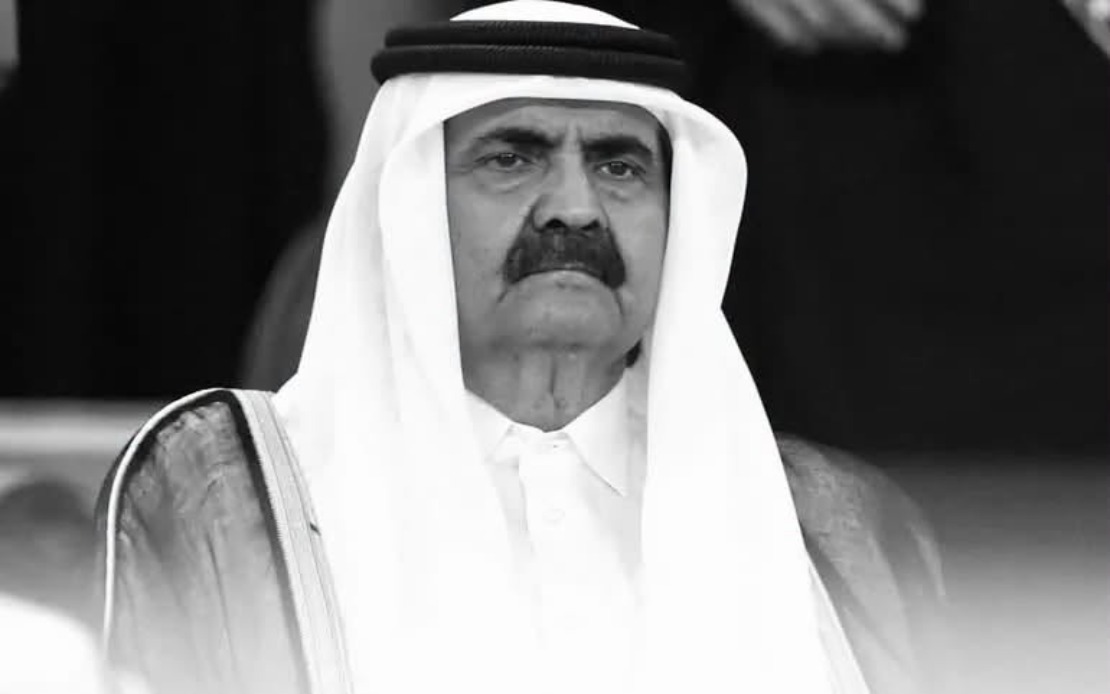
Prime Minister Datuk Seri Anwar Ibrahim has conveyed Malaysia's deepest sympathies to Qatar's ruling leadership and citizens following the death of Sheikh Hamad bin Khalifa Al Thani, the Father Amir, who passed away on Sunday morning at the age of 74. The announcement came through Qatar's Amiri Diwan, prompting Anwar to issue a formal message of condolence via his social media platforms, acknowledging both the reigning Amir Sheikh Tamim bin Hamad Al Thani and the broader Qatari royal family during the period of mourning.
In his tribute, Anwar recognized Sheikh Hamad's substantial contributions to Qatar's transformation over the course of nearly two decades in leadership. The former Amir's tenure, spanning from 1995 to 2013, witnessed the nation's emergence as a consequential player on the global stage, with the Prime Minister specifically highlighting the economic achievements that occurred under his stewardship. During this period, Qatar diversified its economy beyond traditional hydrocarbon exports and became increasingly prominent in regional geopolitics and international relations, establishing itself as a significant financial and diplomatic centre in the Middle East.
A particularly noteworthy aspect of Sheikh Hamad's legacy, according to Anwar, was his decision to voluntarily transfer power to the next generation in 2013 by ceding authority to his son. The Malaysian Prime Minister characterized this transition as an exceptional demonstration of political wisdom and principled governance, emphasizing that such peaceful succession planning remains relatively uncommon among monarchical states in the Gulf region. This orderly transfer of power to Sheikh Tamim represented a deliberate choice to rejuvenate leadership rather than a forced or contested transition, setting an example of measured statesmanship that distinguishes Qatar's political history within the broader Arabian Peninsula context.
Anwar's remarks portrayed Sheikh Hamad as more than merely a national leader but as a dignified and influential figure whose respect extended throughout the Islamic world. The characterization of the Father Amir as a steadfast friend of Malaysia underscores the bilateral relationship that has developed between Kuala Lumpur and Doha across economic, cultural, and diplomatic dimensions. Malaysia's substantial expatriate community in Qatar, along with longstanding commercial and investment ties, form the foundation of practical cooperation that has benefited both nations, making Sheikh Hamad's tenure particularly relevant to Malaysian interests in the Gulf region.
The significance of Sheikh Hamad's leadership extends beyond Qatar's borders to influence Malaysia's own position within regional and global affairs. During his 18-year reign, Qatar emerged as an active player in multilateral forums, international development initiatives, and regional mediation efforts. These developments created opportunities for Malaysian engagement and partnership across multiple sectors, from trade and investment to education and cultural exchange. The stability and modernization achieved during his period contributed to establishing Qatar as a reliable economic and diplomatic partner for Southeast Asian nations seeking deeper engagement with the Gulf.
Anwar's condolence message reflected the diplomatic courtesy expected between nations with established relations, but it also acknowledged the personal dimensions of leadership transitions within royal families. The Prime Minister invoked Islamic tradition by concluding his statement with a prayer for Sheikh Hamad's soul and an expression of hope for divine comfort to his family and the Qatari people. This religious and cultural sensibility in the official response demonstrates Malaysia's understanding of the significance that such moments hold within Muslim-majority societies and monarchical contexts.
The passing of Sheikh Hamad comes at a time when Qatar continues to navigate evolving regional dynamics and international engagements under the leadership of his son. Sheikh Tamim has maintained his father's legacy of active foreign policy and economic development while adapting to contemporary challenges including geopolitical tensions and global economic transitions. The continuity of leadership within the Al Thani family ensures stability in Malaysia-Qatar relations, as the institutional relationships and frameworks established during Sheikh Hamad's era have become embedded in both nations' diplomatic and economic structures.
From a Malaysian perspective, the transition of leadership in a major regional power and significant trading partner carries implications for the broader Southeast Asian engagement with the Gulf Cooperation Council states. Qatar's role as a financial hub and international mediator has created opportunities for Malaysian companies and institutions to expand their presence and influence. The stability demonstrated through Sheikh Hamad's planned succession and Sheikh Tamim's continued governance suggests that this regional partnership will remain stable and productive for the foreseeable future.
The death of Sheikh Hamad marks the conclusion of a transformative era in Qatar's modern history, during which the nation acquired significantly enhanced international standing and economic capacity. His voluntary relinquishment of power at a time of national strength rather than weakness set a precedent that might influence succession planning across other Gulf monarchies and has earned recognition from leaders like Anwar Ibrahim. As the custodian of substantial regional influence and responsibility, Sheikh Hamad's legacy will continue to shape Qatar's trajectory and its relationships with partners like Malaysia for years to come.
Malaysia's formal expression of sympathy through its Prime Minister serves multiple purposes: it honors the deceased, acknowledges Qatar's continued importance to Malaysian interests, and affirms the established diplomatic protocols between the two nations. The respectful tone and substantive recognition of Sheikh Hamad's achievements reflect the depth of the bilateral relationship and Malaysia's investment in maintaining positive ties with influential Gulf states. As Qatar continues to evolve under Sheikh Tamim's leadership, the foundation of stable partnership and mutual respect established during his father's tenure remains relevant to both nations' strategic objectives.

