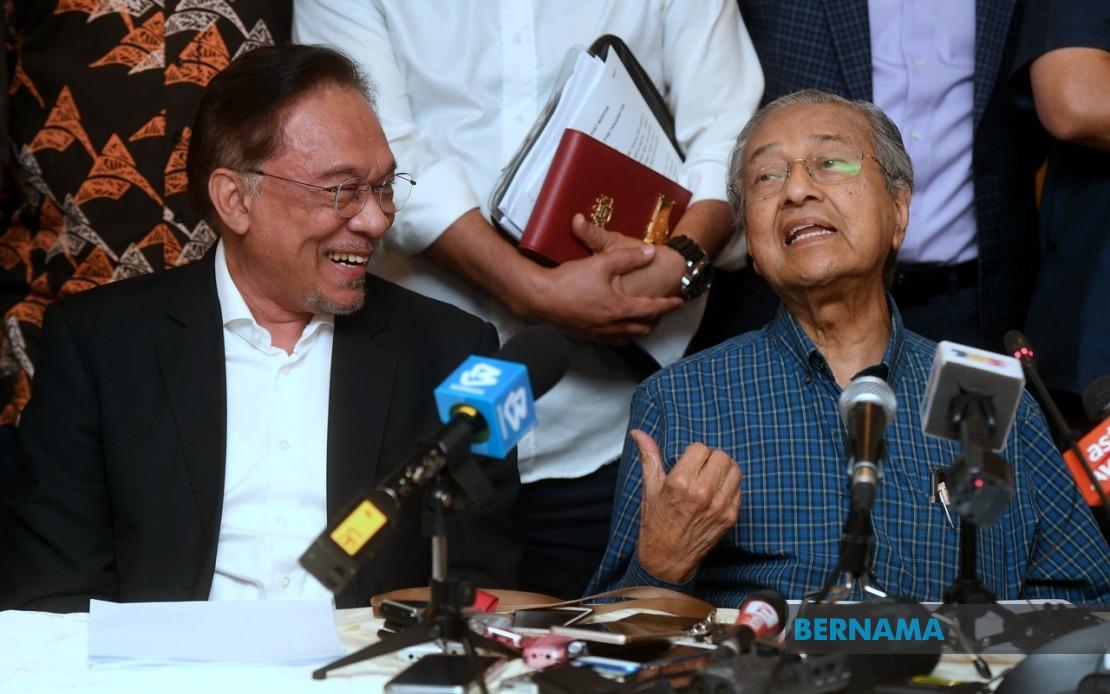
Prime Minister Datuk Seri Anwar Ibrahim marked the milestone moment by publicly extending birthday wishes to Tun Dr Mahathir Mohamad, the nation's longest-serving former prime minister, as he reached his 101st year on July 10. Through a Facebook message, Anwar conveyed his hopes that the veteran statesman would continue to enjoy good health and divine blessings in the years ahead.
Tun Dr Mahathir, born on July 10, 1925 in Alor Setar, Kedah, remains one of the most consequential figures in Malaysia's modern political landscape. His two separate stints as prime minister spanned more than two decades in total, shaping the nation's development trajectory during critical periods of its post-independence history. The first tenure, lasting from 1981 to 2003, saw Malaysia undergo significant economic transformation and infrastructure development under his vision of industrialisation and modernisation.
His return to the premiership in 2018, at the age of 92, represented a remarkable political comeback that captured international attention. At that time, Tun Dr Mahathir became the world's oldest serving prime minister, a distinction that underscored his continued relevance and the Malaysian electorate's willingness to entrust him with leadership despite his advanced age. This second term, which lasted until 2020, occurred during a tumultuous period in Malaysian politics marked by the collapse of the Pakatan Harapan coalition and shifting political alignments.
The public acknowledgment by Anwar of this centennial milestone carries symbolic weight in Malaysian political discourse. The relationship between Anwar and Tun Dr Mahathir has been complex and multifaceted, encompassing periods of alignment as well as considerable tension. Their association during the 2018 political transition represented one of the more unexpected political partnerships in recent years, demonstrating the pragmatic calculations that sometimes override historical grievances in Malaysian politics.
Tun Dr Mahathir's longevity, both in terms of lifespan and political influence, presents an interesting study of Malaysia's political culture. Unlike many post-colonial leaders who fade from public view after leaving office, the former prime minister has maintained an active presence in national discourse, frequently commenting on contemporary political developments through various media platforms. His opinions continue to carry considerable weight among certain segments of the population, particularly among those who remember and benefited from his tenure.
The significance of reaching 101 years should not be understated in the Malaysian context. It represents not merely personal achievement but also a reflection of improving healthcare standards and quality of life in the country. For a political figure of Tun Dr Mahathir's stature, longevity has enabled him to witness the fruits of policies implemented decades earlier, as well as to observe the challenges that subsequent administrations have grappled with. His perspective, informed by such extensive experience, continues to make him a reference point in debates about national development and direction.
Anwar's gesture, while ceremonial on the surface, acknowledges the historical importance of recognising elders in Malaysian society and politics. The practice of public birthday greetings between current and former leaders serves multiple purposes: it demonstrates respect for seniority, maintains cordial relations across political divides, and presents a image of national unity to the public. In a political environment that has sometimes been characterised by acrimonious rhetoric and personal attacks, such courtesies take on added significance.
The centennial milestone also invites reflection on the nature of succession and institutional memory in Malaysian governance. Tun Dr Mahathir's length of service means he predates many contemporary political and institutional developments. His lived experience of Malaysia's transformation from a commodity-dependent economy to a more diversified industrial nation provides valuable perspective on long-term policy outcomes that are often difficult to assess over shorter timeframes. The transition from his leadership to subsequent administrations has involved different philosophies and approaches, yet continuities in certain policy directions are evident.
For younger Malaysians, Tun Dr Mahathir represents a living link to the nation's formative decades as an independent state. While assessments of his tenure remain contested among historians and political analysts, there is broad recognition that his decisions profoundly shaped contemporary Malaysia. The infrastructure, educational institutions, and development projects initiated during his premierships continue to influence the nation's functioning today. His centennial thus represents not just a personal achievement but a marker in the nation's collective history.
The public birthday acknowledgment by the current prime minister also reflects the generally accepted Malaysian practice of respecting former heads of government, regardless of political differences. This convention contributes to the stability of democratic transitions and demonstrates that political competition does not preclude personal civility. As Malaysia continues to navigate complex political terrain with coalition governments and shifting alignments, such acknowledgments of continuity and respect for institutional history provide important anchors.

