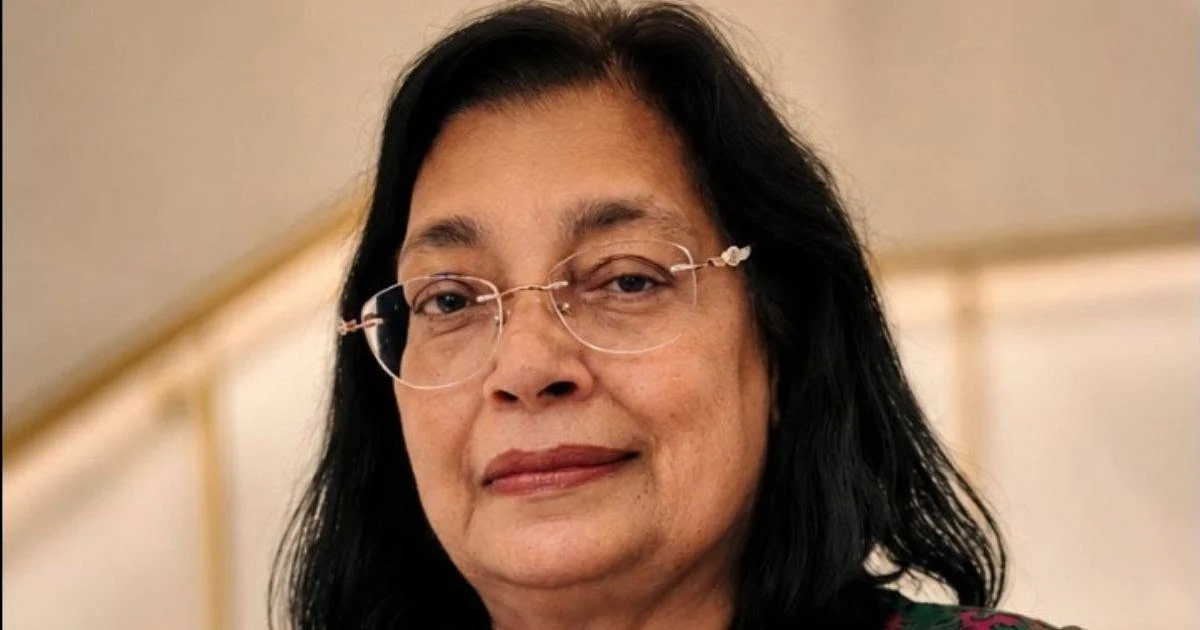
Prime Minister Datuk Seri Anwar Ibrahim has extended his congratulations to Datuk Yasmeen Muhamad Shariff following her successful election as a member of the United Nations Committee on the Rights of the Child for a four-year mandate spanning 2027 through 2031. The appointment represents a significant achievement for Malaysia on the international human rights stage and underscores the nation's growing influence within the global child protection framework.
The UN Committee on the Rights of the Child serves as a crucial monitoring body responsible for overseeing implementation of the Convention on the Rights of the Child—a cornerstone international instrument governing child welfare. Member states nominate candidates based on their demonstrated expertise in child rights, and selection by the UN General Assembly reflects considerable validation of the nominee's professional standing and commitment to the convention's principles. Yasmeen's elevation to this role positions her among a selective group of international experts tasked with evaluating how nations uphold their obligations toward vulnerable young populations.
For Malaysia, this development carries particular significance given the nation's evolving role in Southeast Asian diplomacy and its stated commitment to advancing social welfare standards across the region. The appointment reinforces that Malaysian professionals possess the calibre and credibility to contribute meaningfully to multilateral institutions where policy guidance shapes international norms. Child protection remains an area where Malaysia has been progressively strengthening domestic frameworks, and international representation on authoritative UN bodies amplifies the country's voice in these global conversations.
Yasmeen's selection also reflects Malaysia's institutional capacity to nominate candidates whose credentials align with the rigorous standards expected by the UN system. Committee members must combine technical knowledge of child rights law, familiarity with implementation challenges across diverse contexts, and the diplomatic acumen required for consensus-building among nations with varying development levels and cultural frameworks. Her appointment suggests recognition of these multifaceted competencies within both Malaysian governmental and international circles.
The 2027-2031 term coincides with a period when global attention to child welfare is intensifying in response to emerging challenges. Climate-related displacement, digital safety risks, educational disruption, and economic pressures on families have created renewed urgency around child protection mechanisms. Committee members appointed during this mandate will help shape international guidance on how nations address these contemporary threats while maintaining core protections established decades ago.
For Southeast Asia specifically, regional child welfare standards have become more closely linked to international benchmarks as nations pursue economic integration and cross-border cooperation. Malaysia's participation in UN committees influences how regional peers approach child protection policy, whether through advocacy within ASEAN forums or through bilateral engagement on specific issues. Yasmeen's position provides a channel through which Malaysian perspectives and experiences can inform comparative analysis of how different contexts implement child rights protections.
The UN Committee on the Rights of the Child's work includes regular review of state party reports, issuance of general comments that guide interpretation of the convention, and communication procedures that investigate complaints. These functions generate detailed documentation of implementation gaps and best practices globally. Malaysian representatives serving on such bodies contribute to institutional memory and advocacy patterns that can elevate emerging issues—such as digital exploitation or climate impacts on children—onto the international agenda.
Anwar's public recognition of this appointment aligns with the government's broader positioning on human rights and international engagement. While Malaysia has sometimes faced international scrutiny regarding human rights implementation, demonstrating confidence in Yasmeen's election to a prestigious UN body signals domestic commitment to these principles and international confidence in Malaysian professionalism. The appointment thus serves both symbolic and substantive purposes in Malaysia's diplomatic relationships.
The four-year tenure beginning 2027 will span a period of significant geopolitical transitions in Southeast Asia and globally. Yasmeen will be positioned to observe and contribute to institutional responses as nations grapple with evolving definitions of child rights in contexts shaped by rapid technological change, climate pressures, and shifting family structures. Her involvement in these discussions positions Malaysia within the architecture of global norm-setting rather than merely responding to external standards.
Yasmeen's appointment also creates opportunities for knowledge transfer within Malaysian professional networks. Child welfare specialists, policymakers, and civil society organisations increasingly look to peers serving in international roles for insights into comparative practice and emerging best practices. Her platform on a UN committee can facilitate greater engagement between Malaysian practitioners and the international community, potentially accelerating domestic policy evolution in response to globally documented evidence.
The timing of this congratulations from the Prime Minister's office underscores governmental interest in promoting Malaysian representation within UN mechanisms. As Malaysia continues navigating its position within a complex regional and global order, strengthening participation in technical bodies like the CRC committee reflects a strategy of advancing national interests through expertise and institutional engagement rather than through confrontation or isolation.
Looking ahead, Yasmeen's tenure will likely influence how Malaysia is perceived within international child protection networks and may create broader opportunities for Malaysian civil society organisations to participate in global initiatives. Her election represents not merely an individual achievement but a manifestation of Malaysia's institutional maturity and the recognition that Malaysian professionals can meaningfully contribute to solutions for transnational challenges affecting humanity's most vulnerable populations.

