%22%2F%3E%3C%2Fpattern%3E%3C%2Fdefs%3E%3Crect%20width%3D%22100%25%22%20height%3D%22100%25%22%20fill%3D%22url(%23ph5edm5g)%22%2F%3E%3Crect%20width%3D%22100%25%22%20height%3D%22100%25%22%20fill%3D%22url(%23ph5edm5p)%22%2F%3E%3Ctext%20x%3D%2250%25%22%20y%3D%2250%25%22%20text-anchor%3D%22middle%22%20dominant-baseline%3D%22central%22%20fill%3D%22rgba(255%2C255%2C255%2C0.95)%22%20font-family%3D%22Georgia%2C%20'Times%20New%20Roman'%2C%20serif%22%20font-weight%3D%22700%22%20font-size%3D%22272%22%20letter-spacing%3D%22-0.02em%22%3EAnwar%3C%2Ftext%3E%3C%2Fsvg%3E)
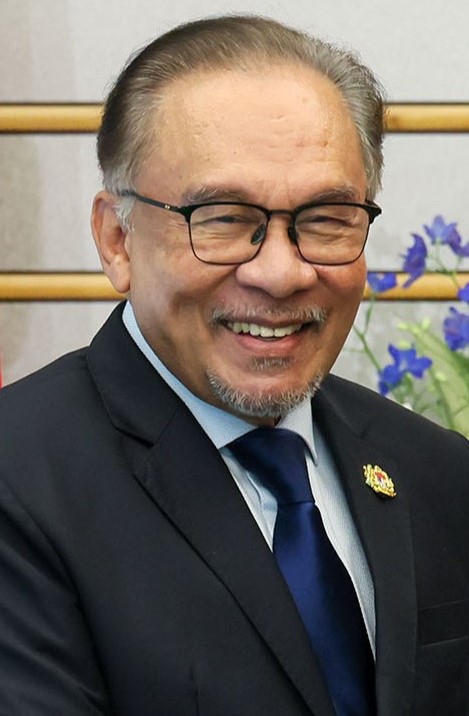
Prime Minister Datuk Seri Anwar Ibrahim has embarked on a significant diplomatic journey to Russia, departing from Subang Air Base to attend the ASEAN-Russia Commemorative Summit in Kazan. The visit underscores Malaysia's commitment to deepening engagement with Russia at a time when regional relationships are undergoing considerable recalibration. Anwar will spearhead the Malaysian delegation during the two-day summit scheduled for June 17 to 18, an event that carries particular strategic weight for Southeast Asian positioning in the evolving global order.
The summit assumes special significance as it commemorates 35 years since ASEAN and Russia established formal diplomatic relations in Kuala Lumpur in 1991. Three and a half decades of engagement have yielded an extensive network of bilateral and multilateral cooperation frameworks. This commemorative gathering offers both nations an opportunity to consolidate past achievements while establishing fresh parameters for future collaboration. For Malaysia, hosting the original establishment of these ties positions the country as a historical anchor in ASEAN-Russia relations, lending additional diplomatic significance to Anwar's leadership role.
During his time in Kazan, Anwar is scheduled to conduct a direct bilateral meeting with Russian President Vladimir Putin. Such face-to-face engagements between Asian and Russian leaders remain relatively constrained by geopolitical circumstances, making these opportunities particularly valuable for candid discussions on regional concerns and mutual interests. Beyond the formal bilateral setting, the Prime Minister will participate in the Russia-ASEAN Business Forum, a platform designed to facilitate commercial exchanges and investment opportunities between the region and Moscow. This dimension reflects the practical economic dimensions underlying diplomatic relationships, essential for sustaining long-term engagement.
The Malaysian delegation accompanying Anwar brings substantial economic and policy expertise to the negotiations. Minister of Investment, Trade and Industry Datuk Seri Johari Abdul Ghani and Minister of Economy Akmal Nasrullah Mohd Nasir will join the Prime Minister, alongside key officials from the Prime Minister's Office and the Foreign Ministry. This composition signals Malaysia's intent to translate diplomatic commitments into concrete economic and trade outcomes. The inclusion of investment and economic ministers suggests that discussions will move beyond traditional political spheres into tangible sectors where ASEAN and Russia can establish mutually beneficial arrangements.
The anticipated agenda for the Kazan summit reveals the breadth of contemporary cooperation between the bloc and Russia. Trade and investment discussions will likely address how to expand two-way commerce despite existing geopolitical constraints and sanctions frameworks affecting Moscow. Energy cooperation represents another critical area, particularly relevant as Southeast Asian nations balance their energy portfolios and supply diversification strategies. Food security has emerged as an increasingly pressing concern for the region, and Russia's substantial agricultural capacity makes it a logical partner for addressing regional food challenges.
Beyond traditional sectors, the dialogue will encompass digital economy transformation and technological advancement, domains where both ASEAN and Russia possess distinct comparative advantages. Science and technology cooperation offers pathways for knowledge exchange that can elevate regional innovation capabilities. Cultural and educational exchanges strengthen the people-to-people connections that underpin enduring diplomatic relationships, while tourism initiatives can generate economic benefits across both regions. This multifaceted approach to cooperation demonstrates mature diplomatic engagement extending well beyond narrow political calculations.
Following the conclusion of activities in Kazan, Anwar will proceed to Ashgabat, Turkmenistan, for an official state visit at the invitation of President Serdar Berdimuhamedow. This onward journey reflects Malaysia's broader Central Asian engagement strategy, extending diplomatic influence into regions traditionally dominated by Russian spheres of interest. The two-part journey demonstrates Anwar's commitment to active Malaysian diplomacy across Eurasia, positioning the country as a bridge between Southeast Asia and the broader Asian continent.
For Malaysian observers, this diplomatic excursion carries implications for domestic policy and regional stability. Malaysia's ability to maintain substantive relationships with major powers including Russia while preserving ASEAN consensus and alignment with other regional partnerships requires diplomatic sophistication. The visit signals continuity in Malaysia's traditional foreign policy approach of balanced engagement with multiple global actors. This positioning has historically served Malaysian interests by preserving strategic autonomy and preventing excessive alignment with any single power bloc.
The ASEAN-Russia partnership, while not as high-profile as engagements with China or the United States, represents an important dimension of regional diplomacy. Russia's interests in Southeast Asia span energy markets, security dialogues through ASEAN Regional Forum mechanisms, and counterbalance considerations in regional geopolitics. For Southeast Asian nations, maintaining productive relationships with Moscow helps diversify external partnerships and prevents vacuum conditions that might otherwise emerge. Malaysia's leadership role in this particular summit enhances the country's diplomatic standing within both ASEAN and the broader international community.