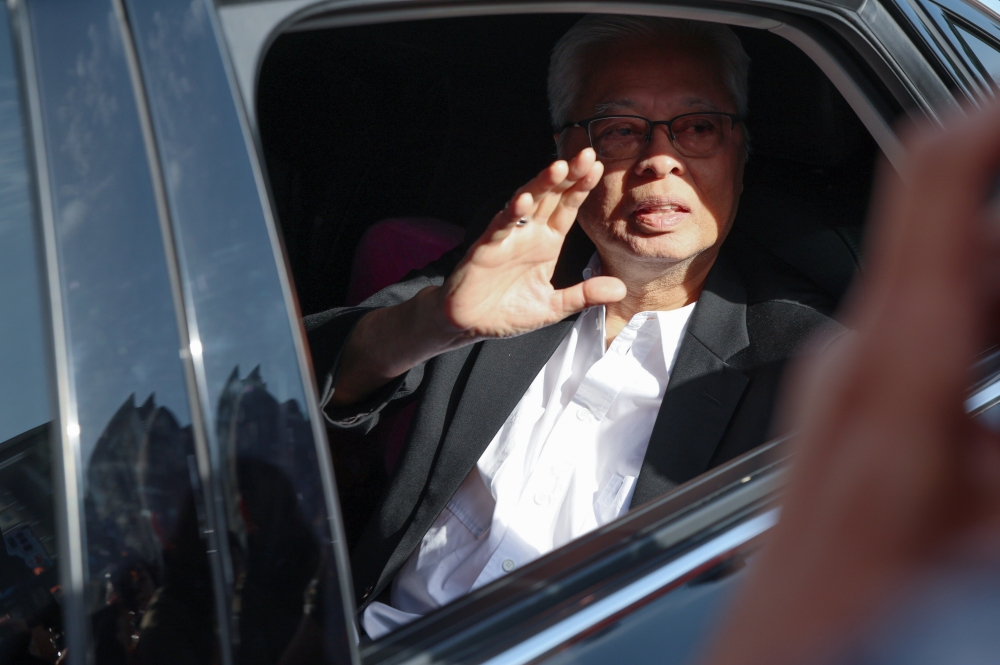
Prime Minister Datuk Seri Anwar Ibrahim made courtesy visits to the National Heart Institute (IJN) in Kuala Lumpur on August 9, calling on Deputy Prime Minister Datuk Amar Fadillah Yusof and former Prime Minister Datuk Seri Ismail Sabri Yaakob as both men received medical attention at the premier cardiac facility. The gestures underscore a tradition of political grace that transcends the competitive nature of Malaysian party politics, with Anwar publicly expressing hopes that both figures would recover quickly from their respective health concerns.
The Prime Minister's presence at the hospital carried symbolic weight in Malaysia's fractious political landscape, where relations between the government and opposition have often been characterised by acrimony and mistrust. By visiting senior figures from different political camps, Anwar signalled a willingness to set aside partisan differences when matters of personal health and human welfare come to the fore. Such displays of cross-party solidarity, though sometimes underappreciated, contribute to maintaining institutional civility and the principle that political opponents can still regard one another as fellow citizens deserving of compassion.
Fadillah Yusof's position as Deputy Prime Minister makes his hospitalisation a matter of national governance significance. The Sarawak-based politician has been a crucial anchor for coalition stability, particularly given his role in bridging peninsular and East Malaysian political interests. His absence from the decision-making apparatus, even temporarily, potentially affects the pace and coordination of government business during a period when Malaysia continues to navigate post-pandemic economic recovery and regional geopolitical complexities. The depth of his recovery trajectory will likely influence ministerial workflow and cabinet dynamics in the coming weeks.
Ismail Sabri's hospitalisation carries different but equally noteworthy implications. As the former Prime Minister whose tenure lasted from August 2021 to September 2022, Ismail Sabri remains an influential figure within opposition circles and continues to command substantial support within the United Malays National Organisation. His health status can affect political calculations within the opposition coalition structure and the broader dynamics of parliamentary politics. The fact that Anwar chose to pay personal respects reflects an acknowledgement of Ismail Sabri's standing in the national political ecosystem, regardless of current partisan alignments.
The IJN itself represents Malaysia's leading facility for cardiovascular and thoracic diseases, located strategically in the Kuala Lumpur metropolitan area. That both patients sought treatment at this institution underscores its reputation and the confidence that Malaysia's political elite place in its medical expertise and infrastructure. The hospital's prominence in treating high-profile patients has made it synonymous with managing critical health situations among the country's leadership class, a reality that speaks to both the quality of its clinical services and the security protocols required for treating government figures.
Political observers in Malaysia have long noted that moments of personal vulnerability—illness, loss, or family hardship—frequently create openings for softening political tensions. Anwar's hospital visit fits into this pattern, where the gravity of health circumstances creates space for expressions of humanity that might be difficult to articulate during ordinary political contestation. Such instances, though brief, can reshape perceptions and occasionally pave the way for more constructive engagement on substantive policy matters later. The optics matter considerably in Malaysian politics, where public displays of mutual respect or concern can influence how citizens perceive the maturity and character of their leaders.
The timing of these hospitalisations and the Prime Minister's response also reflects Malaysia's continued engagement with questions about succession and leadership resilience. With multiple senior figures dealing with health challenges, conversations emerge about contingency planning within government structures and opposition frameworks. For a nation that has experienced significant political volatility over the past several years, questions about the health and availability of key political actors inevitably feed into broader discussions about political stability and institutional robustness.
Anwar's visit also demonstrates the importance of maintaining personal relationships and direct communication channels among Malaysia's political leadership, particularly across party lines. In an era when much political messaging occurs through public statements and media management, personal visits remain powerful vehicles for conveying sincerity and sustaining the personal bonds that, however attenuated, connect members of the political establishment. These relationships, developed over years of parliamentary service and political navigation, provide informal pathways for dialogue that can sometimes prove valuable when formal institutional mechanisms become gridlocked.
Looking forward, the recoveries of both Fadillah and Ismail Sabri will likely influence the rhythms of Malaysian politics in coming months. If both return to full capacity promptly, government operations and opposition coordination can proceed without disruption. Conversely, prolonged absences could reshape various political calculations and potentially accelerate discussions about succession or transitional leadership arrangements. For now, Anwar's public well-wishes represent an investment in maintaining the civility and mutual regard that, even during intense political competition, remains essential to democratic governance. The Prime Minister's gesture, modest though it may appear, reinforces the notion that shared national identity transcends the intense but temporary nature of electoral and parliamentary struggle.

