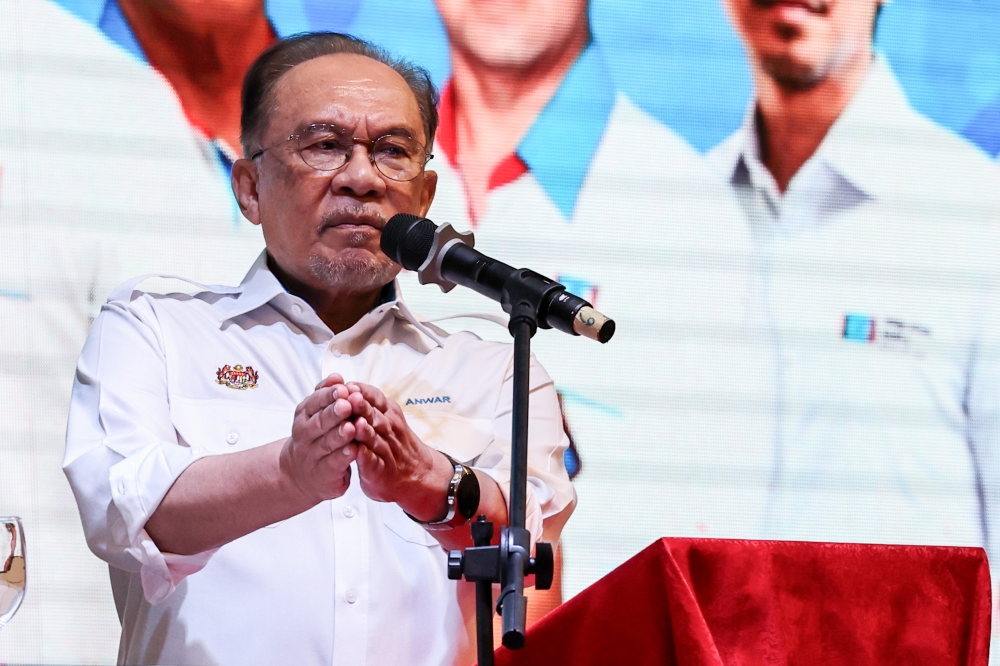
Prime Minister Datuk Seri Anwar Ibrahim has declared that the RM12 billion in funds that vanished from Tabung Haji, as documented by the Royal Commission of Inquiry, represents a clear case of misappropriation and demands serious consequences for those responsible. Speaking in Melaka on August 15, the Prime Minister's characterisation of the losses as "sakau" — a colloquial term for siphoning or theft — reflects growing impatience within government ranks over the handling of Malaysia's largest Islamic pilgrimage financing body and the institutional failures that allowed such massive erosion of public assets over several years.
The Tabung Haji situation has emerged as one of the most damaging financial scandals affecting ordinary Malaysians, as the fund manages contributions from millions of Muslim citizens saving for their Hajj pilgrimage. The RM12 billion figure represents not merely an accounting discrepancy but the accumulated effect of questionable investments, poor governance, and what the RCI investigation suggests were deliberate financial manoeuvres that prioritised certain beneficiaries over the legitimate interests of account holders. For many Malaysian Muslims, their Tabung Haji savings represent years of disciplined contributions, making the fund's mismanagement a breach of public trust that cuts across economic and social divides.
Anwar's emphasis on the term "sakau" signals a toughening rhetorical stance that goes beyond acknowledging mismanagement. By refusing to sanitise the language around the losses, he is framing the matter as one of criminal responsibility rather than mere administrative oversight. This approach carries implications for how the government proceeds with implementing the RCI's recommendations and whether prosecutions or further investigations will follow. The Prime Minister's words suggest that the administration views the findings seriously enough to contemplate holding individuals accountable through the judicial system, rather than allowing the matter to be resolved through internal restructuring alone.
The RCI's investigation into Tabung Haji's collapse has examined decades of decision-making within the fund's investment committees and management hierarchy. The RM12 billion loss encompasses failed business ventures, underperforming property acquisitions, and contested investments that generated minimal returns while exposing the fund to significant risks. Many of these decisions occurred under previous administrations, but their impact has crystallised during Anwar's tenure as Prime Minister, leaving his government to manage both the immediate fallout for affected account holders and the longer-term institutional reforms required to rebuild confidence.
For Malaysian Muslim savers, the practical implications of these losses are profound. Account balances have stagnated or declined in real terms, and the fund's ability to meet redemption requests has come under strain. The government has had to consider intervention mechanisms to protect contributors from total loss of their accumulated savings, while simultaneously pursuing accountability for those deemed responsible for the financial mismanagement. This dual approach — protecting victims while punishing perpetrators — represents a complex balancing act that tests the government's commitment to both justice and welfare.
The regional context matters significantly here. Other Muslim-majority countries across Southeast Asia closely monitor developments affecting Islamic finance institutions, as Tabung Haji's travails raise questions about governance standards across the region's Islamic financial sector. Malaysia's handling of this crisis could influence regulatory approaches in neighbouring jurisdictions and investor confidence in Islamic financial vehicles across the broader Asian market. Poor handling or perceived selective accountability could undermine the credibility of Islamic finance as a stable investment category throughout the region.
Anwar's public criticism of the losses also reflects domestic political considerations. The issue resonates particularly with middle and lower-income Malaysian Muslims who relied on Tabung Haji savings as part of their retirement planning or major life-event financing. By taking a firm stance, the Prime Minister positions himself as champion of ordinary Malaysians against an entrenched elite that benefited from questionable transactions. This populist framing serves to distinguish his administration from previous governments while building political capital among constituencies that have historically supported successive administrations.
The implementation phase following the RCI report will determine whether Anwar's strong words translate into meaningful change. The government must navigate several challenges simultaneously: determining appropriate penalties for those identified as responsible, restructuring the fund's governance architecture to prevent recurrence, compensating affected account holders, and restoring the institutional credibility necessary for Tabung Haji to function effectively as a savings vehicle. Each of these elements carries political sensitivity and carries potential fiscal implications that extend beyond the immediate scandal.
Moving forward, the case of Tabung Haji exemplifies broader questions about accountability and institutional reform in Malaysia's public sector. How thoroughly the government pursues the RCI recommendations, whether investigations lead to criminal charges against identifiable individuals, and how successfully the fund is rehabilitated will send important signals about the administration's commitment to good governance. For Malaysian citizens and the international financial community, these outcomes will significantly influence perceptions of institutional integrity within the country's government and financial sectors.

