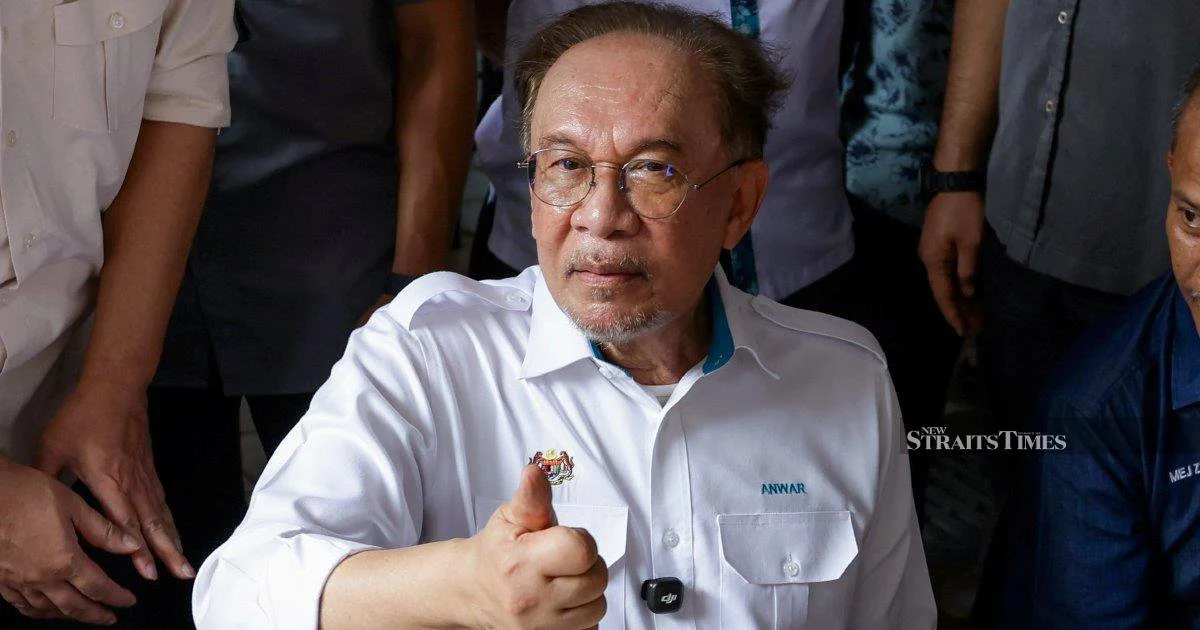
Prime Minister Datuk Seri Anwar Ibrahim has consolidated his position as Malaysia's most favoured political leader, according to the latest polling data released by the Merdeka Centre, a respected independent research institution specialising in public opinion measurement. The survey findings underscore a substantial approval differential between the Prime Minister and other members of the nation's political establishment, signalling both the extent of public backing he commands and the pronounced disparities in political favour across the top tier of government.
The Merdeka Centre, which has tracked Malaysian political sentiment for decades, conducts regular surveys to gauge public perception of national leaders and government performance. These measurements serve as important barometers of political health and popular legitimacy, offering insights into how citizens view the direction of the country and the individuals steering its course. For a Prime Minister relatively early in his tenure, securing the highest approval rating represents a meaningful validation of his leadership approach and public messaging.
Anwar Ibrahim's commanding position in the approval rankings reflects broader trends in Malaysian political sentiment that have evolved throughout his administration. The Prime Minister took office amid significant expectations for economic reform and enhanced governance standards, and the survey results suggest these early initiatives have resonated with substantial segments of the voting public. His emphasis on institutional strengthening and economic stabilisation appears to have translated into measurable public confidence.
The gap separating Anwar Ibrahim from other senior political figures becomes particularly significant when examining the complete rankings. The survey identified Deputy Prime Minister Zahid Hamidi at the lower end of the approval spectrum, indicating a marked contrast in how citizens perceive different members of the cabinet hierarchy. This differential reflects not merely preference but potentially deeper questions about public trust and confidence in various branches of government leadership.
Zahid Hamidi's position at the bottom of the approval rankings is noteworthy given his prominent role within the administration and his lengthy career in Malaysian politics. The former Defence Minister and leader of the United Malays National Organisation has faced considerable public scrutiny in recent years, including previous legal challenges that, while resolved, have left impressions on public consciousness. The survey data suggests these historical episodes continue to influence public perception, even as Zahid maintains significant institutional power through his position in government.
The variance in approval ratings across the political leadership carries implications for government cohesion and political strategy going forward. When substantial gaps exist in public favour among cabinet members, governments must carefully calibrate their communications and policy initiatives to maintain unity while managing competing public perceptions. For Anwar Ibrahim, the high approval rating provides political capital that can be deployed to advance reform agendas that might otherwise face resistance.
Regional observers note that approval ratings in Southeast Asia often fluctuate based on economic performance, governance perceptions, and security concerns. Malaysia's continued grappling with cost-of-living pressures and inflationary challenges means that Anwar Ibrahim's current approval advantage could prove vulnerable should economic conditions deteriorate. The survey represents a snapshot of public opinion at a specific moment, and political fortunes in the region have demonstrated capacity to shift rapidly.
The Merdeka Centre survey data becomes particularly relevant for understanding the broader political landscape ahead of any future electoral contests. Opposition parties will likely scrutinise these findings closely, seeking to identify vulnerabilities in the government's public standing or opportunities to shift public sentiment. Meanwhile, the government coalition will view Anwar Ibrahim's strong approval as validation of its overall direction, though the lower ratings accorded some colleagues may require addressing through targeted communications or portfolio adjustments.
For Malaysian citizens and international observers monitoring the country's political trajectory, these approval differentials highlight the personalised nature of contemporary Malaysian politics. Individual leaders' popularity increasingly drives political dynamics, sometimes overshadowing ideological or policy-based distinctions between political groupings. This personalisation reflects global trends but carries particular significance in Malaysia's context of competing communal narratives and competing visions for national development.
The survey results also invite reflection on how approval is distributed across different demographic and geographic segments of the population. Urban and rural voters, different ethnic communities, and varying income levels may perceive political leaders quite differently. Understanding the composition of Anwar Ibrahim's approval coalition—whether support is broad-based or concentrated among particular constituencies—provides essential context for assessing the sustainability of his political position and the government's overall stability.
Moving forward, the Merdeka Centre's regular surveys will serve as crucial indicators of how Malaysian public opinion evolves in response to government policies, economic conditions, and international developments. The current approval gap between Anwar Ibrahim and other leaders establishes a baseline against which future measurements can be compared. Should this advantage narrow or widen significantly in coming months, such shifts would signal meaningful changes in public sentiment about the government's overall direction and effectiveness.

