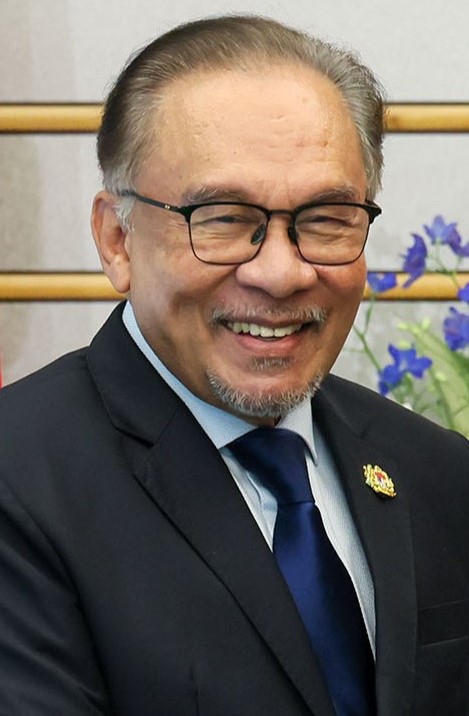
Prime Minister Datuk Seri Anwar Ibrahim will undertake a state visit to Turkmenistan on June 18 and 19, marking a significant diplomatic engagement aimed at elevating bilateral relations between Kuala Lumpur and Ashgabat across multiple economic sectors. The two-day visit to the capital city is anticipated to catalyse closer ties on matters ranging from resource extraction to the movement of goods and people across Central Asia and beyond.
The hydrocarbon sector represents the most strategically important dimension of the forthcoming discussions. Turkmenistan possesses vast proven natural gas reserves and operates as a major energy supplier to neighbouring countries and beyond, making it an attractive partner for Malaysia's energy-intensive economy and growing petrochemical industry. With global energy prices remaining volatile and supply chains disrupted by geopolitical tensions, Malaysian policymakers have long sought to diversify energy sourcing arrangements away from traditional Middle Eastern suppliers. A deepened relationship with Turkmenistan could provide Malaysia with alternative pathways to secure long-term hydrocarbon commitments and potentially unlock joint ventures in upstream exploration or liquefied natural gas infrastructure development.
Beyond the energy nexus, the visit seeks to establish concrete frameworks for cooperation in transportation and logistics. Turkmenistan's geographic position as a crossroads between East and West has historically positioned it as a vital node in trade corridors linking China, the Middle East, and Europe. For Malaysia, which has invested substantially in port infrastructure and aspires to become a regional logistics hub, synergies with Turkmenistan could prove mutually beneficial. Enhanced air cargo connections, maritime shipping partnerships, and the development of overland trade routes through Central Asia would create competitive advantages for Malaysian businesses seeking market access across the broader Eurasian landmass.
The agricultural sector offers another avenue for meaningful collaboration. Turkmenistan's semi-arid climate and expansive agricultural plains contrast sharply with Malaysia's tropical geography, creating opportunities for complementary production and trade. Malaysian palm oil, rubber, and processed agricultural products have found eager markets across Central Asia, yet formal trade mechanisms remain underdeveloped. Conversely, Turkmenistan could supply Malaysia with grains, cotton, and other commodities that supplement domestic production. Establishing bilateral trade agreements and agricultural exchange programmes would benefit farmers, agribusinesses, and consumers in both nations whilst fostering people-to-people connections.
The timing of Anwar Ibrahim's visit carries particular significance within the broader context of Malaysia's foreign policy orientation. The Prime Minister has consistently emphasised the importance of expanding Malaysia's diplomatic footprint beyond traditional Commonwealth and Southeast Asian partners, seeking to position the country as a bridge between the Islamic world, the developing south, and advanced economies. Turkmenistan, a predominantly Muslim nation with a secular governance structure and significant resource wealth, aligns well with these strategic objectives. The visit underscores Kuala Lumpur's commitment to engaging Central Asian powers directly rather than relying solely on multilateral forums or third-party intermediaries.
From a Malaysian perspective, strengthening ties with Turkmenistan also carries implications for Malaysia's broader engagement with the Caspian region. As China and Russia consolidate their influence across Central Asia through initiatives such as the Belt and Road Initiative and the Shanghai Cooperation Organisation, Malaysia risks being sidelined if it fails to cultivate independent relationships with key regional actors. Direct diplomatic engagement at the highest level sends a signal that Malaysia takes Central Asia seriously as a long-term strategic priority rather than a peripheral concern.
The visit is also likely to facilitate discussions on multilateral cooperation frameworks. Malaysia's participation in regional groupings such as the Organisation of Islamic Cooperation means that coordinating positions with Turkmenistan on issues ranging from energy security to development financing could amplify Malaysian influence within these bodies. Similarly, exploring joint positions on global trade negotiations and climate initiatives would strengthen both nations' bargaining power on the international stage.
Institutional mechanisms for sustained engagement will probably be formalised during the visit. Joint commissions, business councils, and cultural exchange programmes typically emerge from high-level state visits, creating permanent structures through which future cooperation can be systematised and monitored. Such mechanisms would move bilateral relations beyond episodic diplomatic encounters toward a foundation of regular, institutionalised interaction that withstands changes in individual leadership or shifting political priorities.
For Malaysian investors, the visit opens doors to market opportunities in Turkmenistan that have previously remained difficult to access. Construction companies, telecommunications firms, financial institutions, and manufacturing enterprises stand to benefit from improved bilateral relations and reduced regulatory barriers. Similarly, Turkmen investors may find Malaysia's sophisticated financial markets, transparent governance frameworks, and developed infrastructure appealing platforms for capital deployment and regional expansion.
The visit also reflects broader Asian realignment patterns. As traditional Western-centric international orders evolve, intra-Asian engagement intensifies. Malaysia's proactive engagement with Central Asian partners demonstrates recognition that future prosperity lies in deepening connectivity and cooperation across the Asian continent rather than relying exclusively on Western markets and institutions. Turkmenistan, similarly, benefits from Malaysia's willingness to forge partnerships outside its immediate neighbourhood, diversifying its own economic dependencies and reducing vulnerability to regional power imbalances.
Success from the June visit would likely manifest in tangible outcomes: signed memoranda of understanding on energy cooperation, bilateral trade targets, cultural and educational exchange commitments, and perhaps announcements regarding direct flights or shipping routes. These concrete deliverables would validate the diplomatic investment and provide both governments with domestic achievements to showcase to their respective publics and business communities.