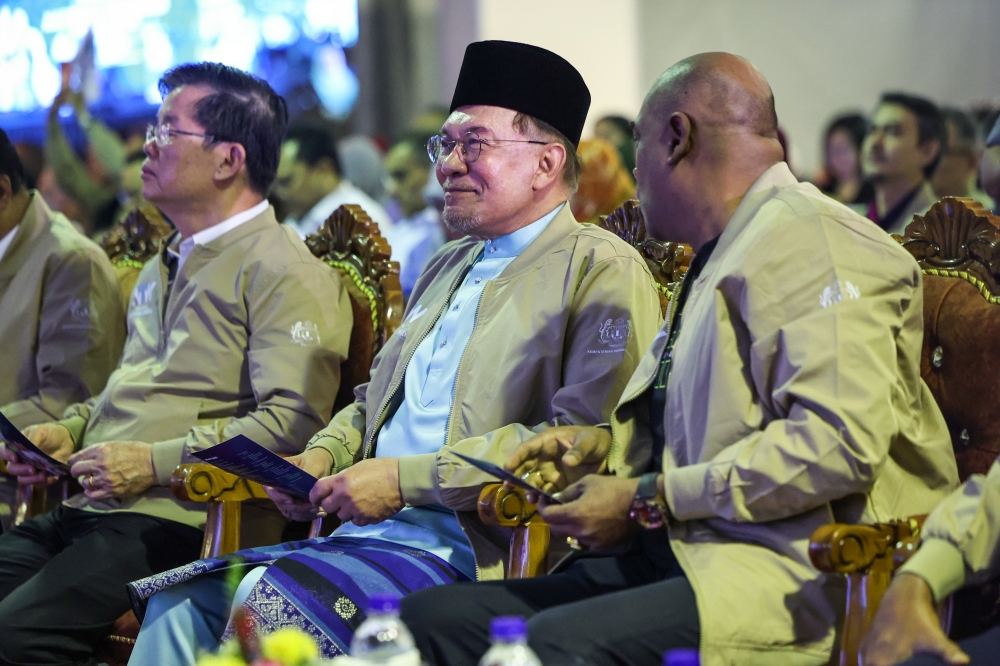
Prime Minister Datuk Seri Anwar Ibrahim has signalled that Malaysia's Cabinet is preparing to authorise the public release of the Royal Commission of Inquiry report into Tabung Haji, the Islamic pilgrimage fund, while emphasising that no person—regardless of their standing or former position—operates beyond legal reach. Speaking in Seberang Perai, Anwar underscored a foundational principle of his administration: that the rule of law applies with equal force to all citizens, a stance that carries particular weight given Malaysia's history of selective enforcement against political opponents and immunity granted to the powerful.
The expected Cabinet approval to disclose the RCI findings represents a critical juncture in Malaysia's ongoing reckoning with institutional governance. Tabung Haji, which manages savings for Malaysian pilgrims undertaking the hajj, has long been shadowed by allegations of mismanagement, questionable investments, and opacity in financial dealings. The establishment of the Royal Commission reflected public pressure and political acknowledgement that the fund's operations warranted rigorous independent scrutiny. The decision to potentially release the report signals a shift—however tentative—toward greater transparency in state-linked institutions that have historically operated with minimal public oversight.
Anwar's emphasis on universal legal accountability resonates within a Malaysian context still processing the consequences of two decades of institutional capture. His government inherited institutions weakened by selective prosecution, where political allies enjoyed de facto protection while opponents faced investigation and conviction. The promise that no individual stands above the law amounts to a deliberate repudiation of that pattern, though the credibility of such assertions depends entirely on whether persons of high standing—including former leaders and officials—face genuine consequences if the RCI report implicates them. Public cynicism about double standards remains widespread, and many Malaysians will scrutinise not merely the report's release but the subsequent investigative and prosecutorial response.
The Tabung Haji inquiry itself emerged from a broader wave of public concern regarding state-owned entities and sovereign wealth funds. Reports of substantial losses, questionable property acquisitions, and governance lapses at the fund prompted calls for accountability. A Royal Commission of Inquiry, while not the most powerful investigative tool available, offered an independent examination of institutional practices. The commission's findings, once released, will likely detail years of financial mismanagement, identify responsible officials and decision-makers, and recommend reforms to prevent recurrence. Whether those recommendations translate into meaningful structural change—or administrative reorganisation that merely reshuffles personnel—remains to be seen.
Cabinet approval of the report's release is itself not guaranteed automatically. Government ministers might harbour reservations about publishing findings that implicate politically connected individuals, particularly if those figures retain influence within ruling coalitions or retain residual capacity to destabilise administrations. The fact that Anwar has already signalled expectation of Cabinet endorsement suggests either that the report's contents present manageable political challenges or that his administration views the integrity of the disclosure process as non-negotiable. Either interpretation carries implications: the first suggests implicated figures lack sufficient political leverage to suppress findings; the second indicates Anwar's political calculations favour transparency over discretionary protection.
For Malaysian investors, civil society, and religious organisations overseeing hajj arrangements, the report's release offers essential information about institutional stewardship of pilgrim savings. Tabung Haji manages billions in accumulated contributions from ordinary Malaysians saving throughout their lifetimes for the pilgrimage. That capital should merit vigilant oversight; instead, many Malaysians discovered their accumulated savings had been exposed to risky investments and poor management decisions made without adequate disclosure or shareholder consultation. Transparency about what occurred, who authorised questionable decisions, and what safeguards are being implemented becomes foundational to rebuilding institutional credibility.
The announcement also reflects broader Southeast Asian patterns regarding institutional reform and political transition. Across the region, new administrations succeeding authoritarian or corrupt predecessors face difficult choices about retrospective accountability. Publishing inquiry reports into institutional malfeasance represents a moderate approach—neither prosecuting individuals nor sweeping misconduct entirely aside, but creating a public record that constrains future denial and establishes baseline facts against which accountability can later be assessed. Malaysia's approach may influence similar questions in neighbouring jurisdictions managing their own institutional legacies.
Anwar's framing warrants scrutiny regarding implementation gaps. The distinction between releasing a report and enforcing its recommendations remains substantial. Malaysia possesses extensive experience with commissions and inquiries whose findings gather dust unimplemented, their recommendations ignored by ministries citing budgetary constraints or bureaucratic inertia. For the Tabung Haji RCI to represent meaningful reform rather than mere accountability theatre, Cabinet approval of the report must be followed by concrete action: legislative amendments if needed, administrative reform, and proportionate consequences for individuals found to have engaged in misconduct.
The international dimension also merits consideration. Malaysia's reputation as a place where institutional corruption is investigated and publicised—rather than concealed—enhances its standing with international investors and development partners. Conversely, releasing a damning report and then failing to implement recommendations signals institutional weakness and suggests that political considerations continue overriding governance principles. For a country aspiring to maintain investor confidence and regional standing, thoroughness in both investigation and remedy serves long-term national interest.
Moving forward, the actual contents of the RCI report will shape Malaysian political discourse and institutional reform debates. If findings implicate only mid-level officials while senior figures escape scrutiny, questions about the inquiry's independence will persist. If the report proves comprehensive and its recommendations are systematically implemented, it could establish precedent for how future institutional inquiries should be handled. Anwar's assertion that no one operates above the law will ultimately be judged not by rhetoric but by actions taken—or conspicuously avoided—once the Tabung Haji findings enter public discourse.

