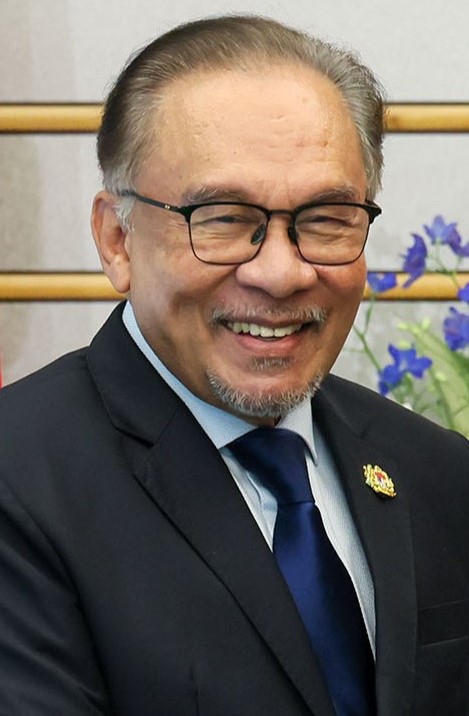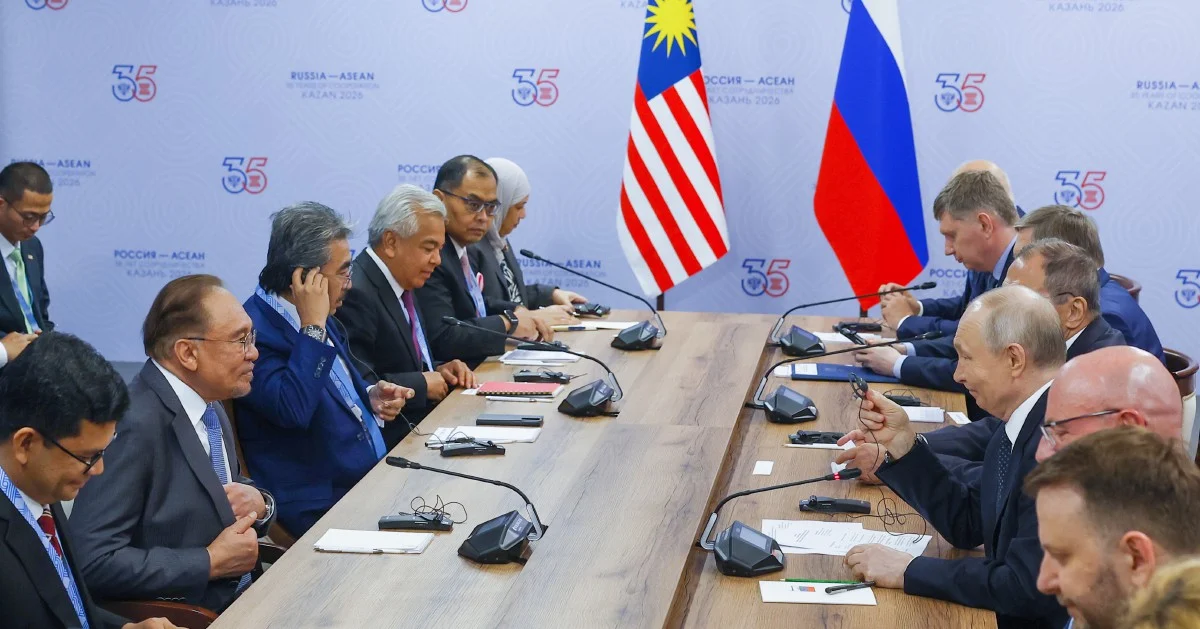
Prime Minister Datuk Seri Anwar Ibrahim seized the opportunity during diplomatic engagements in Kazan to formally acknowledge Russian President Vladimir Putin's commitment to deepening energy sector collaboration involving Malaysia's national oil and gas company, Petroliam Nasional Bhd, known as Petronas. The gesture reflects a broadening strategic partnership between Kuala Lumpur and Moscow at a time when both nations are reassessing their international alignments and economic dependencies.
The acknowledgment from Malaysia's leading policymaker underscores the growing importance of energy security in Southeast Asia's geopolitical calculations. As regional economies grapple with volatile oil markets and shifting supply chains following global disruptions, establishing reliable partnerships with diverse energy suppliers has become a cornerstone of national planning. Russia, despite international sanctions limiting its traditional markets, remains a significant player in global energy markets, and its interest in maintaining trading relationships with Asian partners carries weight in Moscow's broader diplomatic strategy.
Petronas, as Malaysia's national champion in the petroleum sector, stands as the primary vehicle through which the country pursues energy partnerships internationally. The company operates across exploration, production, and liquefied natural gas activities, making it instrumental in Malaysia's economic fortunes and energy independence goals. When high-level officials such as the Prime Minister publicly acknowledge foreign support for Petronas-led initiatives, it signals government backing and legitimacy for specific corporate ventures or investments. This kind of diplomatic reinforcement can facilitate smoother negotiations and expedite approvals for joint ventures or expanded operational scope.
The timing of these remarks in Kazan suggests they emerged from formal bilateral discussions or multilateral forums being held in the Russian city. Kazan, located in the Volga region, frequently hosts international economic forums and diplomatic gatherings where leaders from non-aligned and developing nations converge to explore mutual interests outside Western-dominated platforms. Malaysia's participation in such forums reflects its consistent approach of maintaining equidistant diplomatic relations and avoiding exclusive bloc alignment—a traditional pillar of Malaysian foreign policy dating back to the Cold War era.
Energy cooperation between nations typically encompasses multiple dimensions. These can include joint exploration ventures in new petroleum fields, technology transfer arrangements, workforce training programs, and infrastructure development. For Malaysia, which remains a significant oil and gas exporter despite gradual diversification efforts, international partnerships help access advanced extraction technologies and international capital markets. For Russia, such arrangements help offset the impact of Western sanctions by maintaining revenue streams and demonstrating continued relevance in Asian markets despite geopolitical tensions.
The energy sector carries particular significance for Malaysia's long-term development trajectory. Revenue from oil and gas exports has traditionally subsidised social spending and development programmes, though regional economic diversification remains a government priority. Strengthening Petronas' international position through high-level diplomatic backing can enhance the company's competitiveness in bidding for international projects and negotiating terms with foreign partners. It also sends market signals that Malaysia remains committed to its hydrocarbon sector despite global energy transition discussions.
From a Southeast Asian perspective, Malaysia's cultivation of energy partnerships with Russia represents one approach to managing regional energy security amid changing global dynamics. Neighbouring countries like Indonesia and Thailand have similarly pursued diverse energy relationships while simultaneously investing in renewable energy infrastructure. However, each nation navigates these partnerships against its own domestic priorities and international relationships. Malaysia's approach reflects a calculation that energy diversification benefits from maintaining multiple supplier relationships rather than over-reliance on any single source.
The diplomatic courtesy extended by Anwar Ibrahim also carries domestic political implications. Petronas generates substantial government revenue and employs thousands of Malaysian workers, making the company politically significant within the domestic context. Public acknowledgment of successful international partnerships burnishes the government's economic management credentials and demonstrates tangible returns from diplomatic engagement. This is particularly relevant for a prime minister seeking to consolidate political support and demonstrate governance effectiveness in an economically challenging global environment.
Looking forward, enhanced Malaysia-Russia energy cooperation could extend beyond traditional hydrocarbon trading into emerging sectors such as hydrogen production, where both nations possess resources and technical capabilities. Russia's experience in large-scale energy infrastructure development and Malaysia's downstream capabilities could create complementary advantages. Such expanded cooperation would require sustained diplomatic engagement and clear commercial frameworks that benefit both parties despite the challenging international environment.
The exchange between Anwar and Putin exemplifies how energy remains central to international relations, even as the global energy landscape undergoes substantial transformation. While renewable energy transitions accelerate in developed economies, petroleum products retain importance in developing nations and industrial processes worldwide. For Malaysia specifically, balancing energy security with longer-term sustainability goals while maintaining beneficial international partnerships represents an ongoing strategic challenge.