Prime Minister Datuk Seri Anwar Ibrahim will take to the campaign trail in Negeri Sembilan this Wednesday, lending his support to Pakatan Harapan's push in the state's upcoming election. According to Datuk Seri Aminuddin Harun, the chairman of PH Negeri Sembilan, the Prime Minister has committed to appearing at multiple campaign rallies in the constituencies of Sikamat and Paroi, where he will join senior party figures and grassroots organisers.
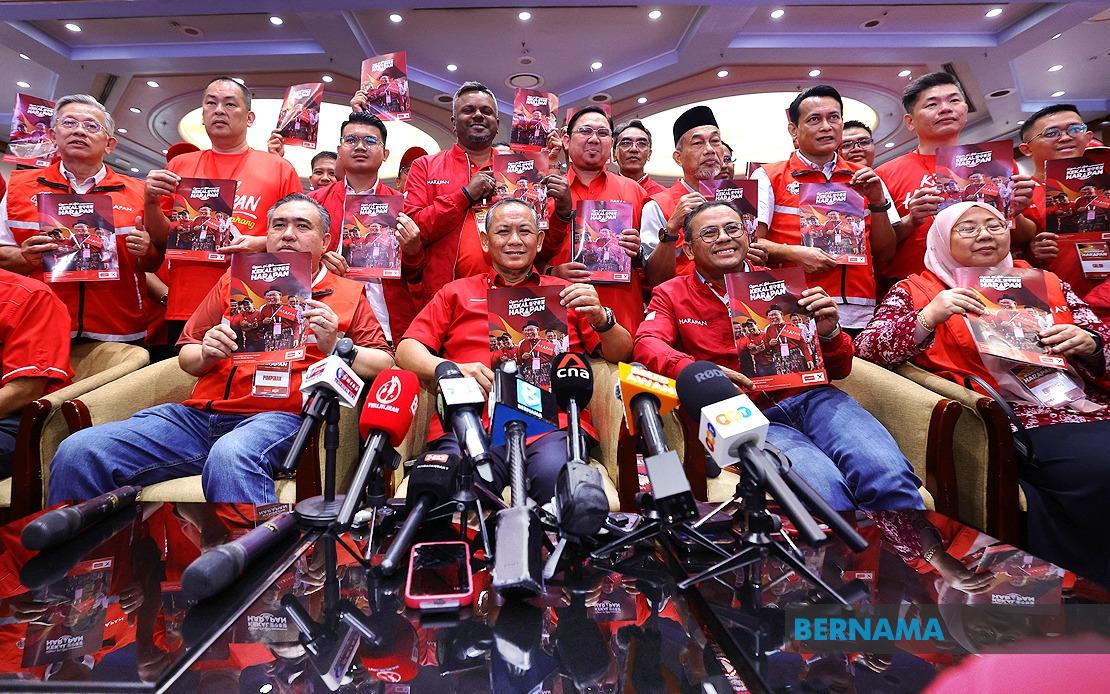
The scheduling announcement came during the launch of the coalition's state manifesto in Seremban on Sunday, where Aminuddin clarified that Anwar's absence from the evening event did not signify any lack of commitment to the campaign. Rather, the decision reflected logistical planning aimed at maximising the Prime Minister's impact during the critical final week before voting. Aminuddin, who is himself contesting the Linggi seat, assured supporters that Anwar's participation later in the week would provide a significant momentum boost.
The manifesto presented to voters on Sunday reflects Pakatan Harapan's broader policy framework across multiple domains. The coalition's strategic platform emphasises governmental continuity and administrative effectiveness as foundational elements for state development. Beyond institutional stability, the document commits to enhancing living standards through targeted social programmes and economic measures designed to strengthen household resilience and purchasing power across different income segments.
Economic competitiveness stands as a central pillar, with PH proposing initiatives to attract investment and modernise the state's productive sectors. The manifesto dedicates substantial emphasis to education, positioning it as essential infrastructure for human capital development and long-term prosperity. Housing availability and affordability feature prominently, acknowledging the consistent concern among Malaysian voters regarding property accessibility in both urban and emerging areas.
The platform also addresses demographic-specific priorities, with dedicated commitments to youth employment pathways and entrepreneurship support. Women's advancement and family welfare programmes reflect recognition of gender considerations in state policymaking, while tourism development aims to leverage Negeri Sembilan's cultural and natural assets. Agricultural modernisation receives explicit attention, signalling PH's understanding that rural constituencies represent a meaningful voting bloc.
Preservation of customary heritage and indigenous practices demonstrates the coalition's sensitivity to community identity and cultural continuity—particularly relevant given Negeri Sembilan's distinct adat traditions. Infrastructure investment, described as strategic, suggests targeted spending on connectivity and essential services rather than dispersed development. The emphasis on social cohesion and interethnic harmony reflects broader Malaysian political realities where diverse communities require reassurance about inclusive governance.
The launch event drew participation from significant coalition figures across its component parties. Datuk Seri Amirudin Shari, the Selangor Menteri Besar and PH's appointed election director, attended alongside Anthony Loke, DAP's secretary-general and candidate for Chennah. PKR's secretary-general Datuk Dr Fuziah Salleh and Amanah's vice-president Datuk Dr Mohd Hatta Md Ramli also lent their presence, underscoring the multi-party coordination within the coalition structure.
The concentration of national and state-level leadership at the manifesto launch signals PH's serious intent in Negeri Sembilan, where retaining government control remains strategically important for maintaining Pakatan Harapan's broader electoral strength. The presence of the election director alongside regional power-brokers indicates that Negeri Sembilan is viewed as a significant battleground rather than a peripheral state contest.
Voting logistics for the 16th Negeri Sembilan state election show early polling scheduled for July 28, providing voters with limited mobility or scheduling constraints an alternative to the main polling date. General voting occurs on August 1, meaning the campaign enters its final stretch as Anwar prepares his Wednesday appearances. The compressed timeframe between now and election day makes high-profile campaign interventions particularly consequential, as they receive concentrated media coverage and set narrative momentum heading into the final voting days.
For Malaysian political observers, the Negeri Sembilan contest carries implications beyond the state itself. How Pakatan Harapan performs in this peninsular state reflects the coalition's standing among crucial voter demographics—rural communities, traditional Malay-Muslim constituencies, and emerging urban voters. The outcome will provide early indicators about the viability of PH's national political project and whether its manifesto commitments resonate across diverse geographical and demographic contexts.
Anwar's campaign involvement demonstrates his continued focus on direct voter engagement despite his prime ministerial responsibilities. His participation in multiple events signals confidence in the coalition's position while providing local candidates with association with the nation's top political figure. Such engagements typically generate significant local media coverage and social media engagement, extending campaign reach beyond physical rally attendees.
The window between now and August 1 remains critical for both Pakatan Harapan and opposition forces competing in Negeri Sembilan. Campaign intensity typically accelerates in election's final weeks as parties deploy their strongest assets and concentrate messaging efforts. The coalition's commitment to having Anwar present reflects understanding that prime ministerial visibility can influence voter sentiment, particularly among floating voters who make decisions in the campaign's closing stages.

