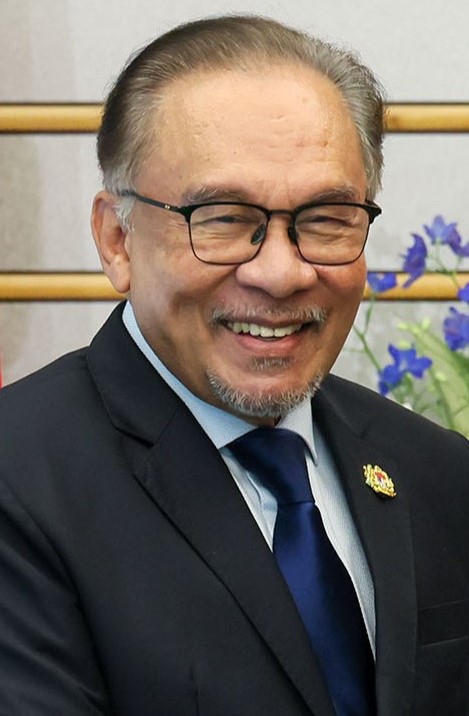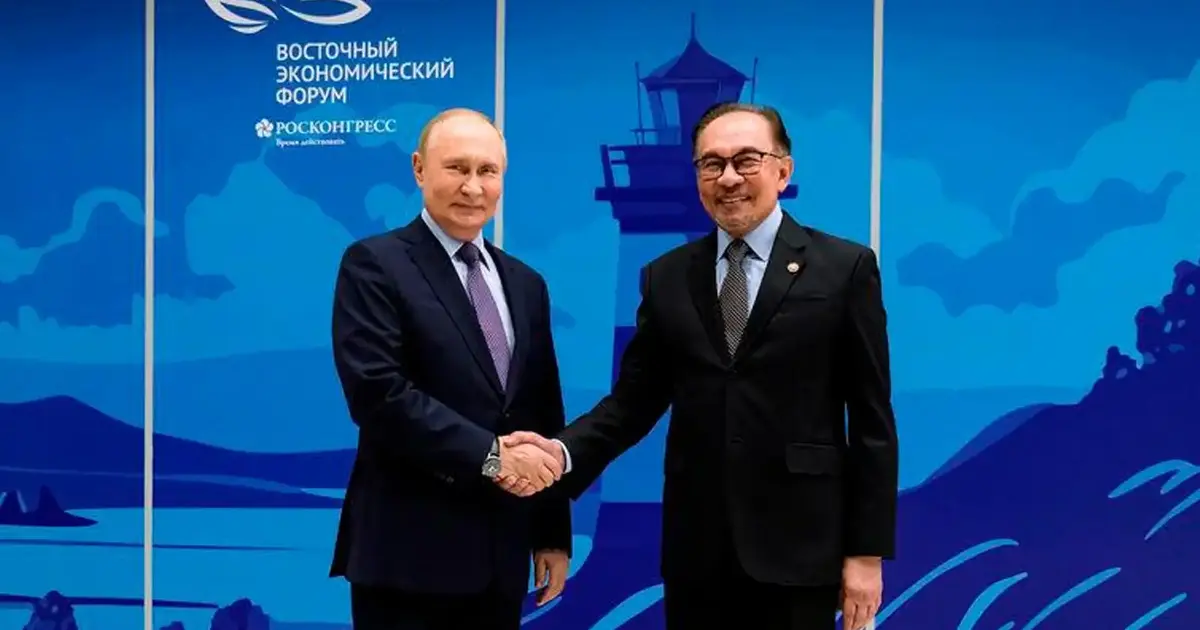
Prime Minister Anwar Ibrahim is set to embark on a working visit to Russia beginning tomorrow, with plans to hold substantive discussions with Russian President Vladimir Putin centring on Malaysia's energy security requirements. The bilateral meeting will form part of a broader engagement framework, as the premier will also participate in wider talks involving other Asean leaders and Russian counterparts, signalling the region's intent to strengthen ties with Moscow amid shifting geopolitical dynamics.
Malaysia's energy portfolio has increasingly relied on diversified fuel sources to meet growing domestic demand while managing price volatility in global markets. The proposed dialogue with Russian leadership represents an opportunity for the Malaysian government to explore potential partnerships in crude oil and liquefied natural gas supplies, sectors where Russia maintains significant global reserves and export capabilities. For a net energy importer like Malaysia, securing stable and competitively priced fuel sources remains a critical economic priority.
The timing of this visit holds particular significance given the evolving trade and diplomatic landscape in Southeast Asia. Asean nations have historically maintained strategic balance in their international engagements, and the collective representation of regional leaders meeting Russian officials underscores the bloc's determination to preserve constructive relationships across multiple powers. This positioning allows countries like Malaysia to leverage multilateral platforms for advancing national interests without appearing to shift allegiances in an increasingly polarised global environment.
Russia's energy sector, despite facing international sanctions in recent years, continues to produce substantial oil and gas output that remains crucial for global supply chains. Malaysian policymakers view engagement with Moscow as essential to understanding market dynamics and securing long-term supply contracts that could insulate the nation from sudden price spikes or supply disruptions. The conversations will likely extend beyond immediate commercial arrangements to encompass technical cooperation and investment frameworks.
Asean's collective approach to energy security has become more sophisticated, with member states recognising that individual negotiations with major suppliers carry less leverage than coordinated regional positioning. By facilitating talks between multiple Asean delegations and Russian leadership simultaneously, the bloc demonstrates institutional coherence and amplifies its voice in discussions affecting regional prosperity. Malaysia's role in these discussions reflects its economic weight within the association and its particular vulnerability to energy price fluctuations.
The geopolitical context surrounding this visit cannot be overlooked. Western nations have implemented various restrictions on Russian energy imports, creating both challenges and opportunities for Asian buyers. Countries in Southeast Asia can potentially negotiate improved terms given reduced competition for Russian exports to their markets. However, such arrangements must be calibrated carefully to avoid international complications, particularly regarding sanctions compliance and broader foreign policy considerations that affect Malaysia's standing with Western trading partners.
Domestically, fuel prices and energy security constitute politically sensitive topics in Malaysia. Public discourse around government efforts to secure stable energy supplies influences electoral considerations and economic confidence. Anwar's direct engagement with Putin demonstrates his administration's proactive approach to addressing cost-of-living pressures, a key concern for Malaysian households and industries. Successfully negotiating favourable energy terms would translate into tangible benefits for consumers and manufacturing sectors reliant on predictable fuel costs.
The broader Asean-Russia relationship encompasses more than energy commerce. Regional security concerns, particularly regarding maritime stability in contested waters, trade liberalisation frameworks, and cultural exchanges all feature in modern diplomatic calculations. Russia's presence in the Asian region, while traditionally focused on North Asia, has expanded as Moscow seeks to diversify partnerships and maintain relevance in strategic areas. Asean's engagement with Russia provides a mechanism for understanding Russian strategic intentions and ensuring regional voices are heard in Moscow's policy deliberations.
Malaysia's particular energy challenges stem from growing electricity demand driven by industrial expansion and increasing household consumption. While the nation possesses natural gas reserves, particularly in Sabah and Sarawak, maximising domestic production faces geological and infrastructural constraints. International procurement arrangements therefore form an essential component of the national energy strategy. Discussions with Russia could yield agreements spanning conventional energy, technical expertise in extraction and refining, and potentially renewable energy cooperation as countries worldwide transition energy portfolios.
The visit also reflects Malaysia's pragmatic foreign policy tradition of maintaining relationships across the ideological and geopolitical spectrum. Unlike some regional counterparts who have aligned more exclusively with particular great powers, Malaysia has consistently positioned itself as a non-aligned nation capable of engaging all major players. This approach enables the country to extract maximum benefit from global competition for regional favour while preserving flexibility in responding to unforeseen developments.
For Malaysian business interests, enhanced diplomatic ties with Russia could unlock commercial opportunities beyond energy sectors. Financial institutions, construction companies, and service providers may benefit from expanded bilateral relationships and improved market access. Russian investment in Malaysian projects, particularly in renewable energy and infrastructure, represents another dimension of these engagement efforts worth exploring through high-level governmental channels.
The working visit demonstrates continuity in Malaysia's energy diplomacy while signalling to regional observers that the Anwar administration prioritises practical economic interests over ideological considerations. In a region where energy demands continue climbing and geopolitical competition intensifies, maintaining diverse supply relationships and constructive dialogue with all major producers constitutes prudent statecraft. Success in these negotiations could strengthen Malaysia's negotiating position in future regional and global energy arrangements.