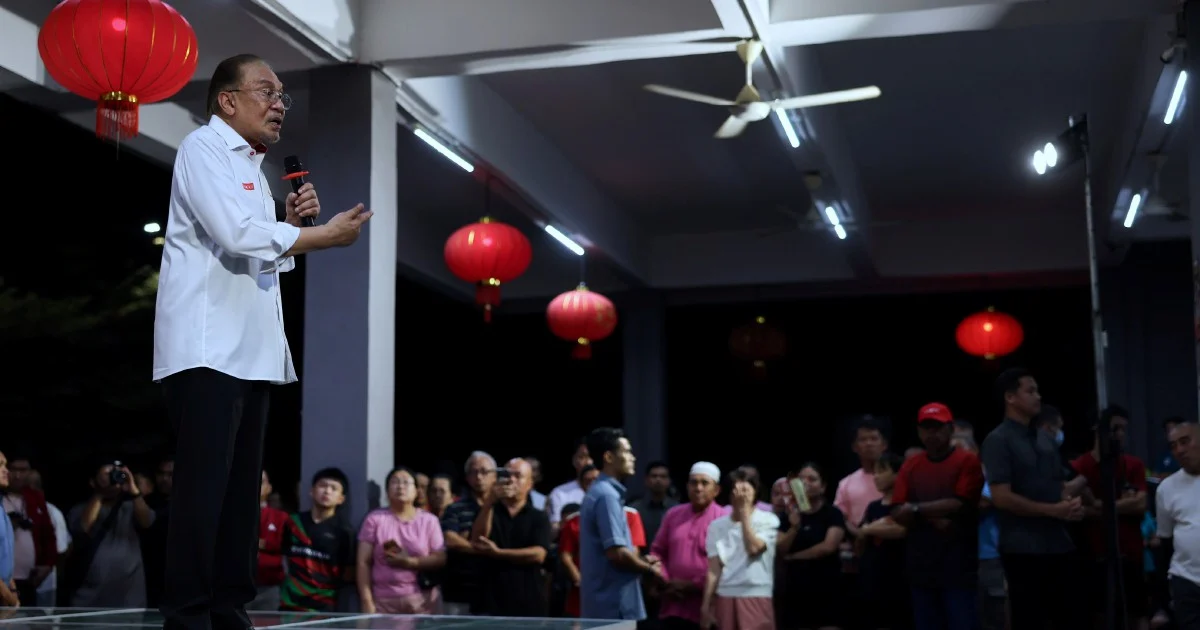
Prime Minister Datuk Seri Anwar Ibrahim has committed to placing the crisis of depressed Malaysian durian prices on the agenda during talks with Chinese Premier Li Qiang when he travels to China next month, signalling the government's determination to address mounting agricultural pressures that have squeezed growers' profit margins.
The move reflects growing concern within Malaysia's farming communities over a significant oversupply situation that has driven prices downward across the country. By elevating the matter to bilateral discussions at the highest levels, Anwar is acknowledging that solving the durian glut requires diplomatic engagement and potentially improved market access arrangements with one of Malaysia's largest trading partners and the world's largest consumer of the premium tropical fruit.
China represents the most substantial market for Malaysian durians, importing hundreds of thousands of tonnes annually and accounting for the lion's share of national exports. The relationship between supply volumes and pricing power in this market directly influences the fortunes of thousands of smallholder farmers and commercial estates across Peninsular Malaysia and Sabah. When Chinese demand softens or domestic production surges, Malaysian growers find themselves trapped between rising input costs and falling revenues.
The current glut appears to stem from a confluence of factors. Favourable growing conditions across major producing regions have resulted in bumper harvests, simultaneously increasing supply at a time when export demand has not kept pace. Regional competition from Thailand, Vietnam, and Indonesia has also intensified, fragmenting market share and depressing prices regionally. For Malaysian growers, many of whom borrowed heavily to invest in orchard expansion or maintenance, this price collapse threatens financial viability.
Anwar's willingness to engage China's leadership on this issue underscores how agricultural challenges at the farm level can assume significant diplomatic importance. Malaysia's durian sector employs tens of thousands directly, supports rural livelihoods, and generates substantial foreign exchange. Trade disruptions or market access problems reverberate through rural communities and contribute to socioeconomic disparities that the government has prioritised addressing.
Enhancing bilateral arrangements with China could take multiple forms. These might include negotiating preferential tariff treatment, streamlining quarantine and certification procedures that sometimes delay shipments, or exploring mechanisms to coordinate harvest timing with Chinese market demand patterns. Such arrangements would provide Malaysian exporters competitive advantages over rivals and help absorb excess supply by opening channels for larger volumes.
The timing of Anwar's Beijing visit also carries strategic significance. Malaysia-China relations span decades of economic cooperation, and high-level agricultural discussions fit within the broader context of deepening bilateral ties. For China, reliable access to premium durians serves both consumer demand and geopolitical relationship-building objectives. For Malaysia, demonstrating commitment to resolving supply-side challenges appeals to Beijing's preference for stable, mutually beneficial trade partnerships.
Beyond immediate price relief, addressing the durian crisis requires longer-term structural solutions. These include encouraging productivity improvements and quality upgrading to command premium pricing, supporting grower cooperatives to enhance bargaining power, and potentially offering targeted financial assistance during demand shortfalls. However, such measures remain domestic policy tools; expanding market access through diplomatic channels addresses the external dimension of the problem.
Regionally, Malaysia's durian sector competes within an increasingly integrated Southeast Asian market. Thailand has invested heavily in mechanisation, branding, and marketing, positioning itself as a durian superpower. Vietnam has rapidly scaled up production. Indonesia possesses vast potential acreage. In this competitive landscape, Malaysia must leverage its geographical advantages, established export infrastructure, and premium reputation whilst also securing supportive trade policies from major consumer nations.
For Malaysian consumers and retailers, the falling farm-gate prices may eventually translate into lower retail prices, potentially boosting domestic consumption. However, growers themselves bear the burden of the glut, absorbing the difference between production costs and market prices. Government intervention, whether through export promotion or direct support, aims to cushion this impact.
Anwar's commitment to raise durian pricing with Premier Li Qiang signals that agricultural trade challenges occupy space within Malaysia's diplomatic portfolio. This approach treats the farming sector not as peripheral to national interests but as integral to economic security and rural prosperity. How receptive China proves to be, and what concrete measures emerge from such discussions, will largely determine whether Malaysian growers experience meaningful relief or continue navigating a persistently difficult market environment.

