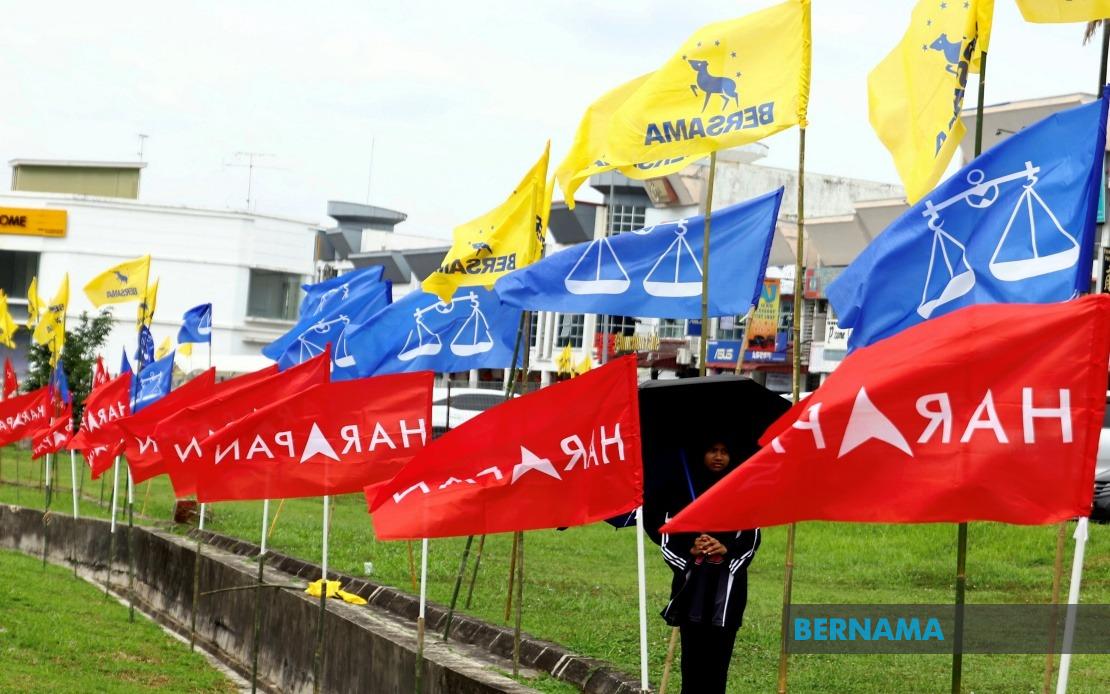
Prime Minister Datuk Seri Anwar Ibrahim has launched a final appeal to voters in Johor as the state gears up for its 16th election this Saturday, casting the ballot as a pivotal moment for the peninsula's southernmost state. Speaking in his capacity as Pakatan Harapan chairman, Anwar emphasised that the coalition stands ready to dedicate itself to advancing Johor's welfare and prosperity should the electorate grant them the mandate. His intervention, made public through social media in the closing days of campaigning, signals the coalition's determination to make significant inroads in a state where electoral fortunes have shifted considerably over recent years.
The appeal underscores a broader strategy by Pakatan Harapan to position itself as a committed alternative capable of delivering tangible development to Johor's residents. Anwar's messaging focused on the coalition's track record and future commitments, framing the election as an opportunity for voters to choose a government genuinely invested in protecting the state's interests and ensuring that economic progress translates into improved living standards for all citizens. This narrative attempts to address voter concerns about governance quality and economic management that have shaped recent Malaysian electoral patterns.
Beyond the straightforward political appeal, Anwar also encouraged Johor-born voters who have relocated elsewhere to return home and participate in the democratic process. This call carries particular significance in a state that has experienced substantial internal migration, with many residents working in Klang Valley or Singapore. By framing voting as a responsibility tied to heritage and shared prosperity, the prime minister sought to mobilise what could constitute a decisive portion of the electorate. The emphasis on diaspora participation reflects recognition that peripheral participation rates can determine electoral outcomes in closely contested state races.
In a culturally resonant move, Anwar deployed traditional Malay poetry to reinforce his message, employing a pantun stanza that praised Johor's culinary heritage while simultaneously encouraging citizens to return home with hope for the state's advancement. The verse, which celebrates Laksa Johor and ancestral legacy, attempted to bridge the gap between sentimental attachment to home and pragmatic political decision-making. Such cultural messaging, carefully calibrated for its audience, demonstrates an understanding of how emotional connections to place can influence political behaviour among Malaysian voters, particularly those from Johor who maintain strong ties to their home state regardless of current residence.
The 16th Johor state election represents a significant contest in Malaysia's evolving political landscape, with 172 candidates competing across 56 state constituencies. This scale of competition underscores the state's importance within the broader Malaysian federation and the intensity of effort various coalitions are investing in securing victory. Johor, as Malaysia's second-most populous state by area and a crucial economic hub with deep historical significance, carries weight beyond its demographic representation in parliament. Control of the state government influences not merely local development priorities but also regional economic strategy and infrastructure investment.
The timing of Anwar's appeal, delivered merely days before voting commenced, reflects the compressed campaign schedule typical of Malaysian state elections. With the window for direct voter engagement rapidly closing, the coalition prioritised high-visibility messages that could reach the broadest audience. The use of digital platforms, particularly social media, allowed instantaneous distribution of messaging to both domestic audiences and diaspora communities monitoring Malaysian political developments from abroad. This approach represents modernised campaigning adapted to contemporary communication patterns and voter information-seeking behaviour.
Pakatan Harapan's push in Johor comes amid broader competition for political dominance across Malaysia's states. The coalition's performance in this election carries implications extending well beyond Johor itself, potentially signalling momentum or stagnation heading into future national-level contests. Electoral outcomes at the state level frequently serve as bellwethers for voters' broader confidence in political leadership and governance trajectories. Success in Johor could strengthen Pakatan Harapan's narrative as a viable governing force capable of expanding its footprint, while disappointment might raise questions about the coalition's capacity to consolidate support in diverse constituencies.
The substance of Anwar's appeal centred on a commitment to defend Johor's interests and ensure that development benefits accrue comprehensively across the population rather than concentrating among narrow segments. This messaging addresses historical concerns about whether state governments prioritise inclusive growth or allow economic opportunities to concentrate geographically or demographically. For Johor residents, particularly those in less developed districts or rural areas, such assurances carry weight if backed by credible implementation records and transparent governance structures.
From a Southeast Asian perspective, Johor's election merits attention given the state's role as a crucial economic bridge between Malaysia and Singapore. The state government's policies regarding trade, infrastructure, and cross-border cooperation influence regional economic dynamics. Pakatan Harapan's emphasis on advancing Johor's progress implicitly encompasses these transnational dimensions, though campaign messaging typically emphasises domestic concerns over international dimensions to avoid accusations of inadequately prioritising local interests.
The election also reflects Malaysia's maturing democratic processes, where prime ministers actively campaign for coalition partners and engage directly with voters across state boundaries. This represents a departure from earlier eras when state elections were treated as distinctly local affairs. Anwar's personal involvement signals that national leadership views state-level electoral outcomes as integral to national political stability and coalition strength. Such integration of state and national electoral cycles, while advancing democratic engagement, also concentrates political messaging power around national figures and narratives.
Looking ahead, the results would illuminate voter sentiment regarding Pakatan Harapan's governance approach and whether the coalition can broaden appeal beyond its traditional support bases. Johor, as a demographically and politically diverse state, provides a representative testing ground for assessing the coalition's capacity to construct winning electoral coalitions across different communities and constituencies. The outcome would likely inform strategic adjustments for future campaigns and indicate whether Anwar's direct appeals to voters translate into tangible electoral support.

