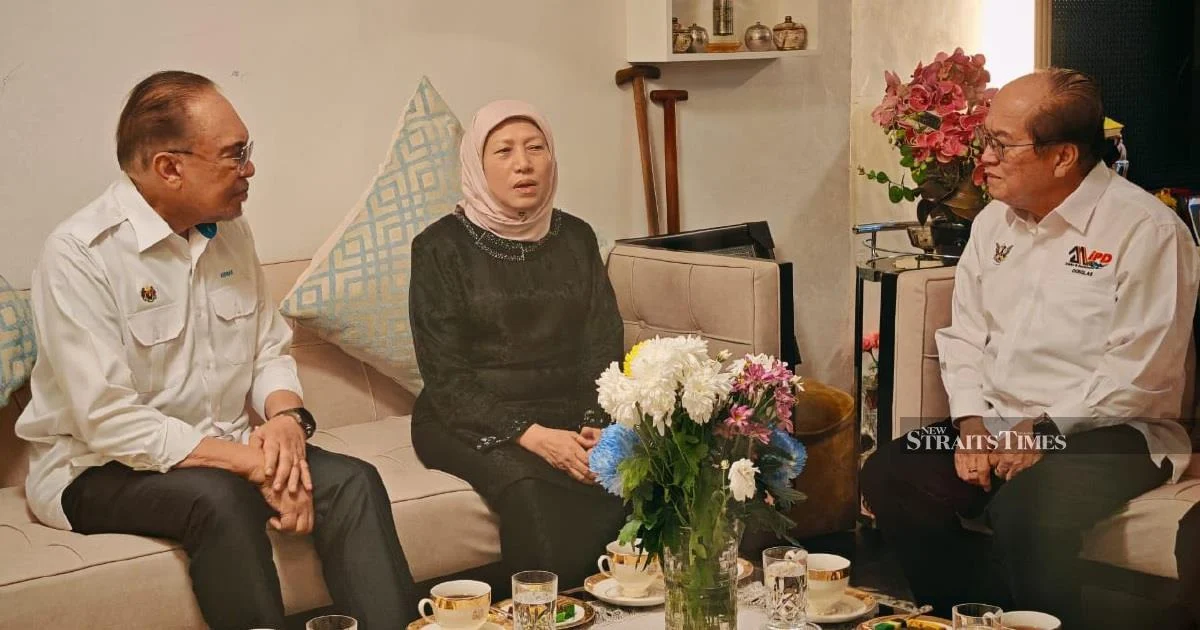
Prime Minister Datuk Seri Anwar Ibrahim made a condolence visit to Women, Family and Community Development Minister Datuk Seri Nancy Shukri in Kuching, acknowledging the loss of her husband, Datuk Kamil Misuari. The visit underscores the practice of senior government officials extending personal sympathy during moments of family bereavement, reinforcing institutional protocols that bind the cabinet and leadership circles together during times of personal grief.
Nancy Shukri, who has held the Women, Family and Community Development portfolio, represents Sarawak in the federal cabinet and maintains considerable influence within the state's political structure. Her tenure in this ministerial role places her at the forefront of gender-related policymaking and social welfare initiatives across Malaysia. The timing of Anwar's visit demonstrates the solidarity expected among the government's top echelon when members face personal tragedy, particularly when cabinet ministers are directly affected.
The gesture carries significance beyond mere formality. By personally travelling to Kuching, the Prime Minister signalled the importance placed on maintaining cohesion within his administration during sensitive moments. Such high-level condolence visits often provide an opportunity for political leaders to reaffirm bonds and demonstrate that personal crises do not diminish institutional relationships or ministerial standing within government.
Nancy Shukri's portfolio encompasses critical areas of national policy, including women's rights, family services, and community development programmes. The loss of a spouse represents a profound personal challenge that any minister must navigate while maintaining their professional responsibilities. The Prime Minister's visit acknowledged this dual burden and offered the support of the federal leadership during what would naturally be an emotionally demanding period.
In the Malaysian political context, such condolence visits serve multiple functions. They provide comfort to grieving family members, demonstrate the government's human face, and reinforce the bonds of solidarity among senior officials regardless of political differences or factional alignments. The practice reflects Malaysia's cultural values emphasising communal support and respect for those experiencing loss, principles that transcend party politics and administrative hierarchy.
The visit to Kuching also reflects Anwar's engagement with Sarawak's political landscape and his administration's effort to maintain strong relationships with senior figures from East Malaysia. Sarawak's representation in federal cabinet positions remains strategically important for coalition building and regional governance. Nancy Shukri's ministerial status makes her a significant player in both federal decision-making and state-level political dynamics.
Ministerial bereavement often raises questions about portfolio management and succession planning within government. During such periods, deputy ministers or other cabinet colleagues typically assume additional responsibilities to ensure continuity of critical services. The Women, Family and Community Development Ministry oversees numerous programmes affecting Malaysian families, from childcare initiatives to domestic violence prevention, making smooth operational continuity essential during transitions.
From a Southeast Asian perspective, these moments of personal loss among political leaders offer glimpses into the softer aspects of governance that often remain obscured by policy debates and parliamentary procedures. The visit demonstrates that despite the intense pressures of high office, Malaysian political culture retains elements of personal care and recognition of individual circumstances.
The incident also highlights the demanding nature of ministerial roles in Malaysia, where personal and professional obligations can intersect in challenging ways. Nancy Shukri's position requires her to manage national policy responsibilities while grieving a personal loss—a reality shared by many public servants who must balance professional duties with family circumstances. The Prime Minister's acknowledgement of this situation provides both practical support through government resources and emotional recognition from the highest levels of leadership.
Moving forward, attention will likely focus on how Nancy Shukri manages her ministerial duties during her bereavement and whether any adjustments to her portfolio or workload occur in the coming weeks. The Women, Family and Community Development Ministry remains actively engaged in various national initiatives, and ensuring these programmes continue without disruption will be important for constituents and stakeholders relying on these services.
The condolence visit represents a moment of pause within Malaysia's bustling political machinery, reminding observers that beneath the formal structures of government lie human stories of loss and grief. Such moments, while private in nature, carry public significance as they demonstrate the values and relationships that sustain institutional functioning during challenging times.

