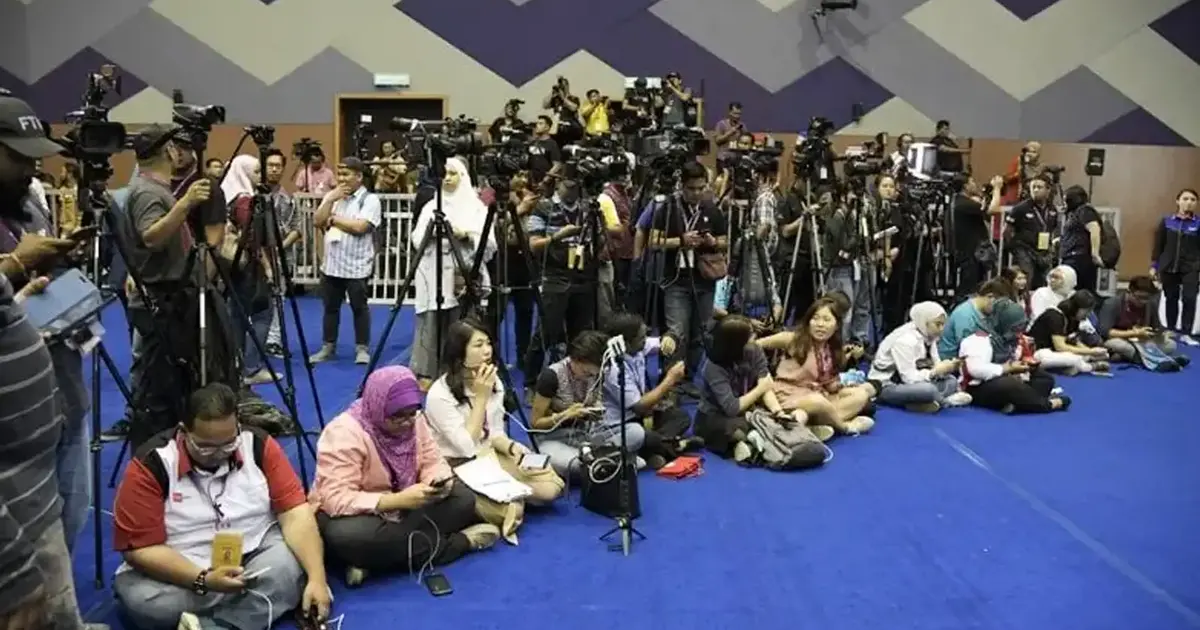
Prime Minister Anwar Ibrahim has established a structured complaints mechanism designed to ensure that allegations against media practitioners receive fair examination through independent institutional channels rather than through direct government intervention. Under this framework, any complaints lodged against journalists must first be routed to the Malaysian Media Council, with investigations and enforcement actions only proceeding once the council has reviewed and processed the matter.
The initiative represents an attempt to position the government as a defender of accountability while simultaneously insulating the Prime Minister's Office from direct involvement in disputes with the press. By channelling complaints through an ostensibly neutral arbitrating body, the administration argues it is creating distance between political leadership and the editorial independence of news organizations. This procedural layer aims to address concerns about government overreach in media regulation whilst maintaining a formal mechanism for addressing alleged journalistic misconduct.
The Malaysian Media Council, established as the industry's self-regulatory body, now serves as the primary gatekeeper for complaints emanating from political figures and other complainants. This placement of the council at the front end of the complaint process elevates its institutional importance in Malaysian media governance. The council is tasked with preliminary assessment, factual determination, and recommendations before any state-backed investigation or enforcement action proceeds. The shift represents a significant responsibility for an organization that must balance industry interests against broader public accountability concerns.
Such mechanisms exist in various forms across democratic societies, though their effectiveness depends heavily on public perception and actual operational independence. In neighbouring countries, similar self-regulatory bodies have faced criticism both for being too lenient on member organizations and, conversely, for being overly deferential to government pressure. The Malaysian version will need to demonstrate genuine impartiality to command credibility from both the media industry and the broader public sphere. Any perception that the council functions as a tool for suppressing critical journalism would undermine its legitimacy and provoke accusations of regulatory capture.
For Malaysian media organizations, this framework creates both protection and potential vulnerability. The requirement that complaints pass through council review before escalation to formal enforcement provides a buffer against arbitrary state action, potentially reducing instances of direct political pressure on newsrooms. However, the very existence of a formal complaints pathway, combined with the threat of subsequent enforcement action, may create a chilling effect on editorial decision-making. Journalists and editors may become cautious about pursuing stories that could trigger formal complaints, particularly if they fear the council's review process lacks robustness or transparency.
The implications for Southeast Asian press freedom discourse are notable given the region's generally troubled record on media independence. Malaysia's approach differs from more authoritarian neighbouring states that employ direct censorship, licensing restrictions, or sedition laws to constrain journalism. Yet it also occupies a middle ground between pure press freedom and state control—creating institutional mechanisms that appear neutral while potentially limiting critical coverage through procedural channels. Regional observers and international press freedom organizations will likely scrutinize whether this mechanism genuinely protects journalistic independence or functions as a sophisticated constraint on editorial freedom.
Anwar's proposal also reflects broader global trends toward self-regulatory models in media governance, particularly as governments worldwide face pressure to appear less interventionist in press matters. Such frameworks appeal to administrations seeking to maintain influence over journalistic standards without appearing to suppress free expression. The Malaysian Media Council model, if properly implemented with transparent procedures, clear evidentiary standards, and published decision-making rationales, could potentially serve as a template for balancing accountability with editorial independence. Conversely, if the council becomes perceived as a mechanism for punishing inconvenient journalism or protecting political interests, it would represent a retreat from press freedom principles.
The practical operation of this mechanism will depend significantly on how the Malaysian Media Council interprets its mandate and exercises judgment in reviewing complaints. Questions remain about what constitutes valid grounds for complaints, what evidentiary standards apply, what timeline the council operates under, and whether its decisions are subject to appeal or judicial review. Without clear procedural guidelines and transparent decision-making, the system risks becoming another avenue for delaying, harassing, or intimidating journalists rather than a genuine mechanism for addressing legitimate misconduct.
For Malaysian newsrooms already operating under various legislative constraints including the Communications and Multimedia Act and the Printing Presses and Publications Act, this addition to the regulatory landscape represents yet another layer requiring navigation. Senior editorial teams will need to reassess risk calculations when deciding to publish investigations or critical reporting. Stories deemed likely to provoke complaints may face heightened internal scrutiny, potentially affecting the scope and aggressiveness of journalism. Some outlets may adjust editorial positioning accordingly, a pattern documented in various press freedom studies across comparable institutional contexts.
International organisations focused on press freedom, including Reporters Without Borders and the Committee to Protect Journalists, will likely monitor how Malaysia implements this mechanism. The international perception of Malaysian press freedom has already faced criticism in global indices, and this new framework could either improve or worsen that standing depending on its actual functioning. If the Malaysian Media Council demonstrates independence and applies consistent, fair standards, it could earn qualified recognition as a legitimate accountability mechanism. If it appears beholden to political interests, it will further damage Malaysia's international standing on media governance.
The announcement also signals the government's willingness to engage with structural questions about media regulation and accountability. Rather than relying solely on existing legislative tools, Anwar's administration is attempting to establish new frameworks that appear more contemporary and attuned to principles of institutional mediation. Whether this reflects genuine commitment to press freedom principles or represents a more sophisticated strategy for managing media relations remains an open question that Malaysian civil society, international observers, and the journalism community will continue evaluating as the mechanism becomes operational.

