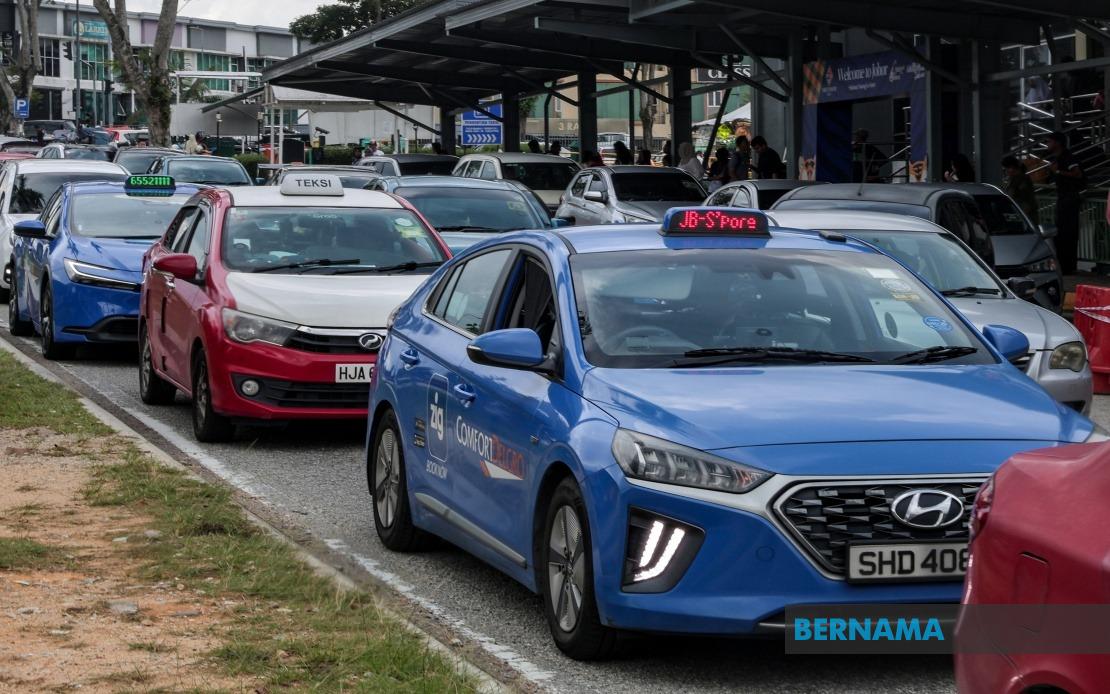
Malaysia's Land Public Transport Agency (APAD) has announced a significant flexibility within the National MADANI Taxi Renewal Programme (Teksi MADANI), allowing taxi drivers to license or replace their vehicles with models other than the Proton S70 sedan. The clarification addresses concerns from drivers who faced barriers in transitioning to the government-backed scheme, either because they already own existing vehicles or have been unable to secure hire-purchase financing approval for the designated model.
This policy adjustment represents a pragmatic retreat from the Transport Ministry's initial stance announced on April 23, which had stipulated that new applications and replacements under Teksi MADANI would be limited exclusively to the Proton S70 taxi package. The revised approach acknowledges the reality of Malaysia's diverse taxi fleet and the varying financial circumstances of individual drivers across the country's urban and suburban markets. By permitting alternative vehicles, APAD aims to broaden participation in a programme designed to modernize the nation's taxi industry while addressing longstanding structural issues within the sector.
The Teksi MADANI programme, formally launched by Prime Minister Datuk Seri Anwar Ibrahim on July 3, represents a transformational shift in how Malaysia's taxi industry operates. For decades, the traditional leasing model has dominated, with drivers paying operators for the right to use vehicles without ever achieving ownership. This new initiative fundamentally changes that dynamic by enabling taxi drivers to become legal vehicle owners, a development that industry observers believe could improve driver welfare, incentivize vehicle maintenance, and enhance service quality. The Proton S70, selected as the primary model for the programme, reflects the government's strategy to support the domestic automotive industry while providing drivers with a modern, professionally-designed taxi featuring contemporary amenities.
The Proton S70 was specifically chosen for its alignment with the programme's vision. The vehicle eschews the traditional rooftop identification sign in favour of a more contemporary aesthetic and operates under a distinctive registration series beginning with the letters "GET", making these taxis immediately identifiable on Malaysia's roads. This branding exercise signals to the public that they are using a modern, regulated taxi service, potentially restoring confidence in the sector following years of service quality concerns and disputes between operators and drivers.
However, the allowance for alternative vehicles recognizes that not all drivers can easily transition to the Proton S70, particularly those already operating established vehicles and facing challenges in securing financing. This flexibility prevents the programme from becoming an unintended barrier to participation and acknowledges the economic realities facing taxi drivers in Malaysia, many of whom operate on thin profit margins. By permitting existing vehicles to continue operating until their specified age limits expire, APAD demonstrates a measured approach to industry transformation that does not abruptly disrupt livelihoods.
The financial commitment accompanying Teksi MADANI demonstrates the government's seriousness in implementing this transformation. Prime Minister Anwar Ibrahim announced an additional RM10 million allocation for the Old Vehicle Replacement Matching Grant Programme specifically benefiting taxi drivers, following the positive reception to an initial RM10 million provision included in Budget 2026. This injection of capital aims to ease the financial burden on drivers transitioning from older vehicles to the new system, whether they opt for the Proton S70 or alternative models. Such matching grants represent a significant investment in the taxi sector, reflecting government recognition that sustainable transformation requires financial support alongside policy changes.
For Malaysian readers and the broader Southeast Asian context, this development signals important implications for urban transportation policy in the region. Malaysia's approach—balancing a standardized modern vehicle with flexibility for individual circumstances—offers a model that other countries grappling with aging taxi fleets and driver welfare issues might consider. The shift from leasing to ownership addresses fundamental labour economics issues that affect not just Malaysia but transportation sectors across Asia, where informal arrangements often disadvantage workers lacking capital or credit access.
The programme also reflects deeper economic considerations. By supporting driver ownership and promoting the Proton S70, the government simultaneously pursues multiple policy objectives: improving taxi service standards, supporting domestic automotive manufacturing, enhancing driver welfare through asset ownership, and modernizing urban transport infrastructure. However, the allowance for non-Proton vehicles suggests policymakers have accepted that achieving these multiple objectives requires pragmatism rather than rigid mandates.
Implementation success will depend on how effectively APAD administers the two-track system of vehicles. Drivers choosing the Proton S70 will benefit from programme incentives, marketing support, and the modernized branding, while those using alternative vehicles must still meet regulatory standards and safety requirements. This differentiated approach risks creating a two-tier taxi system but may ultimately prove more inclusive and sustainable than a rigid mandate that excludes drivers unable to meet specific financing conditions.
For taxi drivers themselves, the flexibility offers genuine choice based on individual circumstances. Those with functioning vehicles or specific preferences can continue with alternatives, while drivers seeking comprehensive modernization support can transition to the government-backed Proton S70 ecosystem. This approach respects driver agency while maintaining the programme's transformational ambitions. The success of Teksi MADANI will ultimately be measured not just by how many S70s operate on Malaysian roads, but by whether the fundamental goal of improving driver ownership rates and service quality is achieved across the sector, regardless of vehicle brand.

