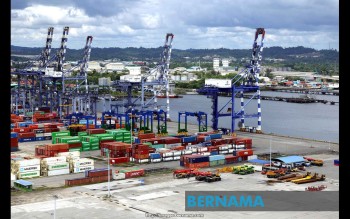
Malaysia's export outlook for 2026 has brightened considerably, with Apex Securities Bhd revising upward its growth forecast to 26.2 per cent from an initial projection of 16.3 per cent. The significant upgrade reflects the country's robust export performance during the initial seven months of this year, signalling momentum that the securities analyst expects to persist through 2026 and beyond.
This improved export trajectory aligns well with Apex Securities' separate forecast for Malaysia's overall economic expansion, which the firm pegs at 5.0 per cent for the current year. The conjunction of stronger export activity and solid GDP growth suggests the economy is benefiting from multiple supportive factors rather than relying on a single sector, a development that could provide stability as global conditions shift.
The electronics and electrical manufacturing sector stands as the primary engine driving Apex's optimistic assessment. The firm anticipates this industry will maintain its strong momentum throughout the second half of 2026, buoyed by structural demand trends that extend well beyond the near term. Specifically, the growth of artificial intelligence applications, the expanding electric vehicle supply chain, and related industrial segments are expected to sustain healthy order books across Malaysia's electronics ecosystem. These represent fundamental shifts in global manufacturing patterns rather than temporary cyclical boosts, positioning Malaysian firms to benefit from long-term industry restructuring.
Commodity exports, particularly crude oil and liquefied natural gas, represent another pillar of support for Malaysia's export performance. Apex points to elevated crude oil prices as a foundation, while potential trade route disruptions around the Strait of Hormuz could redirect additional volumes toward Malaysia's energy sector. Such geopolitical factors, while creating headline uncertainty, may inadvertently strengthen demand for Malaysian petroleum products and related energy commodities as global supply chains adapt to shipping constraints.
Palm oil and agricultural exports provide a third dimension to Malaysia's export outlook. Apex Securities notes that strengthened demand from Indonesia for B50 biodiesel should support steady palm oil consumption, particularly as the nation pursues its renewable energy targets. The potential intensification of El Niño weather patterns, bringing hotter and drier conditions between October and December, should contribute to firmer global palm oil pricing by restricting supplies from competing producers. Palm oil prices have already climbed 16.8 per cent to RM4,596 per metric tonne since the start of the year, suggesting underlying demand remains robust despite price increases.
However, Apex Securities acknowledges that this optimistic scenario faces material headwinds toward year-end. A significant portion of recent export strength reflects front-loaded demand as importers and producers have built stockpiles in anticipation of potential supply disruptions or trade frictions. As these stockpiling cycles unwind, export growth rates may decelerate noticeably. Additionally, Malaysia exported at elevated levels during the corresponding period last year, establishing a high comparative baseline that will make year-on-year growth comparisons more challenging in the final months.
Geopolitical risks present perhaps the most consequential external threat to Malaysia's export projections. A significant escalation of tensions in the Middle East could substantially dampen global demand for manufactured goods and industrial components, directly impacting Malaysia's electronics sector. Given the region's historical volatility and current complexities, this remains a scenario against which forecasters must hedge their outlooks.
United States trade policy represents another arena of critical uncertainty for Malaysia. The ongoing Section 301 investigation into excess manufacturing capacity in Asian economies, conducted under US trade law, continues to hover over Malaysian exporters. Should the Trump administration or its successor expand tariff schedules against Malaysian products or impose broader restrictions on goods from the region, the forecast trajectory could prove significantly optimistic. Malaysia's manufacturing base, heavily integrated into American supply chains, faces particular exposure to such policy shifts.
For Malaysian stakeholders, the revised export forecast carries important implications across multiple dimensions. Policymakers may feel emboldened to maintain current regulatory frameworks and investment incentives, assuming the export machine will continue functioning effectively. However, the concentration of upside scenarios in commodities and electronics—two sectors where Malaysia has limited control over global conditions—suggests vulnerability to external shocks. Diversifying export bases and building resilience into manufacturing networks should remain strategic priorities despite current optimism.
The upgrade also matters for currency markets and foreign exchange reserves. Stronger export growth typically translates into increased ringgit inflows, providing the central bank with greater flexibility to manage monetary policy and maintain external stability. Corporations with export exposure stand to benefit from improved cash generation, though they remain exposed to currency fluctuations and global price movements.
For regional observers, Malaysia's export resilience reflects broader Southeast Asian trends as manufacturers shift operations away from China and other high-cost jurisdictions. The nation's positioning in artificial intelligence supply chains and electric vehicle component manufacturing suggests it may capture disproportionate growth from these structural trends, benefiting from what some analysts term the "China Plus One" strategy among multinational corporations.
Despite the encouraging revision, Apex Securities' caveat regarding external risks warrants close monitoring. The forecast assumes a relatively benign geopolitical environment and stable US trade posture, both uncertain assumptions in the current global climate. Malaysian exporters and investors should treat the 26.2 per cent growth target as an optimistic scenario rather than a baseline, maintaining contingency plans should conditions deteriorate.

