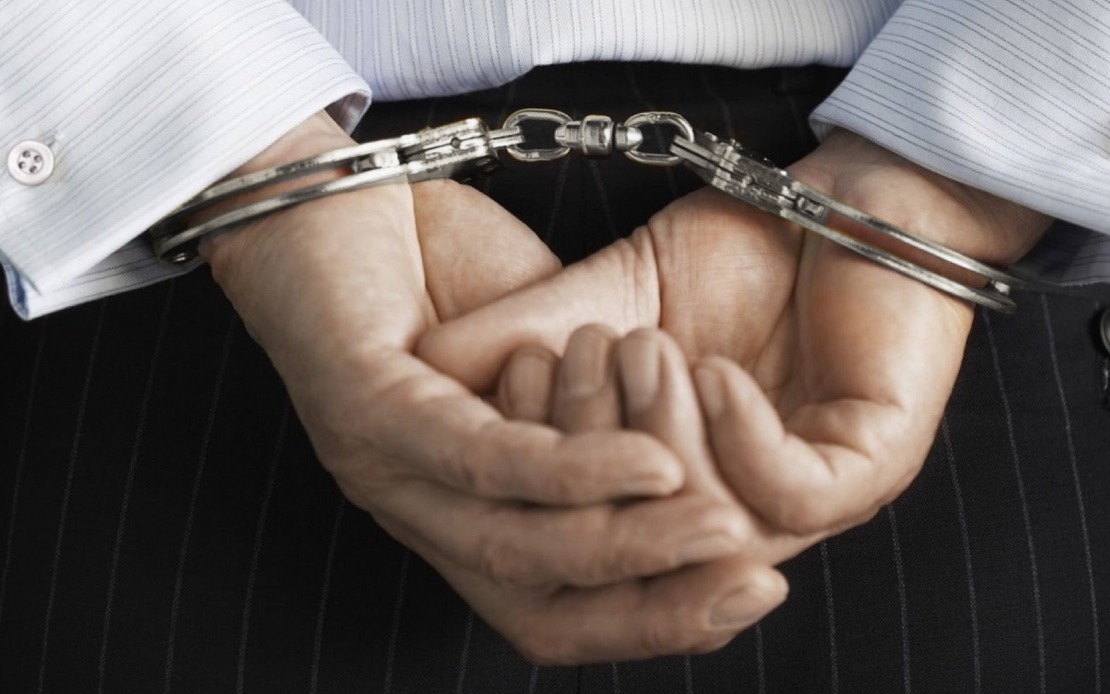
A man armed with weapons and surveillance equipment was apprehended at Trump National Golf Course in Rancho Palos Verdes on Sunday, days before the former president was scheduled to attend a Republican fundraising dinner at the location. The Los Angeles County Sheriff's Department revealed the arrest on Tuesday, describing the suspect's suspicious behaviour as he moved about the grounds taking photographs and video recordings whilst appearing to monitor security preparations at the facility.
Undercover officers intervened when the individual's activities raised alarms among security personnel. Upon his arrest, police discovered ammunition and a 16-round magazine on his person. The situation escalated when authorities conducted a search of the suspect's vehicle, which yielded a loaded handgun along with an additional loaded magazine, indicating he arrived at the golf course equipped with functional firearms.
The scope of the threat became clearer when law enforcement executed a search warrant at the man's residence. Investigators uncovered a cache of weapons and ammunition at his home, supplemented by body armour, radio signal reception devices, and multiple notebooks containing statements that authorities characterised as concerning. The combination of these materials suggested planning that went beyond coincidental presence at the location.
Trump's presence at the Rancho Palos Verdes facility was planned for Tuesday evening as part of a Republican fundraising event, making the timing of the arrest significant. The incident adds to a troubling pattern of security breaches and threats that have shadowed the former president throughout his return to political prominence.
The escalation in incidents targeting Trump has intensified scrutiny of his protective details. In April, gunfire erupted during a press dinner in Washington, forcing security personnel to extract Trump and his wife from the event and necessitating its cancellation. The February incident at his Mar-a-Lago estate in Florida proved fatal when authorities shot an armed individual on the property. These events underscore the volatile environment surrounding the former president's movements and public appearances.
During his 2024 campaign to reclaim the presidency, Trump experienced a direct attack at a campaign rally in Pennsylvania where shots were fired at the event, resulting in a minor injury to his ear. The incident galvanised national attention on political violence and security vulnerabilities. Later that same year, the Secret Service confronted another armed individual lurking in bushes near Trump's West Palm Beach golf course who was suspected of planning an attack on the facility.
For Southeast Asian observers and Malaysian readers, these security incidents carry broader implications for understanding American political dynamics during an election cycle. The frequency and sophistication of threats facing political figures reflects deeper polarisation in American society and raises questions about the adequacy of protective measures for prominent political personalities. The incidents also demonstrate how golf courses and private clubs frequented by high-profile individuals represent potential vulnerability points where security can be compromised.
The pattern of incidents suggests that standard protective protocols may require reassessment. Each discovery—from surveillance equipment to body armour and radio devices—indicates that individuals planning attacks invest in reconnaissance and preparation. The notebooks containing concerning statements discovered at the recent suspect's home demonstrate that verbal or written ideation often precedes concrete action, presenting both investigative opportunities and challenges for predictive threat assessment.
The timing of the Rancho Palos Verdes arrest, occurring just hours before Trump's scheduled appearance, highlights how law enforcement must operate under constant vigilance to prevent incidents. For Malaysian security professionals and readers interested in comparative policing, these cases illustrate the resource-intensive nature of protecting political figures in open, democratic societies where restrictions on movement must be balanced against the right to public engagement.
These security challenges also reflect how American political divisions have manifested in concerning ways. The motivations behind these incidents—whether ideological, personal grievance, or mental health crises—remain important questions for understanding contemporary American politics. The frequency of these events distinguishes the current environment from previous decades, suggesting a fundamental shift in the threat landscape surrounding American political figures that extends beyond traditional criminal typologies.

