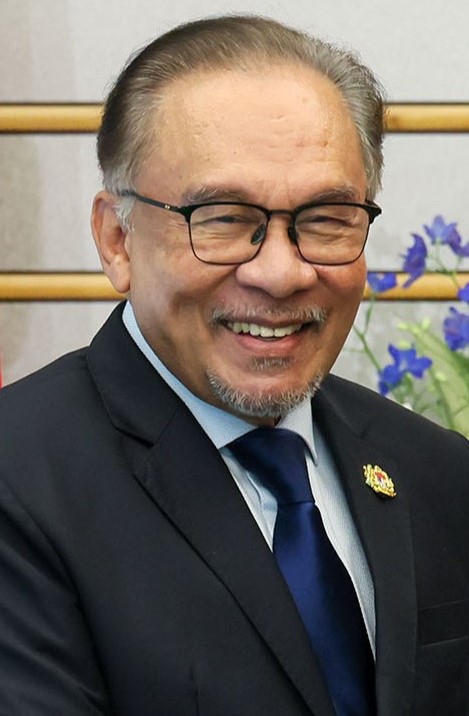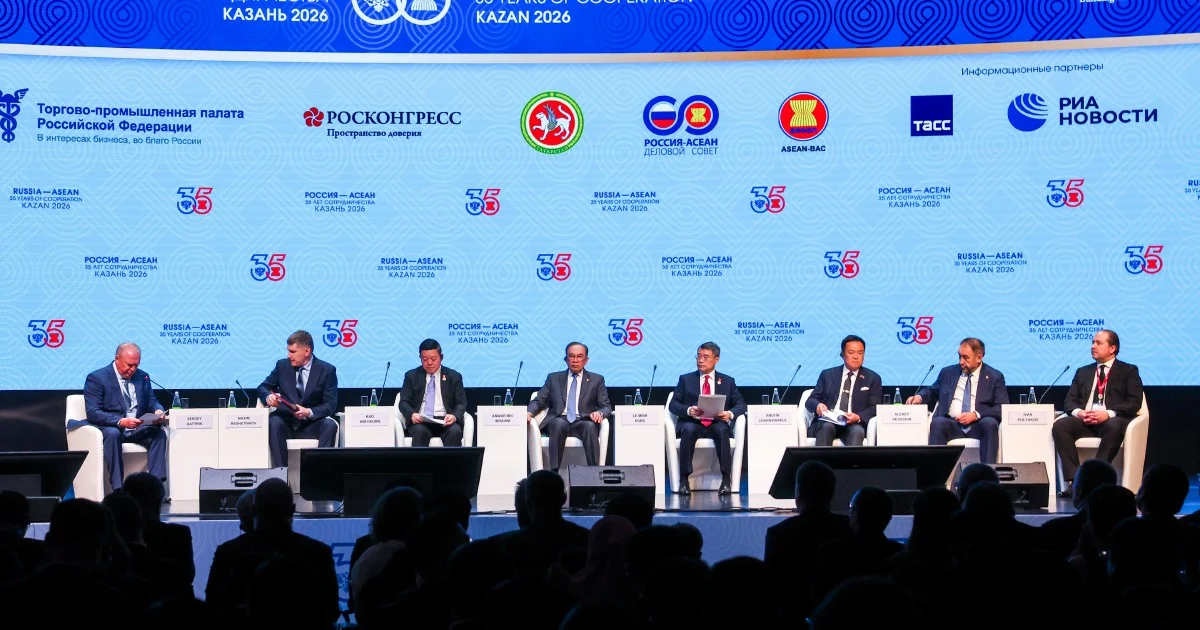
Prime Minister Datuk Seri Anwar Ibrahim has called for the Association of Southeast Asian Nations and Russia to significantly expand their multilateral cooperation framework, identifying food security and energy as priority areas where both regions share substantial common interests. Speaking in Kazan, the Malaysian leader emphasised that deepening engagement across these critical sectors would benefit all parties and contribute to greater regional stability in an increasingly uncertain geopolitical environment.
For a ten-nation bloc heavily dependent on food imports and vulnerable to supply chain disruptions, enhanced collaboration with Russia on agricultural production and food systems represents a strategic necessity. Southeast Asia, with its growing middle class and rising consumption patterns, faces persistent challenges in achieving self-sufficiency across all food categories. Russia, meanwhile, possesses significant agricultural capacity and technological expertise that could help bolster regional food security. Closer ties would enable knowledge transfer on sustainable farming practices, supply chain optimisation, and crisis management protocols that would serve both regions during potential disruptions.
The energy dimension of Asean-Russia cooperation carries equally significant weight for the region's economic trajectory and long-term development prospects. Several Southeast Asian nations remain energy-intensive as they pursue industrialisation and urbanisation, creating ongoing demand for diverse fuel sources and energy solutions. Russia commands substantial hydrocarbon reserves and advanced energy technologies that could complement Asean's own resources and renewable energy initiatives. A structured partnership framework could facilitate joint investment in energy infrastructure, technology transfer in liquefied natural gas processing, and coordinated approaches to energy market stability.
Beyond these foundational sectors, Anwar's broader appeal for cooperation across advanced manufacturing reflects recognition that Asean economies must progressively move up the value chain to compete effectively in global markets. Russian industrial expertise and technology could support the region's ambitions to develop higher-specification manufacturing capabilities. Such partnerships would help diversify Asean's manufacturing base beyond its traditional textile and electronics sectors, potentially attracting investment in more sophisticated industries that create higher-wage employment opportunities.
The digital technology dimension of proposed cooperation speaks to a shared recognition that technological advancement increasingly determines national competitiveness and citizen well-being. Russia maintains established expertise in software development, cybersecurity, and digital infrastructure that could benefit Asean economies still in relatively early stages of digital transformation. Conversely, Asean's booming digital consumer base and emerging fintech ecosystem present substantial opportunities for Russian technology companies seeking market access beyond traditional Western markets.
Educational cooperation represents a less visible but arguably foundational element of the proposed partnership framework. Asean nations seeking to develop human capital capable of managing advanced manufacturing systems, energy infrastructure, and digital technologies would benefit from access to Russian educational institutions and training programmes. Exchange programmes, joint research initiatives, and curriculum collaboration could enhance the quality of technical and vocational education across the region, creating workforces equipped for contemporary economic demands.
The timing of Anwar's appeal reflects broader strategic recalibrations within Southeast Asian foreign policy. Many regional governments have worked to maintain balanced relationships with major powers during a period of intensifying great power competition. By advocating practical cooperation with Russia on concrete sectoral issues, Asean leaders signal their commitment to engagement based on mutual benefit rather than ideological alignment or geopolitical bloc membership. This approach allows Southeast Asian nations to benefit from diverse international relationships without compromising their cherished principle of strategic autonomy.
Historically, Asean-Russia relations have remained limited compared to engagement with other major powers, suggesting substantial untapped potential for expansion. Enhanced cooperation would not displace existing relationships but rather complement them, providing Southeast Asian governments with additional options and partnership pathways. For Russian policymakers, deepened Asean ties offer opportunities to strengthen influence and market access within a dynamic region accounting for an expanding share of global economic activity.
Implementing the cooperation agenda Anwar outlined would require establishing institutional mechanisms and concrete working groups focused on each identified sector. Rather than remaining aspirational rhetoric, productive partnership demands clear frameworks, regular dialogue channels, and mechanisms for addressing implementation challenges. Both sides possess institutional capacity for such structures; success depends on prioritising follow-through alongside high-level political commitments.
For Malaysia specifically, enhanced Asean-Russia cooperation could create particularly valuable opportunities given the country's substantial energy consumption, significant food import dependence, and manufacturing ambitions. Malaysian companies could participate in joint ventures across multiple sectors, while Malaysian expertise in areas such as Islamic finance and halal certification could diversify the bilateral relationship beyond traditional manufacturing and resource sectors.
The broader geopolitical significance of expanded Asean-Russia cooperation extends beyond bilateral benefits. As the international order faces strain from competing frameworks and ideological divisions, practical regional cooperation centred on development challenges demonstrates an alternative model based on shared problem-solving. This approach has long defined successful Asean diplomacy and, extended thoughtfully to engage major powers, could contribute to a more stable regional architecture.