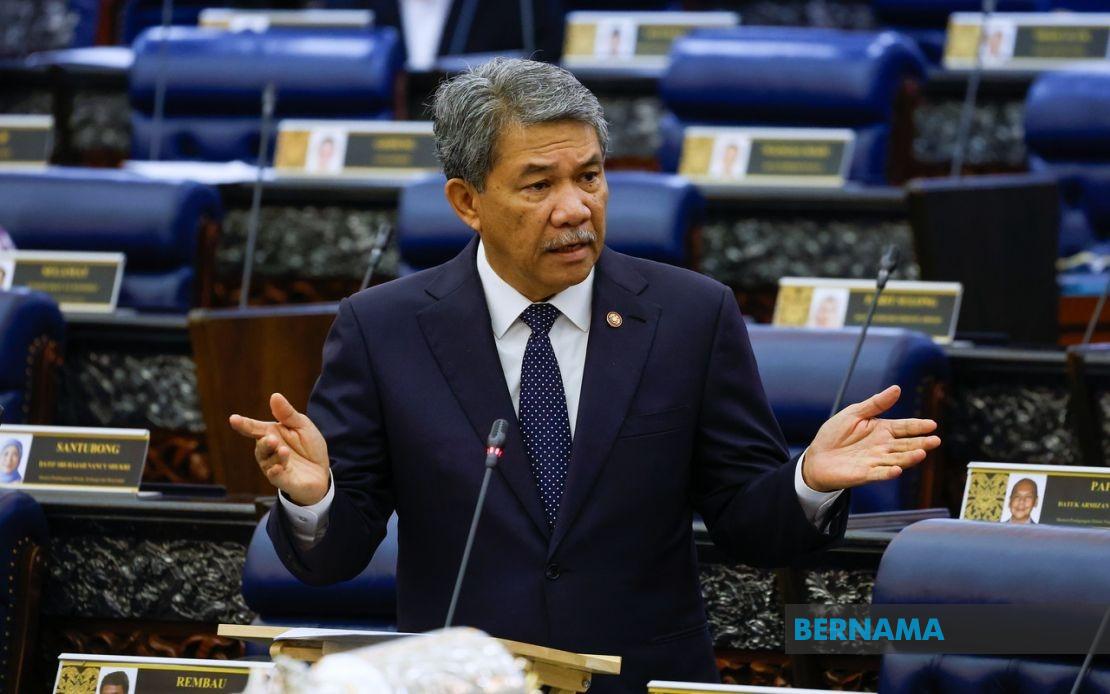
The regional bloc is moving beyond its existing Myanmar policy framework, with Malaysian Foreign Minister Datuk Seri Mohamad Hasan signalling that ASEAN member states intend to devise alternative methods for advancing the Five-Point Consensus as the centerpiece of conflict resolution efforts. While acknowledging modest improvements within Myanmar, Mohamad underscored that the nation remains substantially short of commitments made by ASEAN leadership under the framework that has guided diplomatic interventions since its adoption in 2021.
During parliamentary exchanges this week, Mohamad revealed that regional leaders gathered at the 48th ASEAN Summit in Cebu during May determined that foreign ministers should undertake direct consultations with Myanmar to evaluate the current situation and chart a pathway forward. This decision reflects growing recognition among ASEAN capitals that conventional diplomatic channels require recalibration if meaningful progress is to materialise. The shift acknowledges the stalled nature of previous initiatives while maintaining formal commitment to the consensus mechanism.
Crucially, Mohamad stipulated that any substantive modifications to the Five-Point Consensus framework would necessitate approval from ASEAN heads of state, preserving the bloc's collective decision-making authority. This safeguard suggests deliberations are ongoing regarding potential amendments, though formal changes remain contingent on consensus among all member states. The distinction between operational adjustments and structural reforms underscores the delicate balance ASEAN seeks to maintain between flexibility and institutional coherence.
Malaysia has specifically advocated extending Myanmar's six-month ceasefire, which was scheduled to conclude at the end of July, into an extended second phase intended to facilitate more expansive peace initiatives. This proposal addresses the practical concern that premature termination of armed restraint could undermine confidence-building and delay comprehensive negotiations. The extension concept acknowledges that sustainable peace demands protracted engagement rather than artificial timelines.
Beyond ceasefire management, Malaysia has insisted that Myanmar establish transparent benchmarks detailing how peace negotiations will advance, incorporating substantive participation from diverse stakeholder communities. This emphasis on inclusive dialogue recognises that durable settlements require accommodating grievances across Myanmar's fractured political landscape, encompassing government entities, opposition structures, military factions, and regional armed organisations. Without genuine inclusivity, any agreement risks fracturing under renewed internal pressures.
An underlying anxiety animating ASEAN's revised approach centres on preventing Myanmar's marginalisation from regional deliberations, which foreign observers contend creates openings for non-regional powers to assert influence. Mohamad explicitly cautioned against allowing institutional vacuums within Southeast Asia that external actors with competing strategic interests might exploit. This framing reflects longstanding ASEAN doctrine prioritising regional autonomy and resisting great power competition from destabilising member states.
The concern regarding external interference carries particular salience in Myanmar's context, where geopolitical competition among China, India, and Western democracies intersects with civil conflict dynamics. Should ASEAN's peace mechanisms falter, resulting instability could attract military, economic, or diplomatic interventions from these external stakeholders, each pursuing divergent objectives that may intensify rather than resolve internal tensions. ASEAN's regional ownership of the peace process thus emerges as strategically essential rather than merely procedurally convenient.
Malaysia has positioned itself as a bridge institution within this diplomatic architecture, pledging sustained engagement with the Myanmar government, the National Unity Government representing opposition forces, the People's Defence Force commanding junta military structures, and assorted ethnic armed organisations controlling territory. This multiplicity of Malaysian contacts reflects the intricate factional landscape within Myanmar where no single authority commands comprehensive legitimacy or control. Effective mediation demands maintaining relationships across all significant power centres simultaneously.
The articulation of revised approaches signals acknowledgment within ASEAN that the original Five-Point Consensus, while valuable as a foundational framework, has proven insufficient for generating tangible progress toward durable conflict resolution. Myanmar's government and various armed factions have demonstrated inconsistent commitment to the agreement's provisions, while the regional bloc has struggled to enforce compliance mechanisms. Rather than abandoning the framework entirely, ASEAN appears to be pursuing adaptive implementation strategies better calibrated to Myanmar's complex realities.
For Malaysia and other ASEAN members, the Myanmar challenge represents a defining test of the bloc's capacity to manage internal crises through consensus-based mechanisms that respect state sovereignty while advancing collective regional interests. Success requires balancing pressure for substantive change with respect for Myanmar's political agency, accommodating Myanmar's internal stakeholders while excluding destabilising external interference, and maintaining diplomatic engagement despite limited immediate returns. The renewed emphasis on foreign ministerial coordination and strategic flexibility reflects this multifaceted challenge.
Looking forward, ASEAN's exploration of alternative approaches will likely emphasise incremental progress on ceasefire consolidation, dialogue expansion, and confidence-building rather than pursuing comprehensive political settlements on compressed timelines. This recalibrated expectations reflect pragmatic recognition that Myanmar's internal divisions run deep and that premature pressure for ultimate solutions may paradoxically harden factional positions. The revised strategy essentially pivots toward process-oriented engagement designed to prevent conflict escalation while gradually expanding space for eventual comprehensive negotiations among Myanmar's internal stakeholders.

