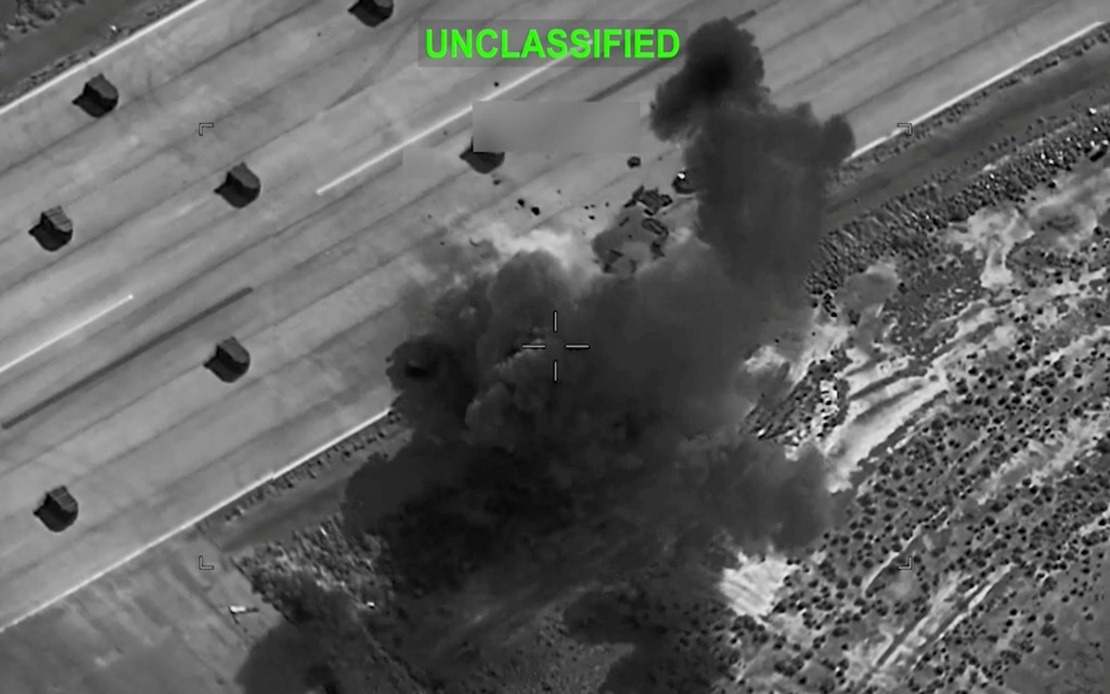
A significant escalation in hostilities has marked the breakdown of ceasefire arrangements between the United States and Iran, with Iranian authorities reporting substantial casualties from airstrikes conducted across multiple provinces. According to Hossein Kermanpour, spokesman for Iran's Health Ministry, the military operations targeting Iranian territory on July 8 and 9, 2026 resulted in at least 14 fatalities and 78 individuals sustaining injuries, with the spokesman's statement distributed through the social media platform X.
The scale of the incidences reveals the intensity of the strikes, which targeted five separate provinces within Iranian territory. Kermanpour's statement emphasises that these attacks occurred specifically while ceasefire arrangements were ostensibly in effect, suggesting a violation of agreed terms and a fundamental breakdown in diplomatic arrangements between the two nations. The targeting of multiple provinces simultaneously indicates a coordinated military operation rather than isolated incidents.
Medical infrastructure across Iran absorbed significant strain in the immediate aftermath of the attacks. Among the 78 individuals injured in the strikes, 47 remain hospitalised at the time of the Iranian Ministry's statement, while 31 others have been discharged following medical treatment. This distribution suggests varying degrees of injury severity across the casualty count, with nearly 60 percent of those wounded requiring continued hospitalisation and specialist care.
For Malaysia and other Southeast Asian nations, this escalation carries substantial geopolitical implications. The region maintains significant economic relationships with Iran through trade networks and energy partnerships, and any prolonged military conflict threatens to disrupt regional stability and economic flows. Malaysian interests in the Middle East, both commercial and diplomatic, face potential complications as tensions between major powers intensify in a strategically vital area.
The invocation of ceasefire violation represents a critical diplomatic failure, as both parties had nominally agreed to suspend hostilities. The timing and execution of these strikes during what Iran characterises as an active ceasefire period raises questions about the credibility of negotiated settlements and the commitment of the involved parties to peaceful resolution mechanisms. Such breaches of agreement create cascading repercussions for international efforts to broker conflict resolution in the region.
The Iranian Health Ministry's documented accounting of casualties and hospitalisations provides a baseline for assessing the humanitarian impact of the operations. The distinction between discharged and hospitalised patients offers insight into the medical demands imposed on Iranian healthcare systems, particularly in areas proximate to the targeted provinces. Sustained hospitalisations indicate ongoing complications and the necessity for extended medical intervention.
The strategic implications of targeting five provinces simultaneously suggest that the US operations aimed to inflict maximum territorial coverage and disrupt Iranian military or civilian infrastructure across a broad geographic area. Such an approach indicates not merely a surgical strike against specific military targets but rather a comprehensive demonstration of military capacity designed to convey strategic messaging.
For regional observers and international commentators, the incident underscores the fragility of ceasefire arrangements in the Middle East absent robust verification mechanisms and enforcement provisions. The breakdown of this particular ceasefire highlights recurring challenges in conflict de-escalation efforts, where verbal agreements prove insufficient without substantial international oversight and commitment from guarantor nations.
The humanitarian consequences documented by the Iranian Health Ministry extend beyond the numerical count of casualties. The psychological impact on civilian populations, the disruption of normalcy across affected provinces, and the strain on medical and emergency services represent broader dimensions of conflict that statistics alone cannot adequately capture. Recovery and reconstruction efforts will occupy Iranian authorities and affected communities for an extended period following the incidents.
As diplomatic channels potentially reopen in response to this escalation, Malaysia and other ASEAN nations will likely monitor developments carefully, particularly regarding implications for regional security architecture and energy security. The Middle East remains critical to global supply chains and energy markets, making even localised conflicts matters of international concern. Malaysian policymakers will assess whether this incident signals a prolonged deterioration or represents a discrete episode within broader negotiation processes.

