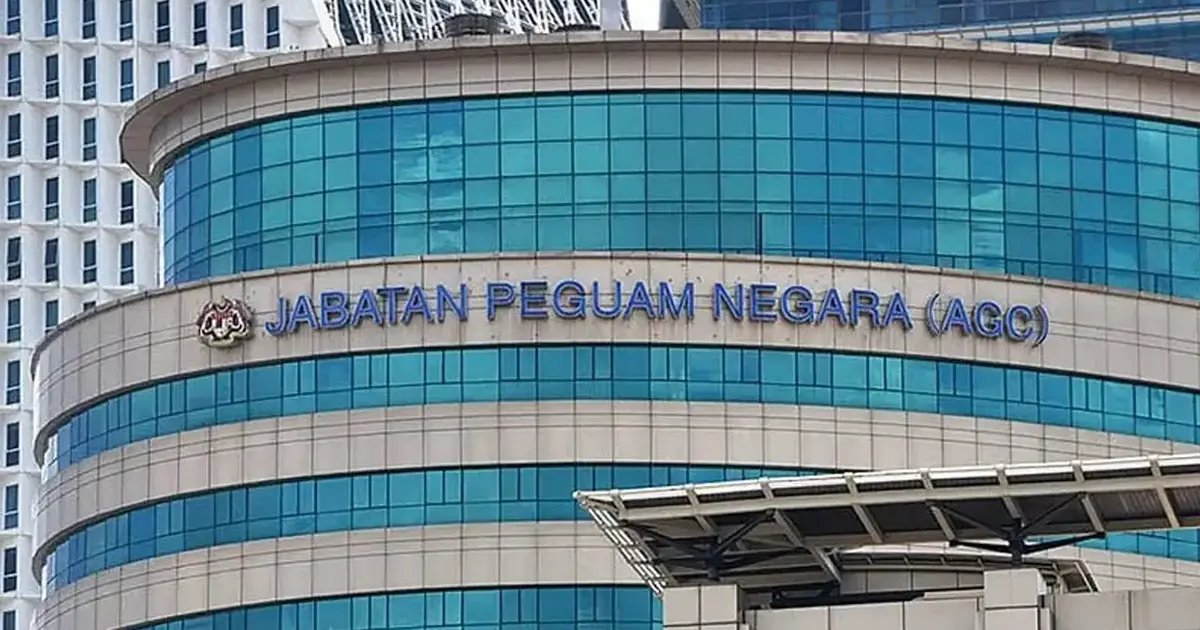
The Attorney General's Chambers (AGC) is still working through its evaluation of the Durian Tunggal investigation, roughly a month after police resubmitted the case file for the fourth time, according to statements from the Home Minister. The prolonged review period has drawn attention to the complexities and deliberative nature of Malaysia's prosecutorial decision-making process, where the AGC must carefully examine evidence and legal grounds before determining whether charges should be pursued.
The Durian Tunggal case has become a focal point for scrutiny regarding the pace of Malaysia's justice system. Multiple resubmissions of investigation papers suggest either that the initial submissions lacked sufficient legal foundation, or that the AGC has identified gaps that required police to gather additional evidence or provide further clarification on existing materials. Such iterations are not uncommon in high-profile or politically sensitive matters, where prosecutorial authorities must ensure absolute confidence in their legal position before proceeding to court.
The Home Minister's recent intervention, urging all stakeholders to respect the legal process and exercise patience, reflects the delicate balance that government officials must maintain when commenting on ongoing investigations. Such statements serve dual purposes: they signal that proper protocols are being followed, while simultaneously managing public expectations about timelines. In Malaysia's political landscape, where perception of selective prosecution has historically generated controversy, official assurances about procedural integrity carry particular weight.
The nature of the Durian Tunggal matter remains subject to significant public interest. The repeated submissions indicate that either investigating officers or the AGC itself may have identified technical or evidentiary issues requiring resolution before a charging decision can be made. This iterative approach, while administratively burdensome, theoretically strengthens whatever legal action ultimately results, as it allows for thorough vetting and eliminates obvious vulnerabilities that defence counsel might otherwise exploit in court.
For Malaysian readers following this case, understanding the AGC's role proves essential. The Attorney General's Chambers functions as the independent prosecutorial authority in Malaysia's legal system, holding discretion over whether investigations should proceed to criminal charges. This independence is constitutionally protected, theoretically insulating prosecutorial decisions from political pressure. However, the institution operates within a broader political environment that inevitably influences public perception of its decisions, particularly in contentious matters.
The one-month timeline since the fourth submission raises questions about typical AGC review periods. While no formal benchmarks are publicly established for how long such assessments should take, this duration suggests either considerable complexity in the case materials or that the AGC has received substantial new evidence requiring detailed analysis. Complex financial cases, those involving multiple actors, or matters with significant legal novel issues frequently demand extended deliberation to ensure prosecutorial confidence.
The regional context matters as well. Southeast Asian jurisdictions increasingly face criticism regarding investigation timelines and prosecutorial transparency. Malaysia's handling of high-profile cases shapes regional perceptions about the independence and efficiency of its legal institutions. Protracted review periods, when communicated transparently through official channels, can either reassure observers of proper procedure or fuel suspicions about delay tactics, depending on the political sensitivities involved.
The Home Minister's statement calling for respect of the legal process appears calibrated to address public impatience without providing specific timelines or substantive details about the investigation's status. This measured approach acknowledges legitimate public interest while respecting the AGC's need for operational independence. Such statements help manage the intersection between transparency and prosecutorial autonomy, both of which are essential for public confidence in Malaysia's justice system.
Moving forward, stakeholders will likely continue monitoring developments closely. If the AGC reaches a charging decision, the legal arguments and evidence presented will be scrutinised both in court and in the court of public opinion. Conversely, if the investigation is discontinued, officials will face pressure to explain why substantial investigative resources were expended without resulting prosecution. Either outcome will inform broader perceptions about Malaysia's handling of sensitive matters and the AGC's commitment to principled prosecutorial decision-making independent of political considerations.

